
Fiber Splice Cassettes Types Prices And Technical Specifications
Search optical fiber, connectivity, cable management and network infrastructure references.
-
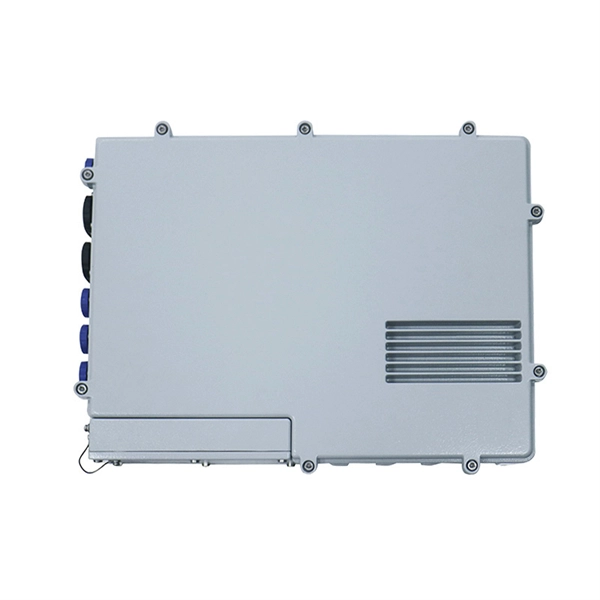
Fiber optic splice point loss standard
The industry standard ANSI/TIA/EIA-568-C. 3, “Optical Fiber Cabling Component Standard” specifies maximum connector insertion loss to be 0. To be able to judge whether a fiber optic cable plant is good, one does a insertion loss test with a light source and power meter and...
[PDF Version]
-
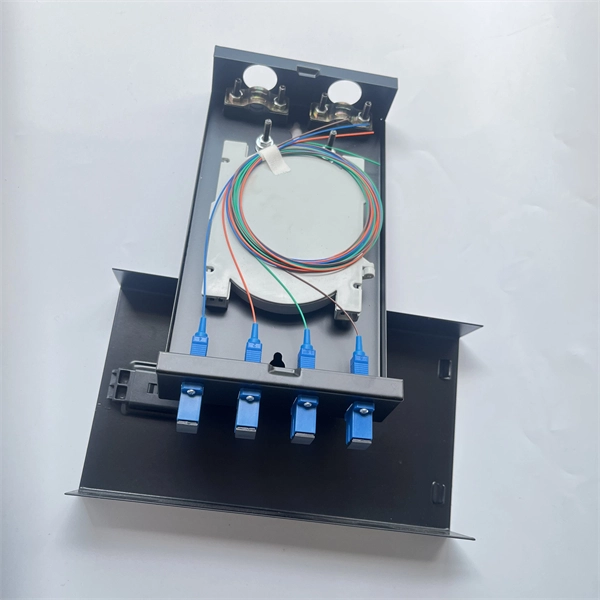
Single-mode fiber optic transceiver fault types
Despite their robustness, fiber networks can fail due to: Physical Damage : Cuts, bends, or contamination in fiber cables or connectors. Hardware Failures : Faulty transceivers, switches, or routers. Configuration Errors : IP conflicts, incorrect routing, or. This document...
[PDF Version]
-
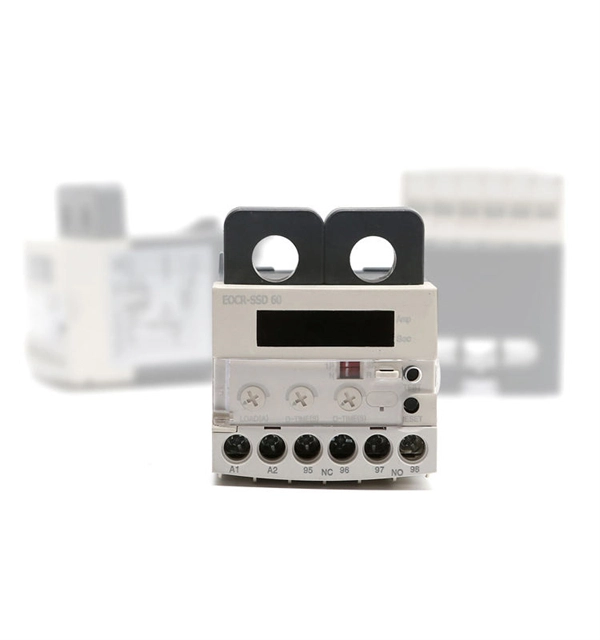
What are the different types of fiber optic gratings
The term type in this context refers to the underlying mechanism by which grating fringes are produced in the fiber. The different methods of creating these fringes have a significant effect on physical attributes of the produced grating, particularly the temperature response...
-
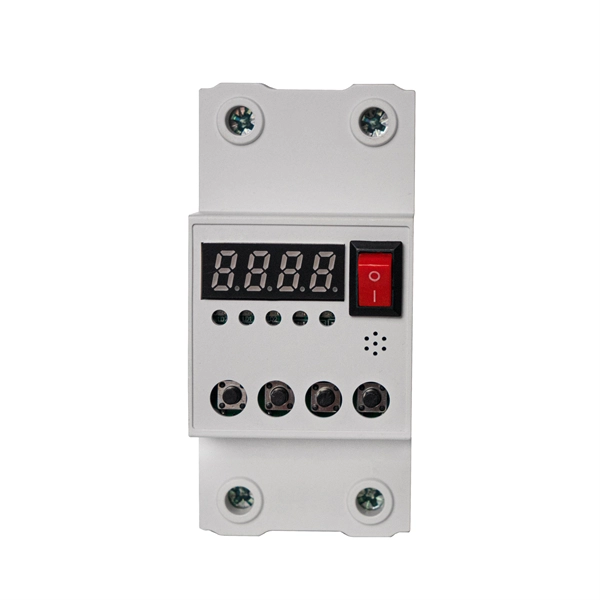
What are the requirements for overhead fiber optic splice boxes
The proper length of fiber is needed to allow splicing and then neatly storing fiber in the splice tray. Inside splice closures and at each end, cables with metallic shielding or strength members must be properly grounded and bonded. The Fiber Optic Association, Inc. The...
[PDF Version]
-
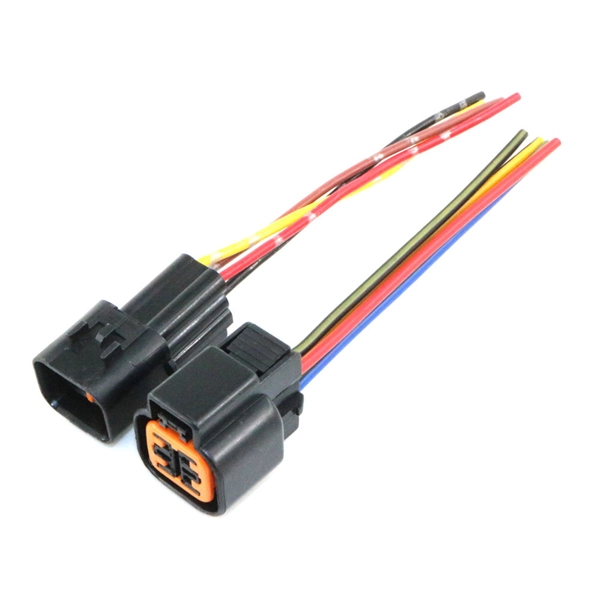
What materials are inside an optical fiber splice box
The tray is usually made of plastic or metal and can hold a varying number of fibers, depending on the size of the box. An optical cable split fiber box, also known as a fiber distribution box or fiber optic splice closure, is a device used to terminate, splice, and...
-
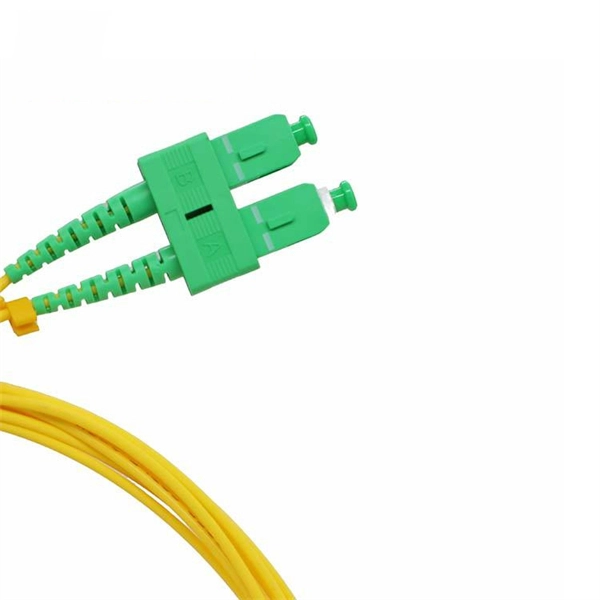
What are some types of diffraction-type fiber optic sensors
Among the most prominent architectures of this type are fiber Bragg gratings (FBG), and sensors based on Raman scattering [18, 19], Brillouin scattering [14, 20], and certain interferometers like Mach–Zehnder [5, 21], Sagnac, and Michelson [6, 22]. Fiber optic current sensors...
[PDF Version]
-
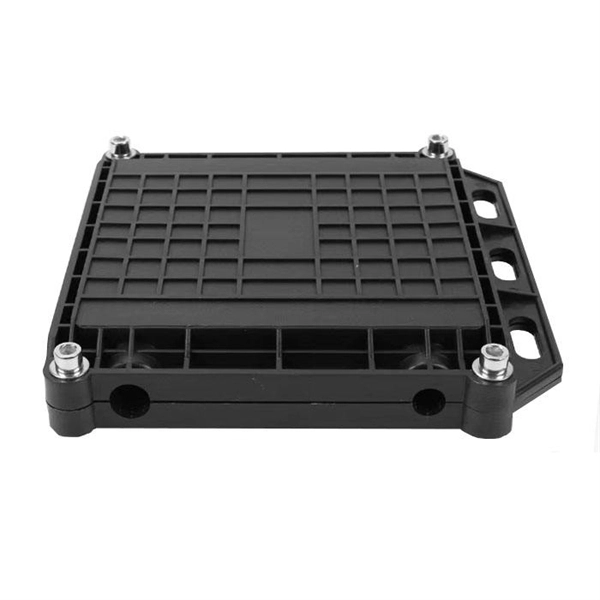
How to interpret the markings on a fiber optic splice box
Here is the most important information: 864F means the cable contains 864 fibersSM means singlemode fiber250 means the fiber has a 250 micron buffer coating0. 89 inches (metric would be in mm) 206 LB/KFT means the cable weighs 206. Understanding fiber‑optic color codes is...
[PDF Version]
-
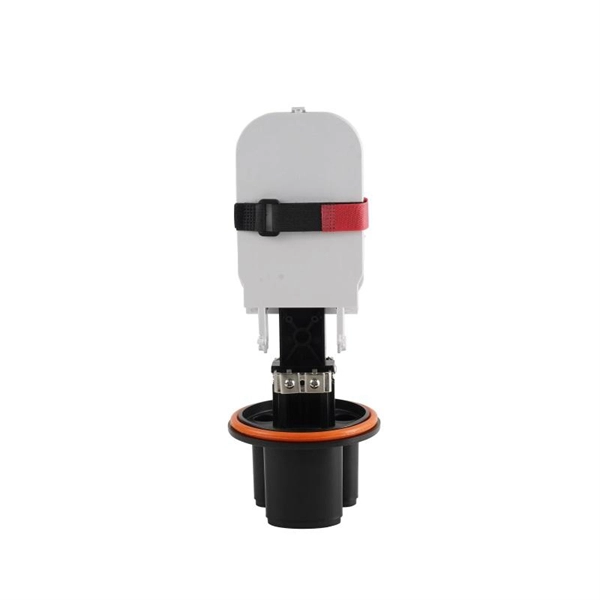
Types of fiber optic sensor structures include
Extrinsic fiber-optic sensors use an, normally a one, to transmit light from either a non-fiber optical sensor, or an electronic sensor connected to an optical transmitter. A major benefit of extrinsic sensors is their ability to reach places which are otherwise inaccessible...
-
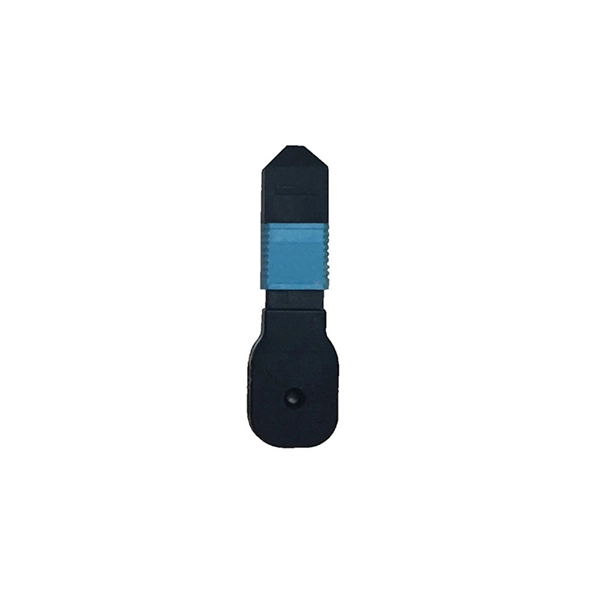
Fiber optic splice closure 56-core model
The T-56+ core-aligned fusion splicer achieves low splice losses and optimized operating times, supported by advanced technologies and a robust, built-to-last design manufactured in Japan. Corning Fiber Optic Splice Closures are designed for splicing fibers in aerial, duct...
-
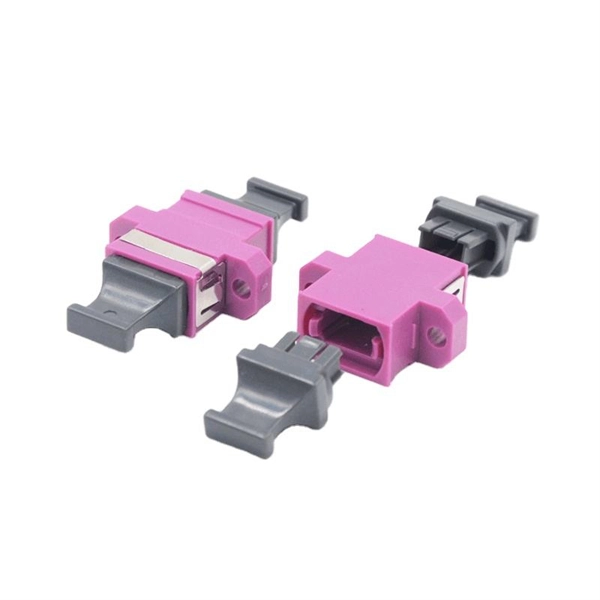
Is it safe and good to make fiber optic splice boxes waterproof
Fiber optic splice closures keep your network safe from water, dirt, and harm. Pick strong materials and tight seals to keep signals clear. Check and clean closures often to. In this technical guide, we will explain exactly what the IP68 waterproof standard means, why it is...
[PDF Version]