
Fiber infrastructure reference
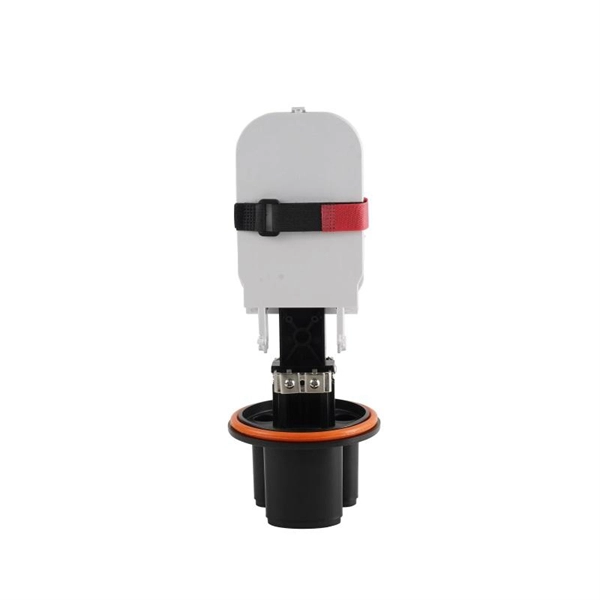
Fiber-optic sensor
Extrinsic fiber-optic sensors use an optical fiber cable, normally a multimode one, to transmit modulated light from either a non-fiber optical sensor, or an electronic sensor connected to an optical transmitter. A major benefit of extrinsic sensors is their ability to reach places which are otherwise inaccessible. An example is the measurement of temperature inside aircraft jet engines by using a fiber to transmit radiation into a radiation pyrometer located outside the engine. Extrinsic sensors can also be used in the same w
Fiber Optic Sensors: Principles, Types, and Uses
Fiber optic current sensors are categorized into three main types, each based on different optical principles. Let''s explore them in more detail. 1.
Fiber Optic Sensor
Fiber optic sensors are defined as devices that utilize optical fibers to measure a variety of stimuli, including mechanical, thermal, electromagnetic, radiation, chemical, and flow characteristics.
Fiber Optic Sensor : Types, Working, Interfacing & Its
There are different types of fiber optic sensors are available based on different factors like sensing location, operating principle, and application.
CHAPTER 09 FIBER OPTIC SENSORS
o its chemically inert nature. FIBER OPTIC SENSOR PRINCIPLES: Fiber optic sensors consist of an optical source (LEDs, Lasers, Laser diodes etc.) optical fiber, sensing element (transducer), optical
Inside Fiber Optic Sensors: Categories, Materials, and Core
Comprehensive article on fiber optic sensors covering categories, materials used, and core functional traits explaining their operation and applications in various fields.
What is a Fiber Optic Sensor?
Learn all about the principles, structures, and features of eight sensor types according to their detection principles. The fiber optic sensor has an optical fiber
Review of Optical Fiber Sensors: Principles,
The distributed optical fiber sensor (DOFS) architecture enables information to be collected using just a single optical fiber along its entire length,
Introduction to Fiber Optic Sensors and their Types
Article provides diffrent types of FIber optic sensors andvapplications is a sensor that uses optical fibers for sensing the elemnet (remote sensing).
Fiber Optic Sensor : Types, Working, Interfacing & Its
Fiber optic sensor is a new branch in fiber optics in competition with the existing communication system. This is a very interesting and also well
Fiber Optic Sensors: Principles, Types, and Uses
Fiber optic current sensors offer several advantages over traditional electrical sensors, including immunity to electromagnetic interference, the ability
Fiber Optic Sensors | Definition, Types & Applications
Discover what fiber optic sensors are, including how they work, different types, and applications. Learn about their advantages and principles in various industries.
What is a Fiber Optic Sensor?
A fiber optic sensor operates with an optical fiber cable connected to a dedicated light source. These sensors offer great mounting flexibility and can be used is in
Optical Fiber Sensors Guide
Optical fiber structure & characteristics At the heart of this technology is the optical fiber itself -- a hair-thin cylindrical filament made of glass that is able to guide light through itself by confining it within
Optical Fiber Sensors and Sensing Networks: Overview
Optical fiber sensors present several advantages in relation to other types of sensors. These advantages are essentially related to the optical fiber
What is a fibre optic sensor? | Sensor Basics: Principle
Detection based on “Light” What is a fibre optic sensor? Sensors come in a wide variety, and each type has strengths and weaknesses. This section provides a
Fiber Optic Sensors | Different Types of Optical Sensors
Applications of Fiber Optic Sensors With their provided functionalities and capabilities, a fiber optic sensor may be used for numerous applications in which various quantities are to be measured. For
CHAPTER 09 FIBER OPTIC SENSORS
EXTRINSIC FIBER OPTIC SENSORS: In such type of sensors, sensing takes place in a region outside of the fiber and essentially fiber serves as a conduit for the to and fro transmission of light to the
Related Video Reference
This video was associated with the source search result. Verify technical details against current product documentation and project requirements.