
Why Is The Ftth Cabling System Divided Into Multiple Cable Segments
Search optical fiber, connectivity, cable management and network infrastructure references.
-
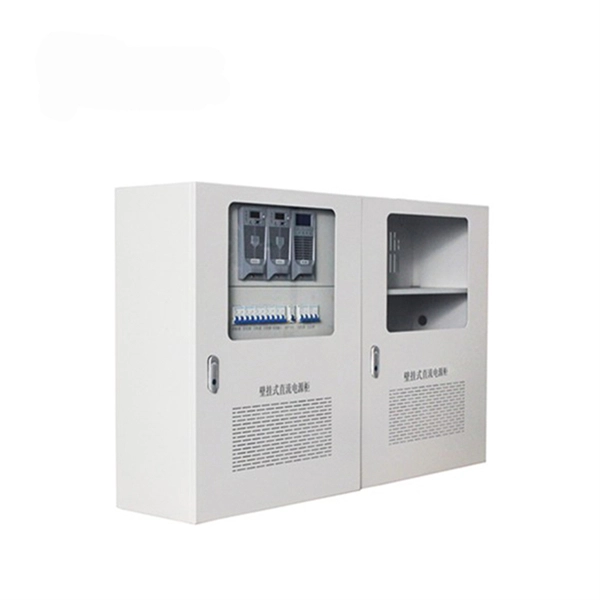
Why are fiber optic couplers called flanges
The fiber optic adapter is also called a flange or fiber optic connector. Optical fiber coupler (Coupler), also known as splitter (Splitter), connector, adapter, flange, is an electrical-optical-electrical conversion device that transmits electrical signals with light as a...
[PDF Version]
-
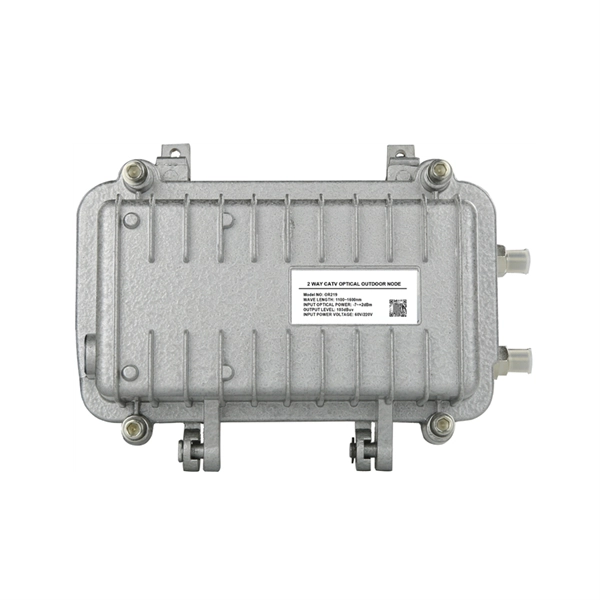
Why are fiber optic patch cords so soft
A fiber-optic patch cord is constructed from a core with a high refractive index, surrounded by a coating with a low refractive index, that is strengthened by aramid yarns and surrounded by a protective jacket. Unlike backbone cables, patch cords are frequently connected...
[PDF Version]
-
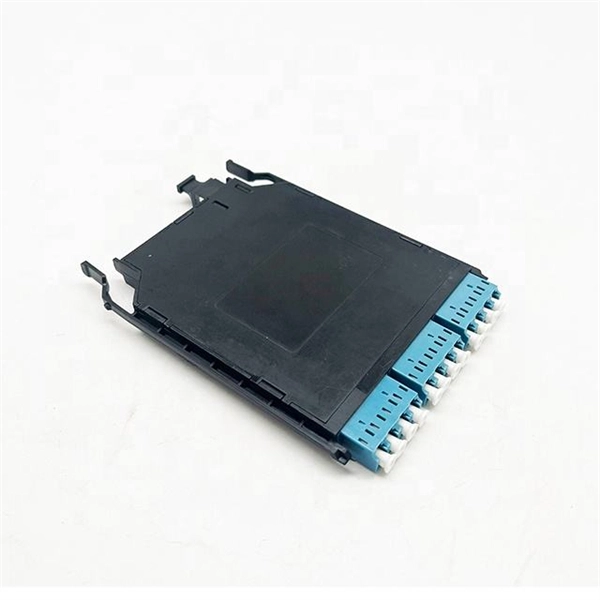
Why not use a cold connector for fiber optic internet access
Connectors are the vulnerable points in a fiber network. Studies and industry research (from sources such as the FCC and IEEE) indicate that extreme cold can affect connectors by causing water ingress to freeze, leading to physical deformation. This method is essentially...
[PDF Version]
-
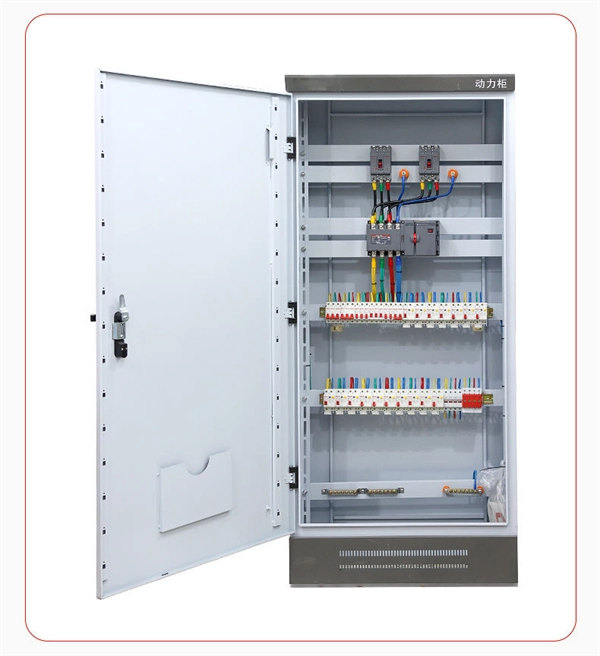
Steps for Implementing a Comprehensive Cabling System in a Computer Room
Our guide delivers actionable, step-by-step best practices for rack layout, cable management, and patch panel installation. Following these steps helps you build a clean and efficient structured cabling system that simplifies maintenance and maximizes network performance. The...
[PDF Version]
-
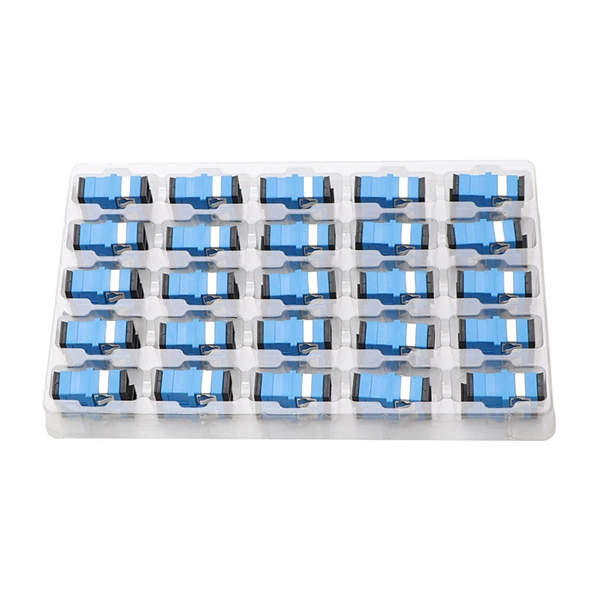
Why is there a problem with the splice box in the optical cable
Signal loss can occur in Fiber Optic Splice Closure (FOSC) due to various reasons such as dirty connectors, broken fibers, or loose connections. To troubleshoot this issue, you can try the following: Inspect the connectors for dirt or damage. Damage to the cable can cause...
[PDF Version]
-
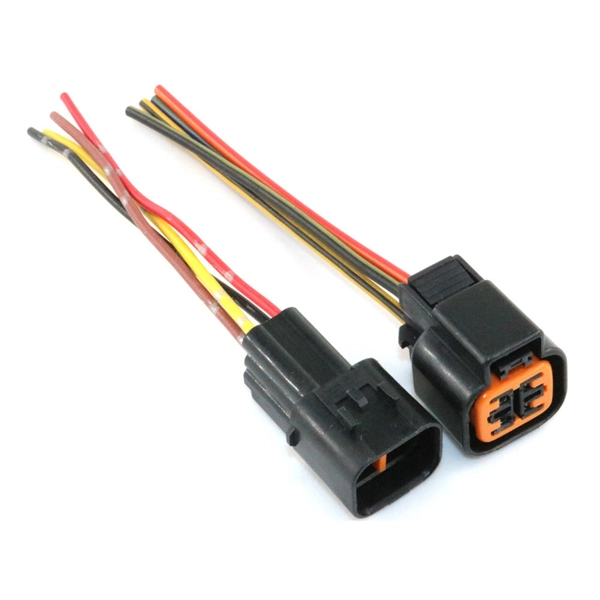
Reasons why pigtail splicing fails to enter the V-groove
Likely due to misalignment of fibers because of dirty V-grooves or not calibrating the equipment correctly—clean the V-grooves and recalibrate the equipment. More often than not, quick resets and maintenance can restore performance right on the job, minimizing downtime. There...
-
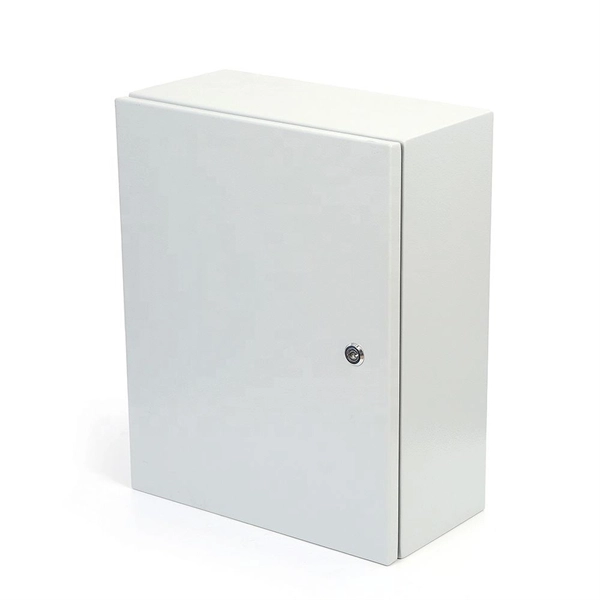
Why use a secondary distribution box
In automotive applications, secondary distribution supplies power to electronic control units (ECUs) through relay-and-fuse boxes, ensuring seamless operation of modern vehicles. From the transformer's low-voltage side (0. 4kV), power is distributed to a main distribution...
-
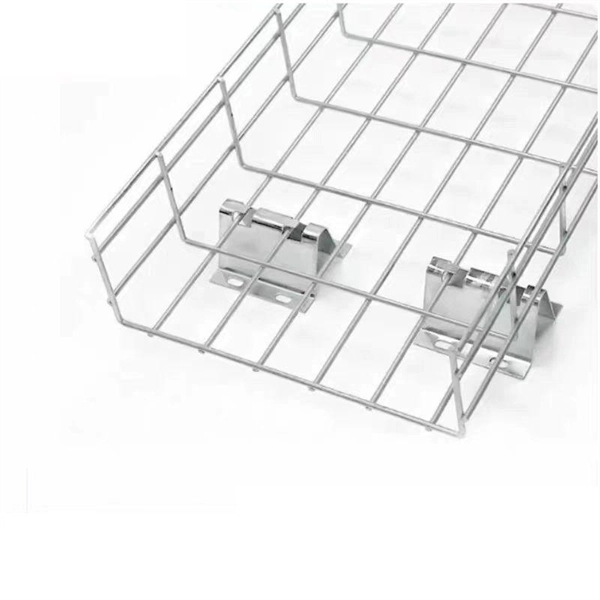
Why are cables run through cable trays
A cable tray is an organized support structure designed to secure and route these insulated electrical cables. It acts as a dedicated pathway for power distribution and data transmission, often supporting cables hidden behind walls or above ceilings. Unlike conduit systems...
-
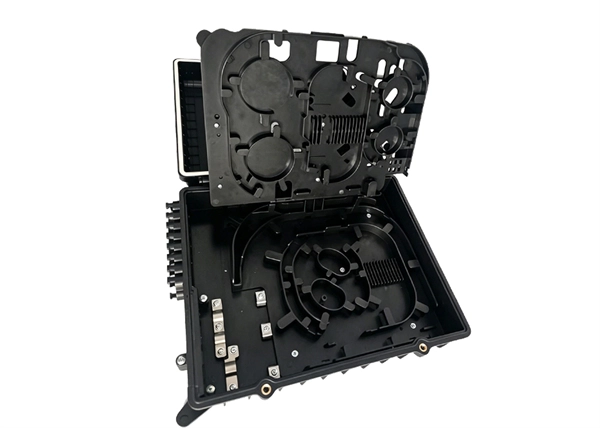
Rack-mounted fiber optic cabling
This guide explains how to properly install and organize fiber networking equipment inside a rack mount enclosure, covering engineering principles such as backplane architecture, power redundancy, airflow management, and structured cable routing. Corning has a wide variety of...
[PDF Version]