
Fiber infrastructure reference
What Are Cable Trays and How Do They Work?
A cable tray is an organized support structure designed to secure and route these insulated electrical cables. It acts as a dedicated pathway for power distribution and data transmission, often supporting
Cable tray
In the electrical wiring of buildings, a cable tray system is used to support insulated electrical cables used for power distribution, control, and communication. Cable trays are used as an alternative to open wiring or electrical conduit systems, and are commonly used for cable management in commercial and industrial construction. They are especially useful in situations where changes to a wiring system are anticipated,
Cable Tray Technical Guide A practical guide to product selection and
Cable tray is considered to be a system. It must provide continuous support for cables, and the electrical continuity of the cable tray system must be maintained.
7 Types of Cable Trays: How to Choose the Right One
Cable tray systems are far more than simple supports for cables—they are critical components in electrical infrastructure, affecting heat
Cable Trays Roles: More Than Just Holding Wires
Cables carry power and signals. Cable trays are built strong. They give cables a steady surface to rest on. This keeps
Cable Tray Systems: A Complete Guide to Types
This is the role of the cable tray system—a structured framework designed to support and organize insulated electrical cables, control cables, and
What are Cable Trays? Everything you need to know
Discover everything about cable trays in industrial settings: types, benefits, installation tips, and compliance with NEC and fire resistance
Cable Tray Fill Rules (NEC 392)
Cable tray is the preferred wiring method for industrial facilities, data centers, and large commercial buildings where routing dozens or hundreds of
Types of Cable Trays – Purpose, Advantages,
Cable trays are components of support systems for power and communications cables and wires. A cable tray system supports and protects
Cable Trays | How it works, Application & Advantages
Explore the world of cable trays, their types, materials, benefits, standards, and installation considerations for efficient cable management. Cable
What are Cable Trays & Different Types of Cable Trays
These trays provide a reliable, rigid, and durable structural system that is used to accommodate all types of electric cables and intricate wiring.
Type of Tray Cable and Benefit of Cable Trays
There are several types of cable trays, including but not limited to ladder trays, solid bottom cable trays, trough, channel and wire mesh cable trays. Ladder trays resemble exactly that -
FactSheet
Cable trays feature flexibility unmatched by conduit, as cables are easier to mark, remove and find in cable trays. Cable trays are avail-able in a number of different configurations, including ladder,
Cable Tray Questions | Cable Tray Institute
Answer: No. Cable trays are a support system for electrical cables, power, signal, and communication and optical fiber cables. NEC section 300-8 does not permit any tube, pipe, or equal for water, air
What Is a Cable Tray? Types, Designs, and Advantages
What is a Cable Tray A cable tray is a mechanical support system that forms a rigid structure for insulated electrical conductors, including high-voltage power lines, control cables, and fiber optics.
Cable Trays | How it works, Application & Advantages
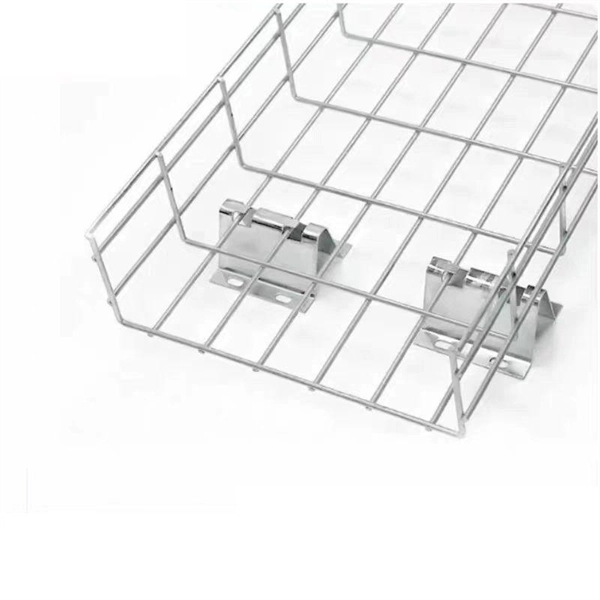
Wire Mesh Cable Trays: These trays, made of steel wire mesh, are lightweight and flexible, ideal for installations where space and weight are a
Ampacity of Power Cables Installed in Cable Trays
Cable ampacity, the maximum current-carrying capacity, is a critical factor in the design and operation of power cable systems. Cables installed in trays have
Tray Cable and Cable Trays Vs. Conduit: A
As mentioned, it is also most cost and time-intensive to draw cables through conduit. Looking for a High-Quality, Rated Tray Cable? We carry a wide
Related Video Reference
This video was associated with the source search result. Verify technical details against current product documentation and project requirements.