
What Is Wavelength Division Multiplexing Wdm A Technical Guide
Search optical fiber, connectivity, cable management and network infrastructure references.
-
What amplifier is used for wavelength division multiplexing
Erbium-doped optical fiber amplifiers (EDFAs) provide an efficient wideband amplification for the C-band, Raman amplification adds a mechanism for amplification in the L-band. For CWDM, wideband optical amplification is not available, limiting the optical spans to several...
[PDF Version]
-
Does wavelength division multiplexing WDM affect bandwidth
WDM Basics: Understanding Wavelength Division Multiplexing Wavelength division multiplexing (WDM), known as the classic technology that provides optimal so.
[PDF Version]
-
Wavelength Division Multiplexing Demultiplexing Fiber
Wavelength Division Multiplexing (WDM) stands out as a cornerstone, enabling multiple data streams to travel simultaneously over a single fiber. This guide delves into the principles, types, applications, and future trends of WDM. WDM allows communication in both the...
-
Optical Circulator Wavelength Division Multiplexing
Normal WDM (sometimes called BWDM) uses the two normal wavelengths 1310 and 1550 nm on one fiber. Dense WDM (DWDM) uses the C-Band (1530 nm-1565 nm) transmission window but with denser. In fiber-optic communications, wavelength-division multiplexing (WDM) is a technology...
[PDF Version]
-
Wavelength Division Multiplexing Spacing Bandwidth
Normal WDM (sometimes called BWDM) uses the two normal wavelengths 1310 and 1550 nm on one fiber. Dense WDM (DWDM) uses the C-Band (1530 nm-1565 nm) transmission window but with denser channel. In fiber-optic communications, wavelength-division multiplexing (WDM) is a...
-
Traditional wavelength division multiplexing parameters
Specifically, frequency (in Hertz, which is cycles per second) multiplied by wavelength (the physical length of one cycle) equals the velocity of the carrier wave. In a vacuum, this is the speed of light (usually denoted by the lowercase letter, c). In fiber-optic...
-
Wavelength Division Multiplexing Optical Module Procurement
Wavelength Division Multiplexing – WDM, coarse, 📦 For purchasing, use the RP Photonics Buyer's Guide for wavelength division multiplexing. It provides an e.
[PDF Version]
-
What does the COM port of a wavelength division multiplexer mean
COM stands for Common Port, and it's the main interface for signal input or output in a WDM module. In MUX (Multiplexer) mode, the COM port outputs a combined optical signal composed of multiple wavelengths. This technique enables bidirectional communications over a. CWDM...
-
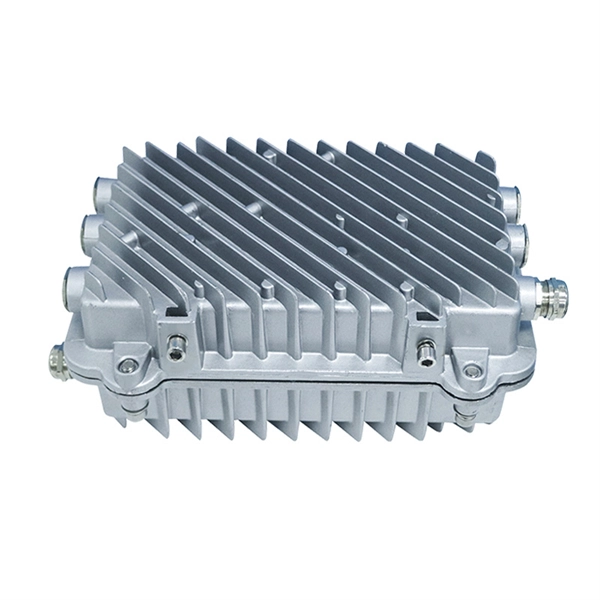
Current Network Technology Wavelength Division Multiplexing
Wavelength Division Multiplexing (WDM) stands out as a cornerstone, enabling multiple data streams to travel simultaneously over a single fiber. This guide delves into the principles, types, applications, and future trends of WDM. Tailored for professionals sourcing solutions...
[PDF Version]
-
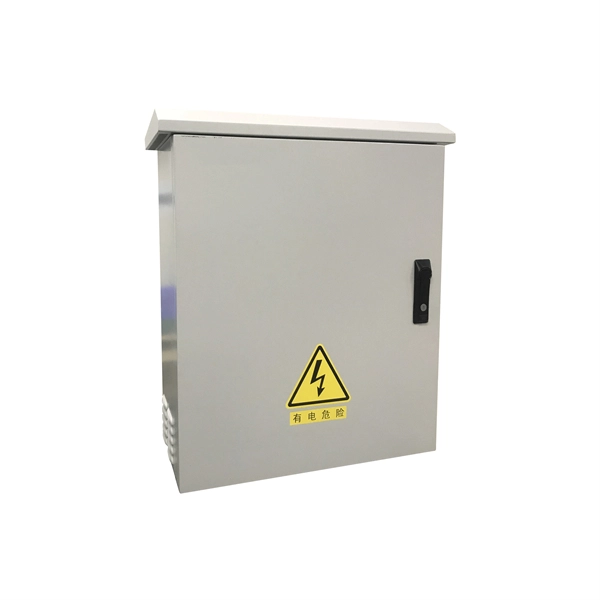
Advantages of Fiber Optic Wavelength Division Multiplexing
Wavelength Division Multiplexing – WDM, coarse, dense, optical fiber. Wavelength division multiplexing (WDM) is a technology for increasing the transmiss.
[PDF Version]
More from the technical library
- Basic Configuration Requirements for Construction Site Electrical Distribution Boxes
- Does the server contain an optical module
- Advanced Relay Protection Skills Assessment
- Double-row server rack cold aisle
- Distribution box exterior color
- Long tube for threading fiber optic cable
- Requirements for Customizing Outdoor Distribution Boxes