
Types Of Ceramic Inserts And Their Applications
Search optical fiber, connectivity, cable management and network infrastructure references.
-
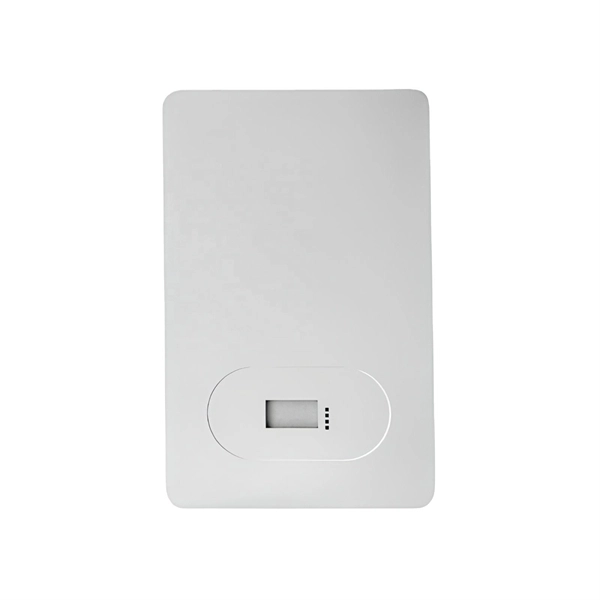
Ceramic core inserts are safer and more durable
Unlike traditional carbide tools, ceramic inserts are specifically formulated to handle extreme temperatures and abrasive materials, making them ideal for high-speed turning operations on tough alloys such as stainless steel, titanium, and heat-resistant superalloys. Ceramic...
[PDF Version]
-
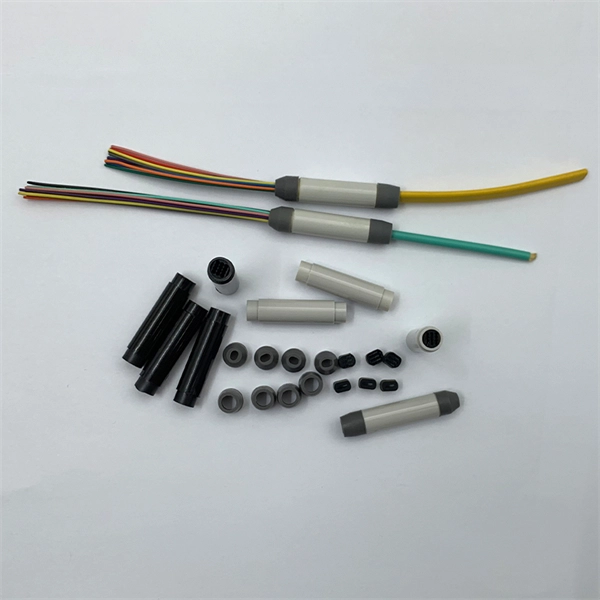
How are electromagnetic sensors classified into photoelectric types
With multiple types available—Through-beam, Diffuse-reflective, Retro-reflective, Distance-settable, and Limited-reflective—they can be selected based on the application requirements such as distance, object type, environmental conditions, and detection accuracy...
[PDF Version]
-
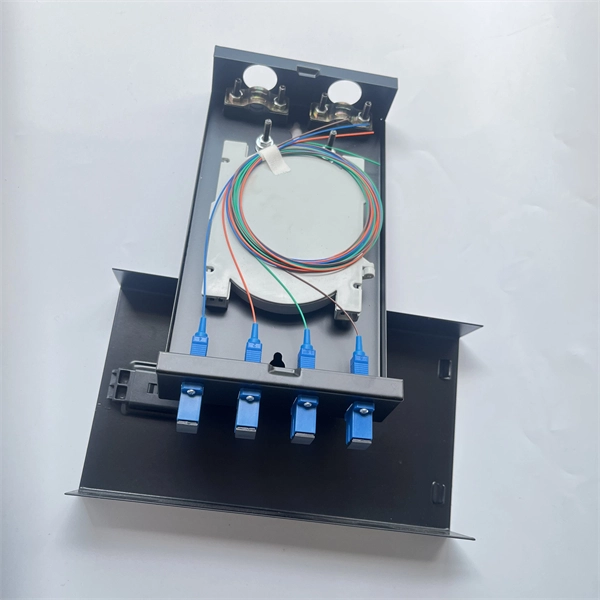
Single-mode fiber optic transceiver fault types
Despite their robustness, fiber networks can fail due to: Physical Damage : Cuts, bends, or contamination in fiber cables or connectors. Hardware Failures : Faulty transceivers, switches, or routers. Configuration Errors : IP conflicts, incorrect routing, or. This document...
[PDF Version]
-
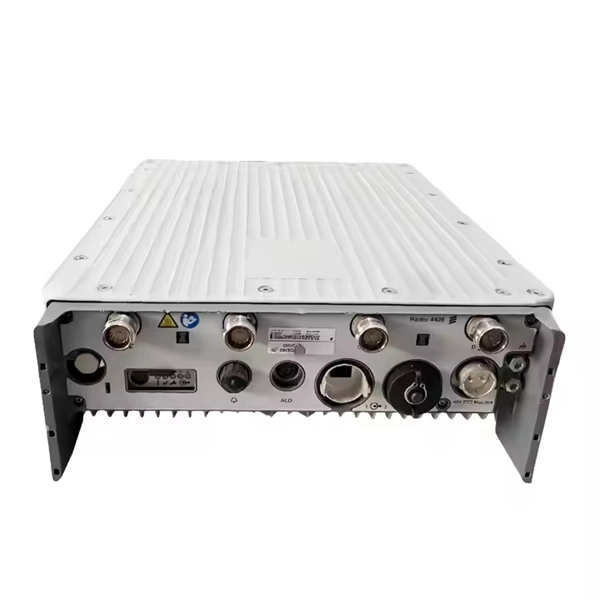
Where are ceramic ferrules most commonly used
Ceramic ferrules are widely used in communications, energy, transportation, aerospace and other fields. In addition, in high-temperature situations, such as. Our Standard Ferrules are typically used as sub-components within fiber optic connectors, but can also be integrated...
[PDF Version]
-
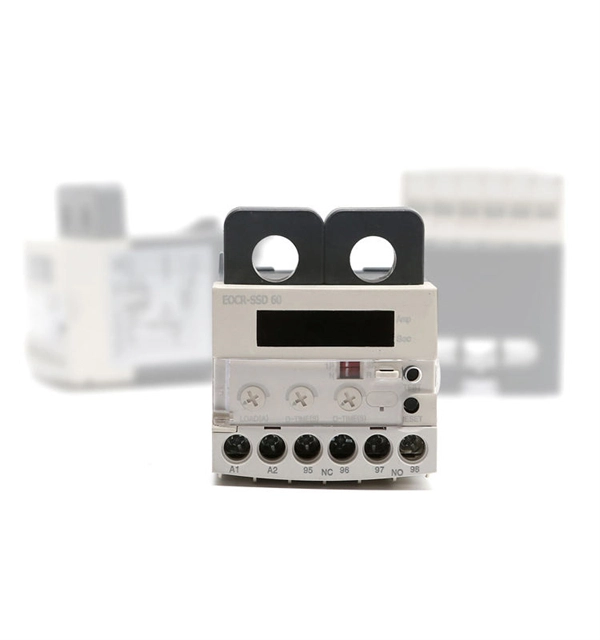
What are the different types of fiber optic gratings
The term type in this context refers to the underlying mechanism by which grating fringes are produced in the fiber. The different methods of creating these fringes have a significant effect on physical attributes of the produced grating, particularly the temperature response...
-
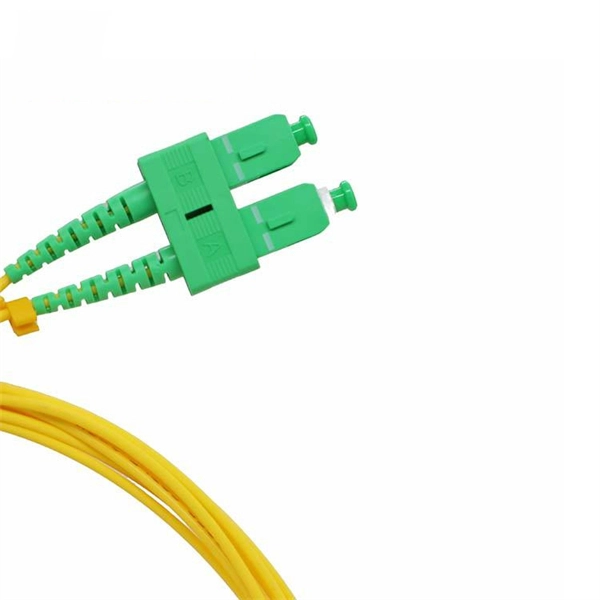
What are some types of diffraction-type fiber optic sensors
Among the most prominent architectures of this type are fiber Bragg gratings (FBG), and sensors based on Raman scattering [18, 19], Brillouin scattering [14, 20], and certain interferometers like Mach–Zehnder [5, 21], Sagnac, and Michelson [6, 22]. Fiber optic current sensors...
[PDF Version]
-
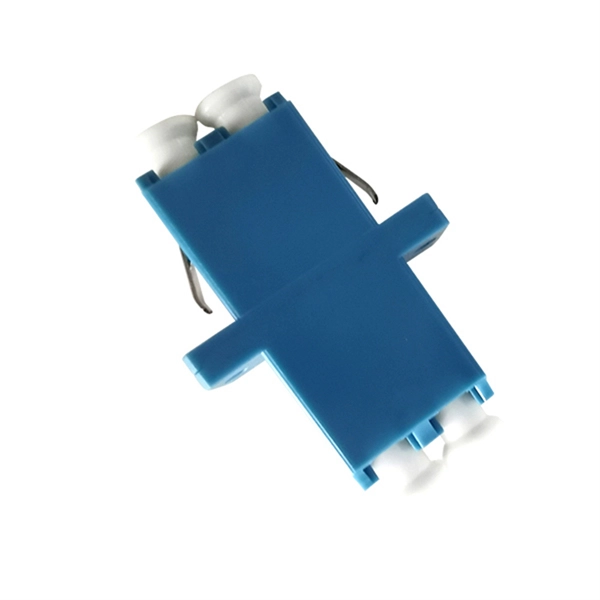
Types of Optical Port Modules for Switches
Common optical module types such as SFP, GBIC, XFP, and XENPAK, along with optical interfaces like FC, SC, and LC, each have their unique characteristics that make them suitable for specific application scenarios. The performance of a network is heavily dependent on the...
[PDF Version]
-
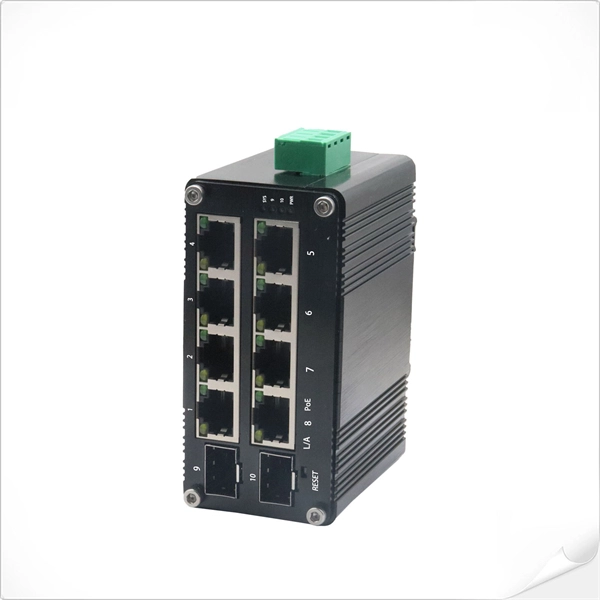
What are some types of light-emitting communication devices
Telecommunications, broadband communication using fiber-optic cables. Devices include: LEDs, photodiodes, optocouplers, and laser diodes. Converts electrical energy into light (electroluminescence). Colors: Red, green, yellow, blue, orange, white, and infrared (invisible)...
[PDF Version]
-
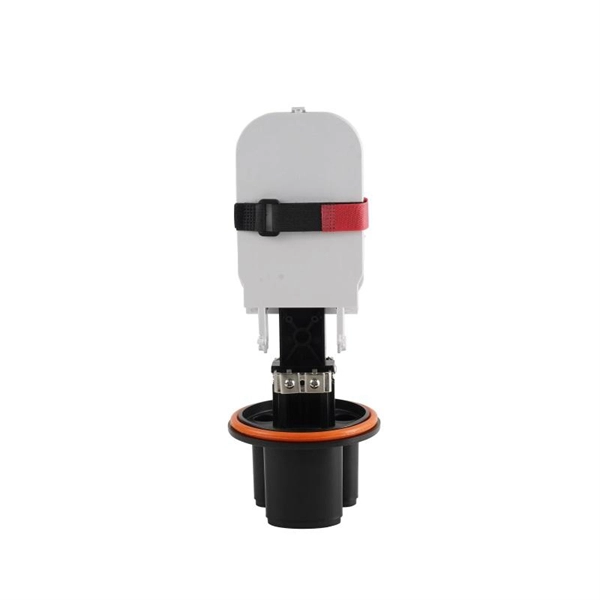
Types of fiber optic sensor structures include
Extrinsic fiber-optic sensors use an, normally a one, to transmit light from either a non-fiber optical sensor, or an electronic sensor connected to an optical transmitter. A major benefit of extrinsic sensors is their ability to reach places which are otherwise inaccessible...
More from the technical library
- ODF patch panel fiber optic cabling
- Polarization-maintaining fiber optic patch cord PM980
- How many pins are connected to the optical port of the switch
- How much is the wholesale price of building cable trays
- Spacing between switches in the distribution box
- XM distribution box and low-voltage distribution box
- LED aviation power distribution box models