
How can one identify a broken fiber optic cable?
To identify a broken fiber optic cable, start by performing a visual inspection for any physical signs of damage, such as bends, cracks, or breaks...
Search optical fiber, connectivity, cable management and network infrastructure references.
Fiber Optic Troubleshooting Guide: Problems, Tools & SolutionsLearn how to troubleshoot fiber optic cables with common problems, a step-by-step process, es.
[PDF Version]To identify a broken fiber optic cable, start by performing a visual inspection for any physical signs of damage, such as bends, cracks, or breaks...
There are several methods to test fiber optic cables without a tester. One method is using a visual fault locator (VFL), as mentioned earlier, to v...
Intermittent fiber optic connections can be caused by a variety of factors, including: Poorly terminated connectors or splices that result in unsta...
The industry standard ANSI/TIA/EIA-568-C. 3, “Optical Fiber Cabling Component Standard” specifies maximum connector insertion loss to be 0. To be able to judge whether a fiber optic cable plant is good, one does a insertion loss test with a light source and power meter and...
[PDF Version]
The proper length of fiber is needed to allow splicing and then neatly storing fiber in the splice tray. Inside splice closures and at each end, cables with metallic shielding or strength members must be properly grounded and bonded. The Fiber Optic Association, Inc. The...
[PDF Version]
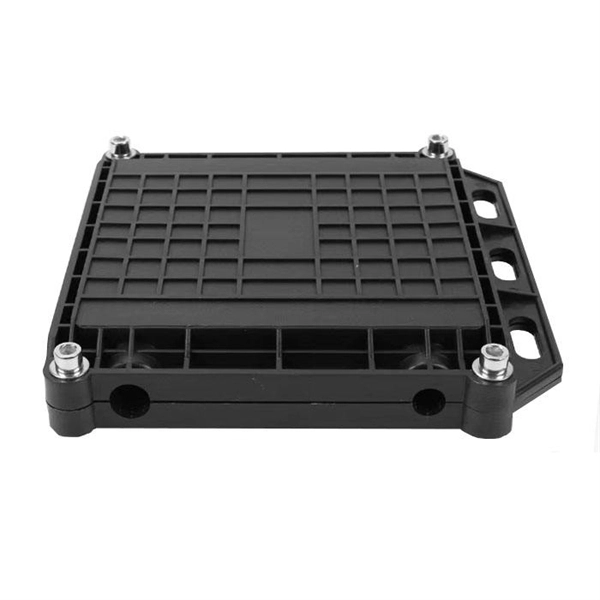
The tray is usually made of plastic or metal and can hold a varying number of fibers, depending on the size of the box. An optical cable split fiber box, also known as a fiber distribution box or fiber optic splice closure, is a device used to terminate, splice, and...
Here is the most important information: 864F means the cable contains 864 fibersSM means singlemode fiber250 means the fiber has a 250 micron buffer coating0. 89 inches (metric would be in mm) 206 LB/KFT means the cable weighs 206. Understanding fiber‑optic color codes is...
[PDF Version]
The T-56+ core-aligned fusion splicer achieves low splice losses and optimized operating times, supported by advanced technologies and a robust, built-to-last design manufactured in Japan. Corning Fiber Optic Splice Closures are designed for splicing fibers in aerial, duct...
Share the fiber interfaces, termination capacity, cable route and evidence required for handover.