
How can one identify a broken fiber optic cable?
To identify a broken fiber optic cable, start by performing a visual inspection for any physical signs of damage, such as bends, cracks, or breaks...
Search optical fiber, connectivity, cable management and network infrastructure references.
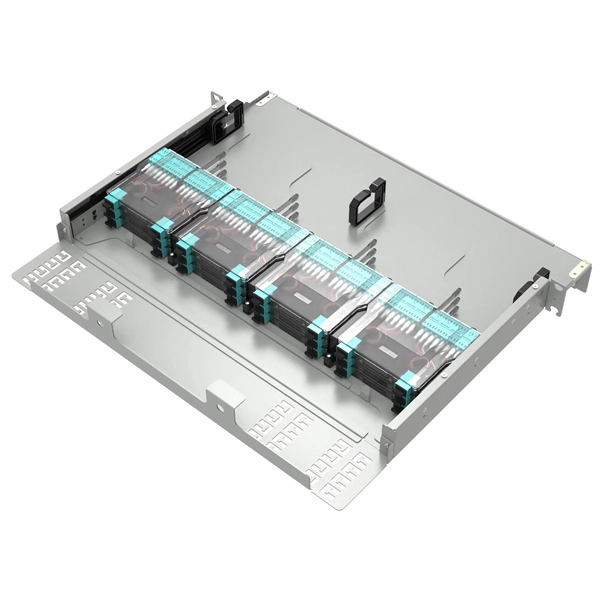
Testing a splitter or other passive fiber optic devices like switches is little different from testing a patchcord or cable plant using the two industry standard tests, OFSTP-14 for double-ended loss (connectors on both ends) or FOTP-171 for single-ended testing. First we...
[PDF Version]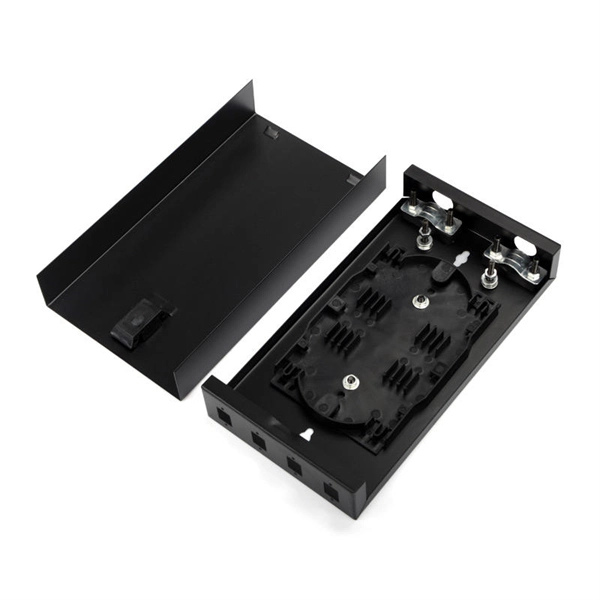
Testing a splitter or other passive fiber optic devices like switches is little different from testing a patchcord or cable plant using the two industry standard tests, OFSTP-14 for double-ended loss (connectors on both ends) or FOTP-171 for single-ended testing. They have...
[PDF Version]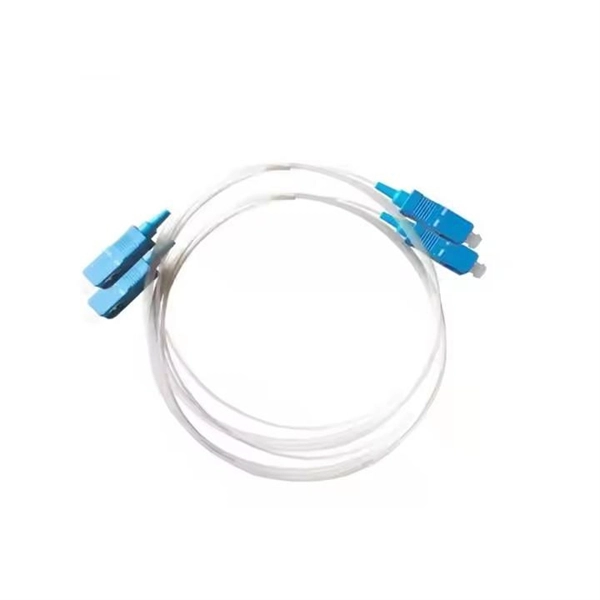
We offer SDoC assistance, Product Certification, Compliance Consultation, Electrical Safety Testing, AS/NZS standardsWe offer SDoC assistance, Product Certification, Compliance Consultation, Electrical Safety Testing, AS/NZS standardsAuckland Lab is one of the leading labs in...
[PDF Version]
The fiber optic terminal box contains the fiber optic cable terminal, fiber fusion splicing or mechanical splicing protection unit. A cassette optical splitter is usually installed in the termination and distribution fiber box. Only a small number of fiber boxes use the box...
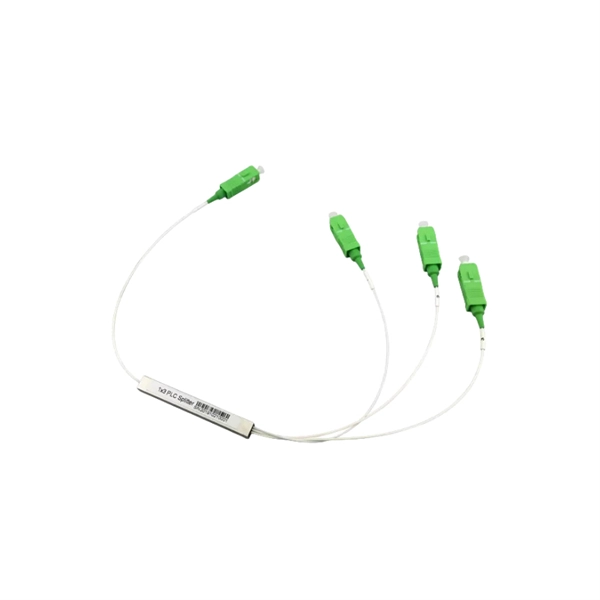
The issue with an HDMI splitter not working can be attributed to various factors, including the lack of a fully HDCP-compliant setup, faulty HDMI cables, or compatibility issues with the source devices and the TV or monitor. HDCP, or High-bandwidth Digital Content Protection...
[PDF Version]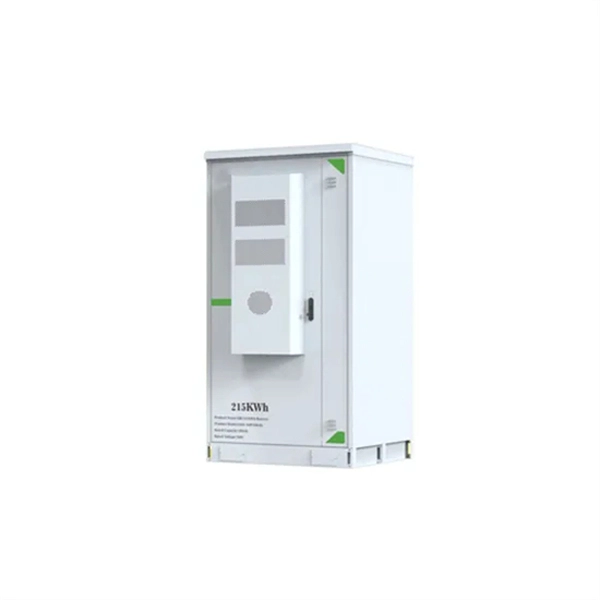
Beam splitters in PON networks are often made with single-mode optical fiber, by exploiting evanescent wave coupling between a pair of fibers to share the beam between them. The splitter is constructed by fusing together the two parallel bare fibers at one point. OverviewA...
[PDF Version]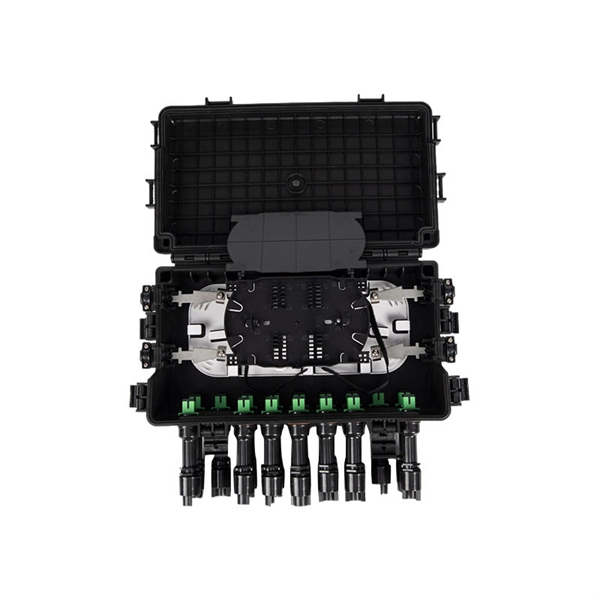
Fiber Optic Troubleshooting: Expert Guide for Common Fiber optic restoration is the process of identifying, troubleshooting, and repairing issues in fiber.
[PDF Version]To identify a broken fiber optic cable, start by performing a visual inspection for any physical signs of damage, such as bends, cracks, or breaks...
There are several methods to test fiber optic cables without a tester. One method is using a visual fault locator (VFL), as mentioned earlier, to v...
Intermittent fiber optic connections can be caused by a variety of factors, including: Poorly terminated connectors or splices that result in unsta...
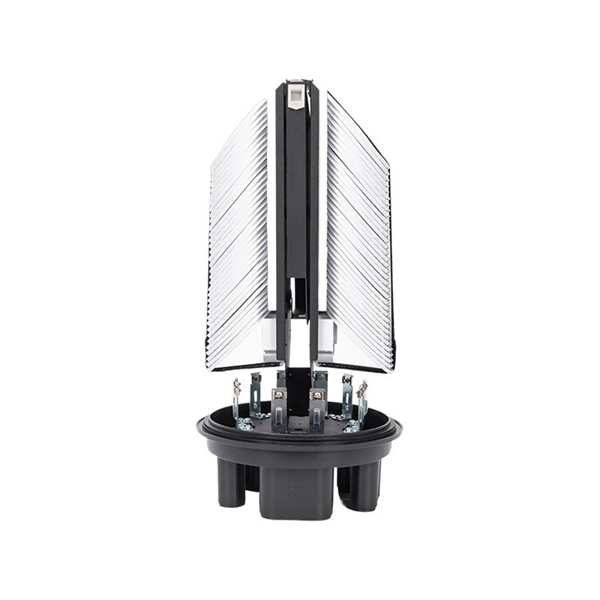
FOA procedures, such as OFSTP-7 (single-mode) and OFSTP-14 (multimode), align with TIA and IEC standards. They describe how to set a '0 dB' reference, control mode power distribution, and use proper wavelengths. These procedures ensure you get consistent, repeatable results...
[PDF Version]
In its most common form, a cube, a beam splitter is made from two triangular glass prisms which are glued together at their base using polyester, epoxy, or urethane-based adhesives. (Before these synthetic resins, natural ones were used, e.g. Canada balsam.) The thickness of...
[PDF Version]Share the fiber interfaces, termination capacity, cable route and evidence required for handover.