
Standard For Installing And Testing Fiber Optics
Search optical fiber, connectivity, cable management and network infrastructure references.
-
Fiber optic splice point loss standard
The industry standard ANSI/TIA/EIA-568-C. 3, “Optical Fiber Cabling Component Standard” specifies maximum connector insertion loss to be 0. To be able to judge whether a fiber optic cable plant is good, one does a insertion loss test with a light source and power meter and...
[PDF Version]
-
Fiber Optic Connector Interchangeability Testing Standards
FOA procedures, such as OFSTP-7 (single-mode) and OFSTP-14 (multimode), align with TIA and IEC standards. They describe how to set a '0 dB' reference, control mode power distribution, and use proper wavelengths. These procedures ensure you get consistent, repeatable results...
[PDF Version]
-
Fiber Optic Cable Testing for Communication Quota Repeater Sections
This article explains how to test fiber cable quality using standardized engineering methods for FTTH, ODN, and data center deployments. FOA "Quickstart Guides" are short, simple guides to basic fiber optic tests. All are written in the same straightforward format: what...
[PDF Version]
-
OTR Fiber Optic Cable Testing
An Optical Time Domain Reflectometer (OTDR) is the most powerful tool for characterizing fiber optic networks. It works like "radar for fiber optics," sending light pulses down the fiber and analyzing the reflected light to measure loss, locate faults, and verify...
-
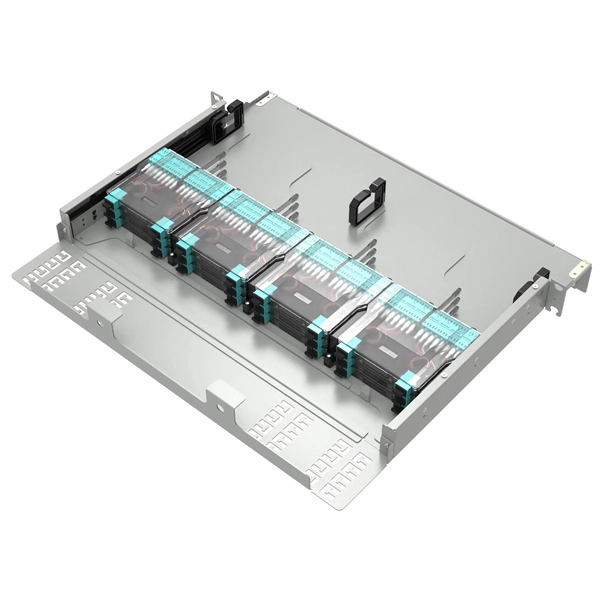
Fiber link end-to-end testing including splitter
Testing a splitter or other passive fiber optic devices like switches is little different from testing a patchcord or cable plant using the two industry standard tests, OFSTP-14 for double-ended loss (connectors on both ends) or FOTP-171 for single-ended testing. First we...
[PDF Version]
-
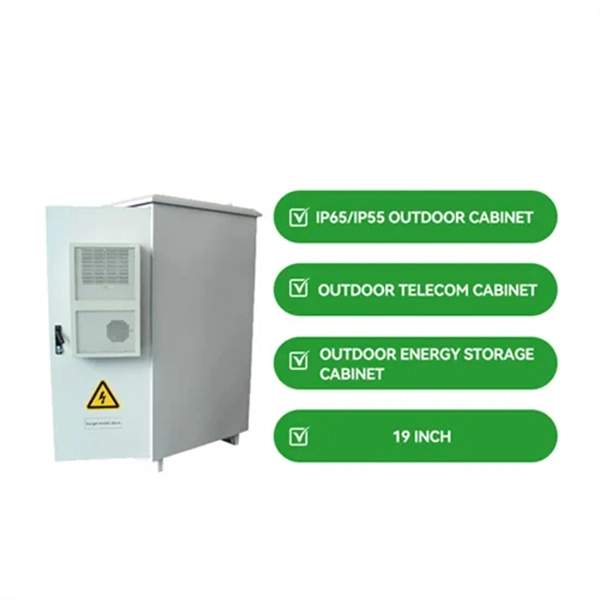
Testing the fiber optic cable on the switch
Testing fiber optic cables connected to a Cisco switch is a critical task to ensure network performance and reliability. This process involves a combination of physical inspections, using specialized testing equipment, and leveraging software tools to diagnose and resolve...
[PDF Version]