
Spectrophotometry Basic Principles
Search optical fiber, connectivity, cable management and network infrastructure references.
-
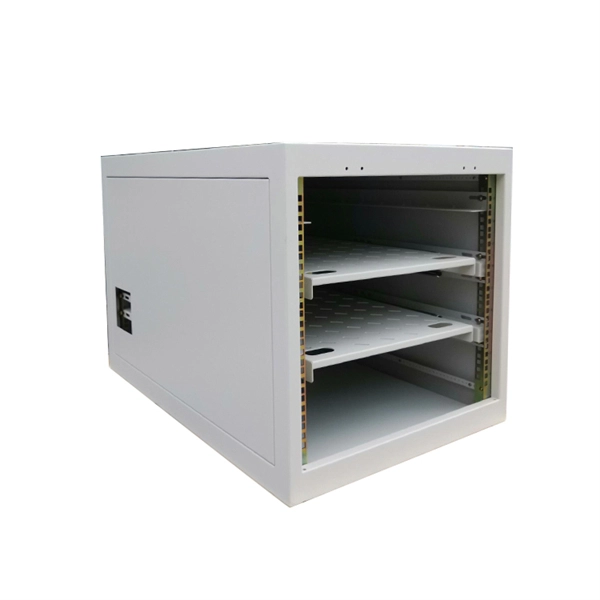
Basic parameters of fiber optic cold splices
The performance of a fiber optic splice is determined by a number of factors, including the quality of the fiber, the cleanliness of the splice, and the techniques used to make the splice. Optical fiber cold splice technology is based on the use of mechanical connectors to...
-
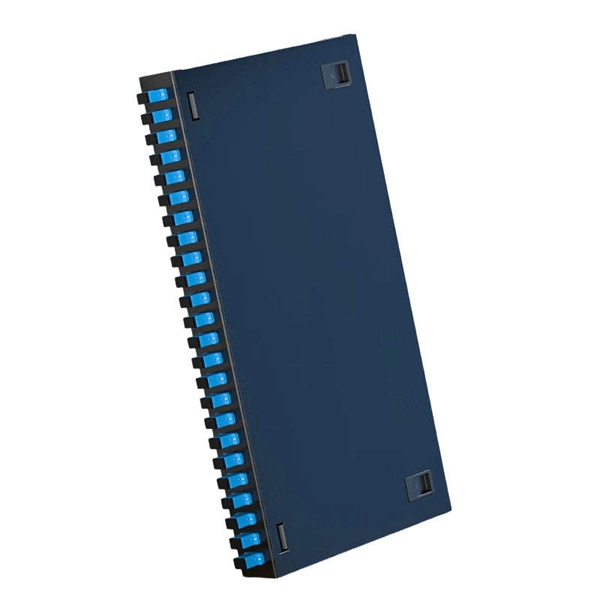
Basic Specifications Requirements for Prefabricated Distribution Boxes
Requirement confirmation: Understand specific electrical parameters (rated voltage and rated current, model and quantity of electrical components inside the distribution box, such as circuit breakers, contactors, motor protectors, etc. ), functional requirements (main...
[PDF Version]
-
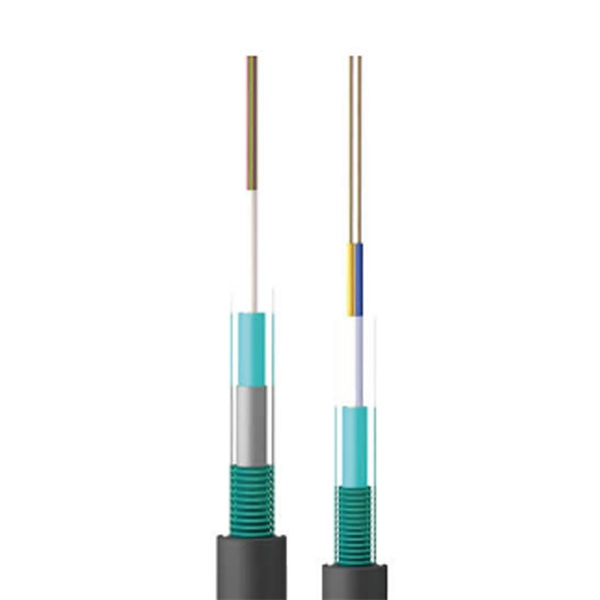
Principles of Microcontrollers for Relay Protection
The development of the relay protection based on open architecture is a relevant direction of electrical and electronic engineering. The paper presents the problem of the modern microprocessor-based r.
-
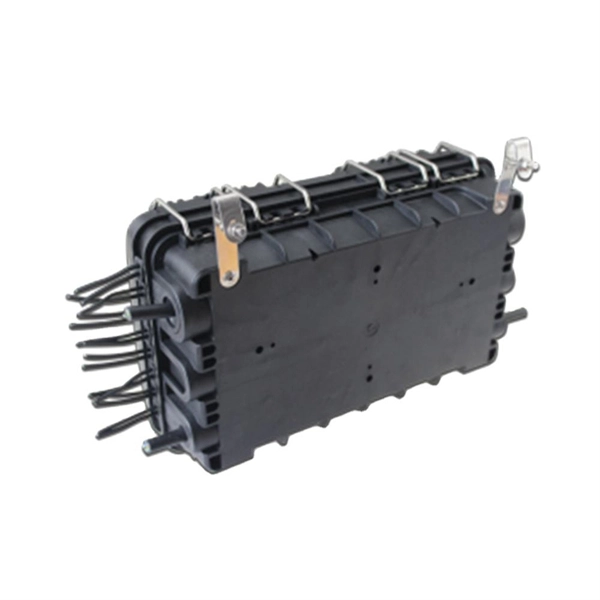
Principles of Main Distribution Box Layout
This guide covers diagram types, component placement, grounding, IP ratings, and testing—backed by IEC/ISO references and practical design rules to reduce faults and simplify maintenance. What is the difference between a single-line diagram and a wiring schematic?As a leading...
[PDF Version]
-
Basic Design Requirements for Photovoltaic Distribution Boxes
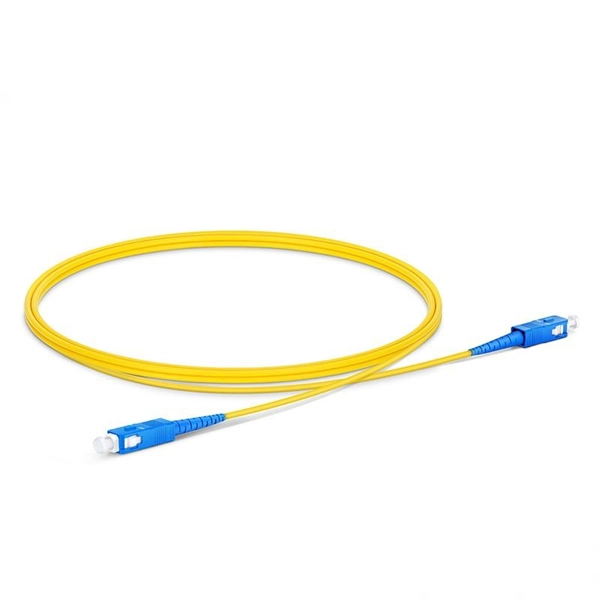
IEC 62548-1:2023 sets out design requirements for photovoltaic (PV) arrays including DC array wiring, electrical protection devices, switching and earthing provisions. This article mainly introduces how to select switches and cables for PV household distribution boxes, as...
[PDF Version]
-
Principles of Fiber Optic Communication in Factory Buildings
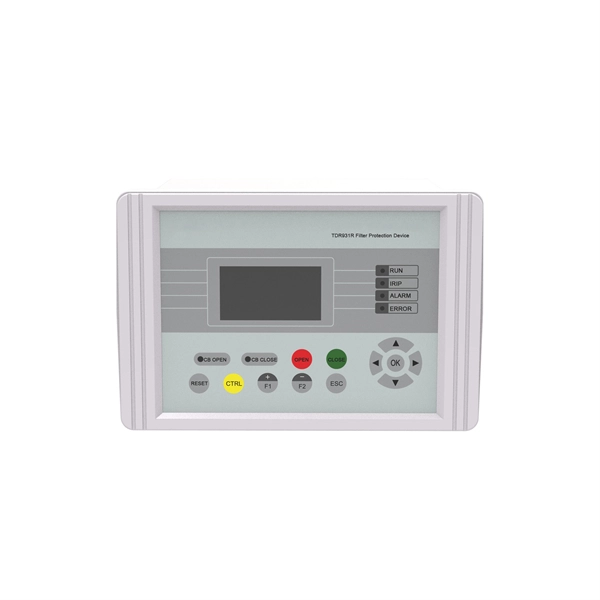
Industrial automation fiber optics and PROFINET integration form the backbone of Industry 4. 0, enabling real-time control and deterministic communication in smart factories. Light acts as a carrier wave and can be modulated to carry information. Optical fibre is preferred...
[PDF Version]
-
Principles and Functions of Optical Switches
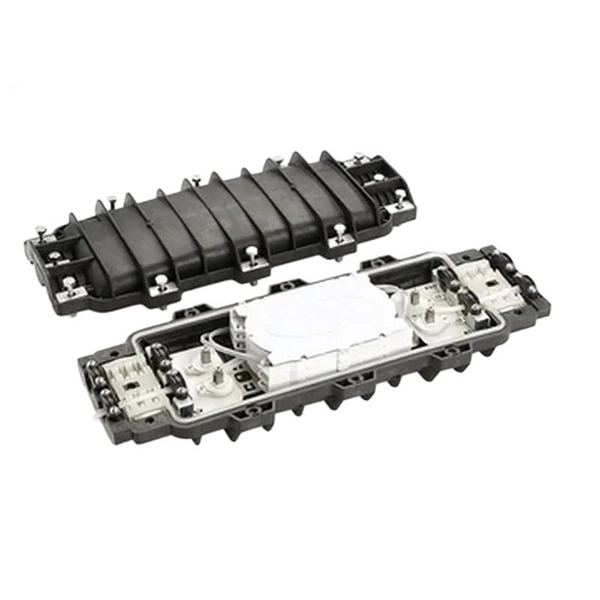
Optical switches are devices that route light signals from one path to another without converting them into electrical signals first. Its core functionalities include: (1) Signal Blocking/Transmission: Interrupting or permitting light passage through a specific channel. This...
-
Principles for Using Network Cabinets
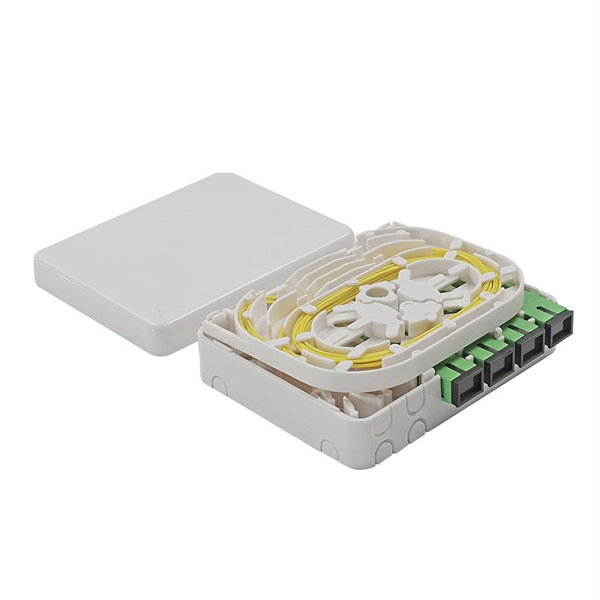
This guide provides essential best practices for server rack setup and organization, covering steps for effective installation, cable management, standards compliance, power distribution, cooling methods, and security measures. A Network Cabinet, often interchangeably called...
-
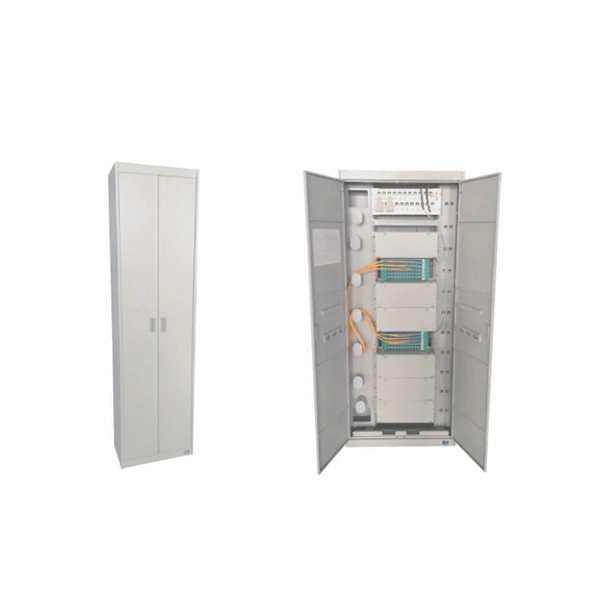
Future Relay Protection Principles
Relay protection technology plays a vital role in fault detection, isolation, and recovery, evolving with intelligent algorithms, digital equipment, and automated coordination to enhance grid reliability. Understanding Protective Relays: Backbone of Grid Security Protective...
[PDF Version]
-
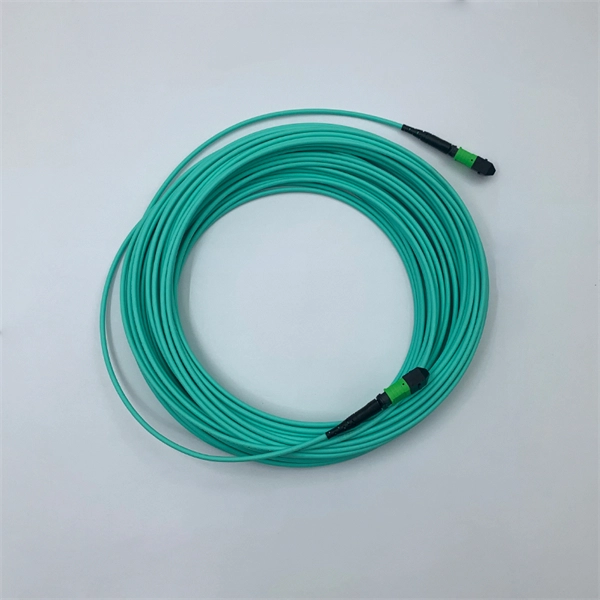
Principles and Prices of Fiber Optic Cable Laying
Buyers typically pay for fiber laying by combining material costs, labor time, and permitting plus trenching or aerial support fees. Commercial building installations with 100-200 network drops generally range from $15,000 to $30,000. The main cost drivers are trench depth...
[PDF Version]