
Solved Why A Coreswitch
Search optical fiber, connectivity, cable management and network infrastructure references.
-
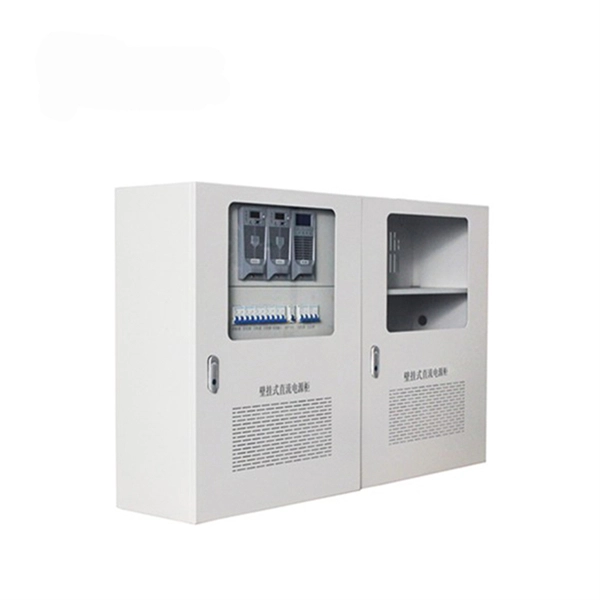
Why are fiber optic couplers called flanges
The fiber optic adapter is also called a flange or fiber optic connector. Optical fiber coupler (Coupler), also known as splitter (Splitter), connector, adapter, flange, is an electrical-optical-electrical conversion device that transmits electrical signals with light as a...
[PDF Version]
-
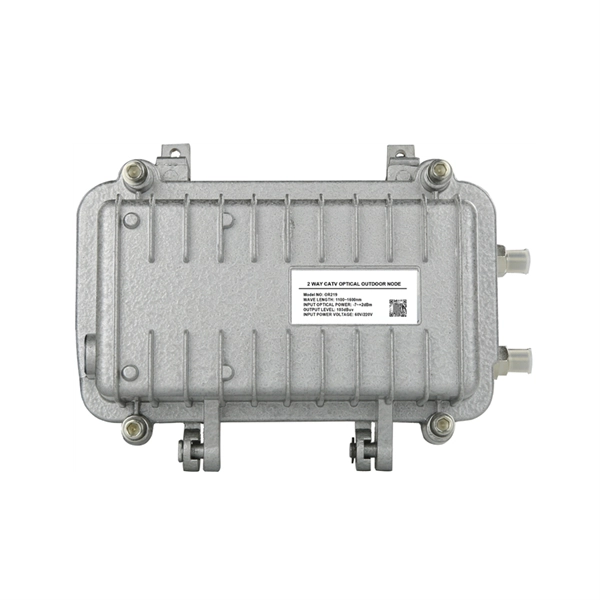
Why are fiber optic patch cords so soft
A fiber-optic patch cord is constructed from a core with a high refractive index, surrounded by a coating with a low refractive index, that is strengthened by aramid yarns and surrounded by a protective jacket. Unlike backbone cables, patch cords are frequently connected...
[PDF Version]
-
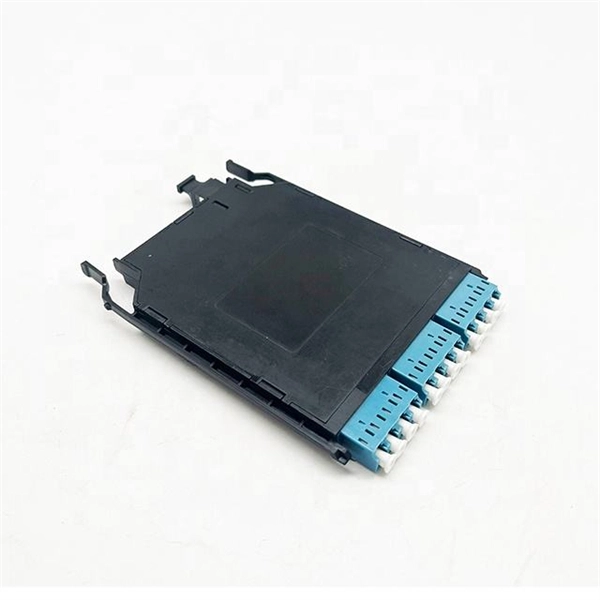
Why not use a cold connector for fiber optic internet access
Connectors are the vulnerable points in a fiber network. Studies and industry research (from sources such as the FCC and IEEE) indicate that extreme cold can affect connectors by causing water ingress to freeze, leading to physical deformation. This method is essentially...
[PDF Version]
-
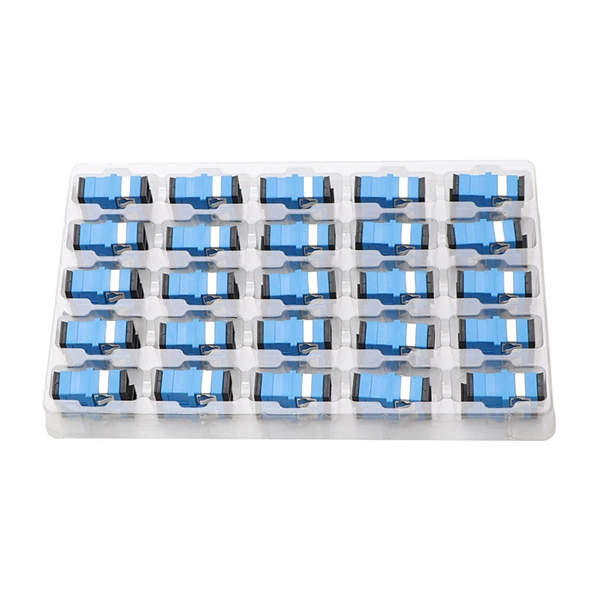
Why is there a problem with the splice box in the optical cable
Signal loss can occur in Fiber Optic Splice Closure (FOSC) due to various reasons such as dirty connectors, broken fibers, or loose connections. To troubleshoot this issue, you can try the following: Inspect the connectors for dirt or damage. Damage to the cable can cause...
[PDF Version]
-
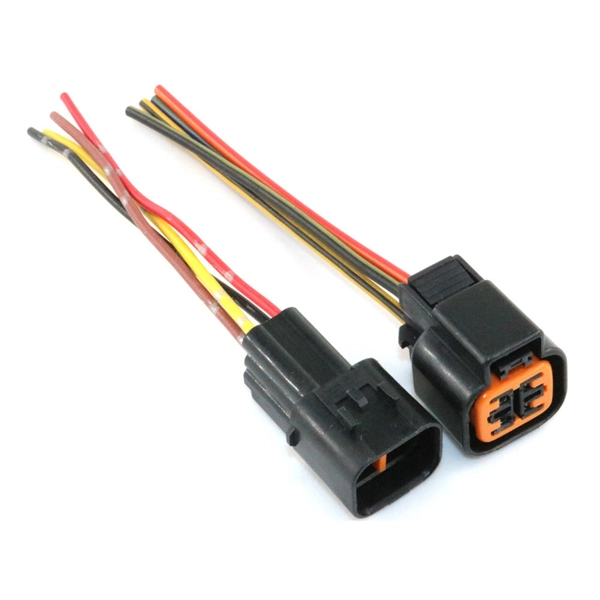
Reasons why pigtail splicing fails to enter the V-groove
Likely due to misalignment of fibers because of dirty V-grooves or not calibrating the equipment correctly—clean the V-grooves and recalibrate the equipment. More often than not, quick resets and maintenance can restore performance right on the job, minimizing downtime. There...
-
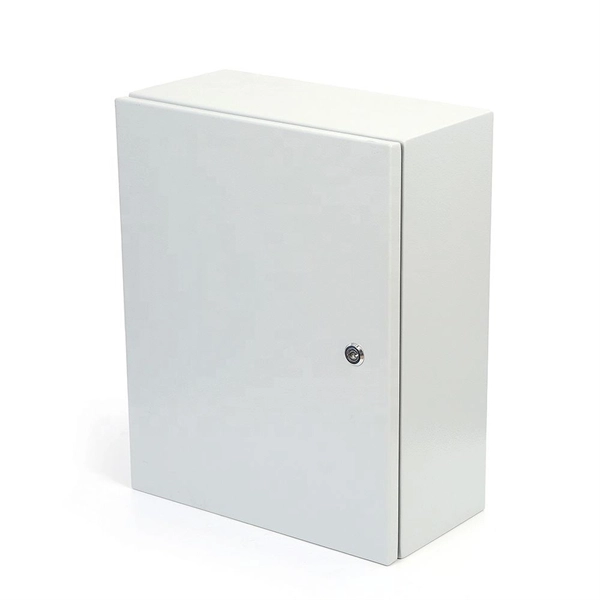
Why use a secondary distribution box
In automotive applications, secondary distribution supplies power to electronic control units (ECUs) through relay-and-fuse boxes, ensuring seamless operation of modern vehicles. From the transformer's low-voltage side (0. 4kV), power is distributed to a main distribution...
-
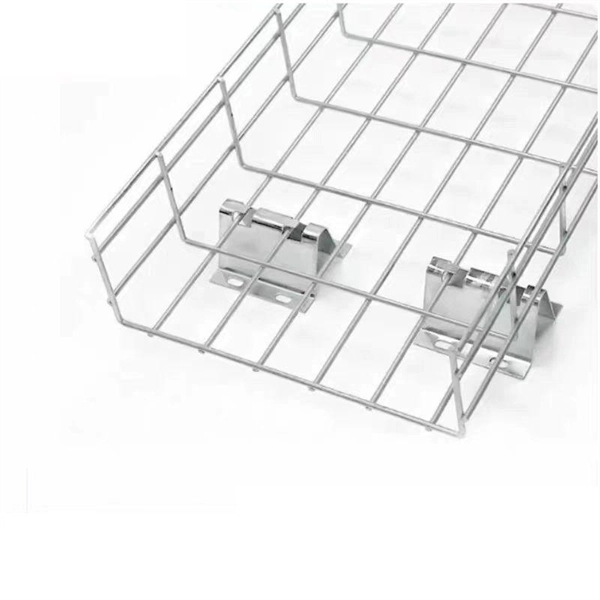
Why are cables run through cable trays
A cable tray is an organized support structure designed to secure and route these insulated electrical cables. It acts as a dedicated pathway for power distribution and data transmission, often supporting cables hidden behind walls or above ceilings. Unlike conduit systems...
-
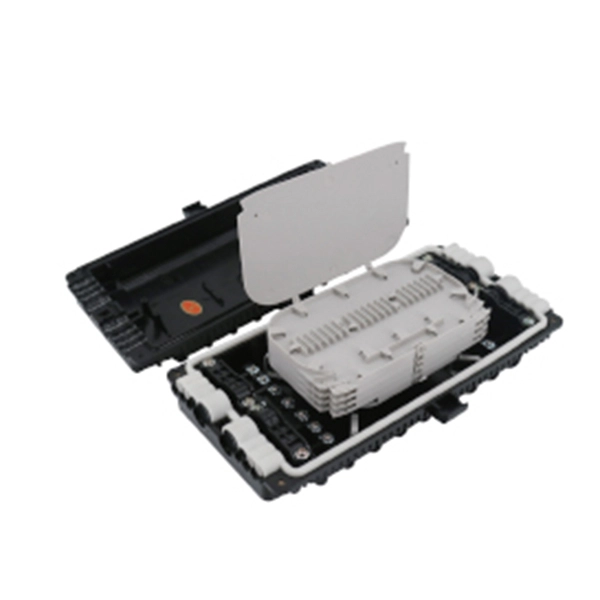
Why is the fiber optic sensor still lit even though it seems to be missing components
Inability to Detect Faults: The test light may not be able to pinpoint breaks or bends in the fiber. Explore these possibilities: Incorrect wavelength setting (if applicable). Dirty or damaged fiber optic connectors. This guide will walk you through diagnosing and resolving...
[PDF Version]
-
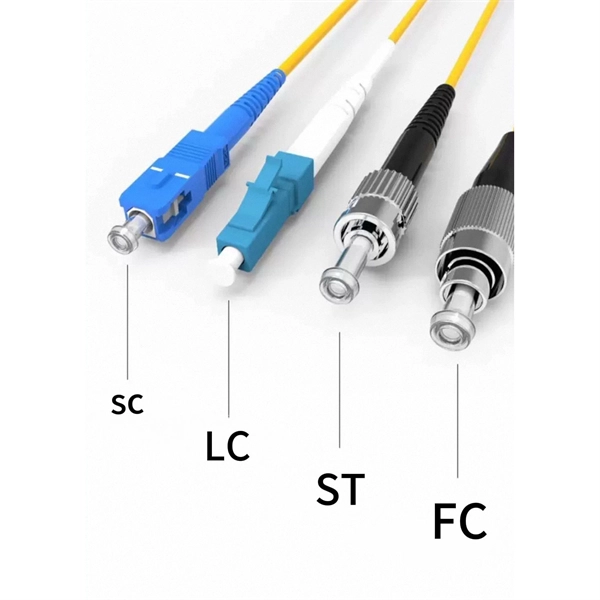
Are pigtails used in pairs Why
Pigtails act as bridges, allowing you to connect several wires to a single point without overloading connections. Why does this matter? Modern systems demand precision. By combining factory-installed connectors with spliced bare fiber, pigtails ensure that network installers...
-
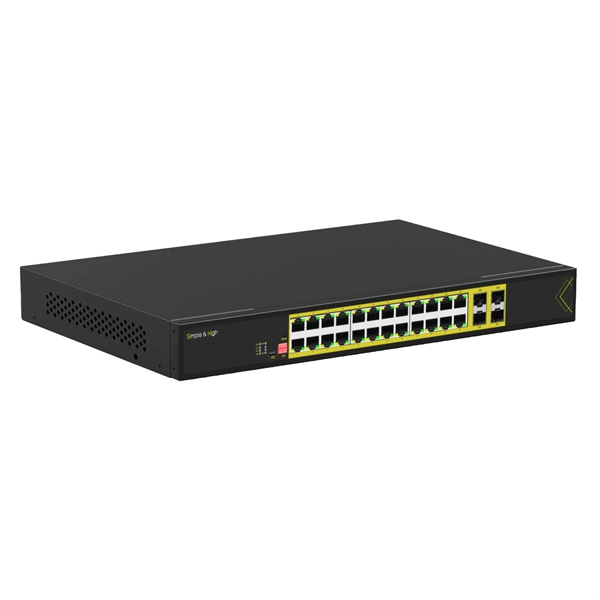
Why are electrical cables inferior to optical cables
Optical interconnects deploy fiber optic cabling to achieve the linkage whereas electrical interconnects use traditional copper wiring. It's composed of several parts such as the cable core, reinforced steel wire or other strength member, filler and sheath. This fundamental...
[PDF Version]