
Setting Calculation Method And Protection Coordination For Relay
Search optical fiber, connectivity, cable management and network infrastructure references.
-
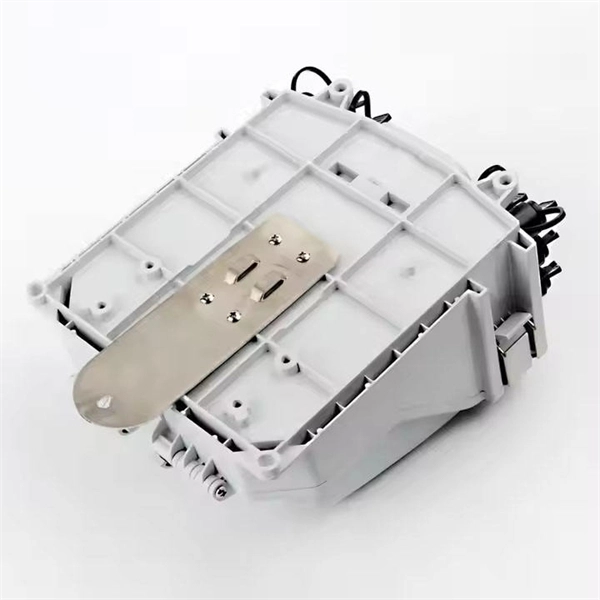
Relay protection setting coordination
Relay coordination refers to setting protective devices so that the relay closest to the fault operates first, while upstream relays act as backups. Relay coordination is one of the most critical aspects of electrical power system protection. The protective philosophy is...
[PDF Version]
-
Relay protection setting calculation unit
Use this Protection Relay Setting Calculator to calculate pickup current, time multiplier settings (TMS), operating time, coordination time interval (CTI), and plug setting multiplier (PSM) using fault current, CT ratio, and IEC 60255 curve parameters. This technical report...
[PDF Version]
-
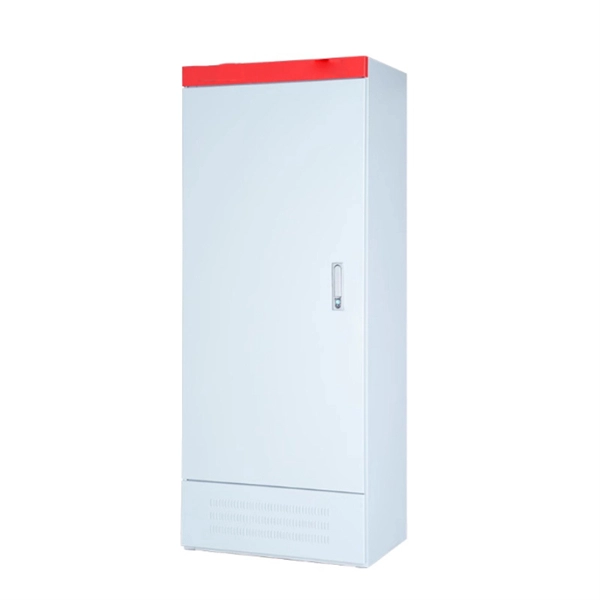
Calculation Rules for Cable Tray Lightning Protection Supports
Cable tray support quantity can be calculated using a simple formula: Support Quantity = Total Length ÷ Support Spacing + 1 20 ÷ 2 + 1 = 11 supports In a typical project, a 20-meter cable tray with 2-meter spacing requires 11 supports. This guide covers the critical steps...
[PDF Version]
-
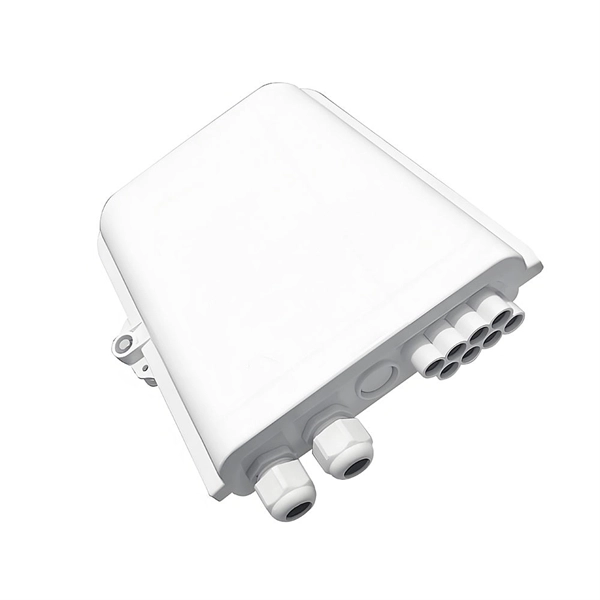
Installation Method of Optical Cable Protection Pipe
One of the simplest, most cost-effective methods is using a PVC Split Pipe, also called Split PVC Conduit, to shield direct burial drop cables at exposed or high-risk points. This article will explain what it is, how it works, where it's needed, and why it's vital for...
[PDF Version]
-
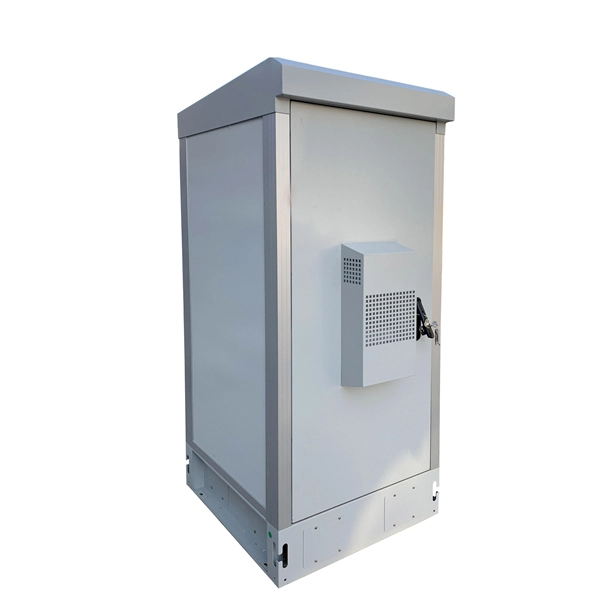
Relay protection setting overcurrent stage
Threestage overcurrent protection (Ⅰ, Ⅱ, Ⅲ) ensures selective, fast, and reliable fault clearance in power systems. This guide explains its necessity, coordination logic, and stepbystep setting methods for each stage. Selective short-circuit protection can be achieved in...
[PDF Version]
-
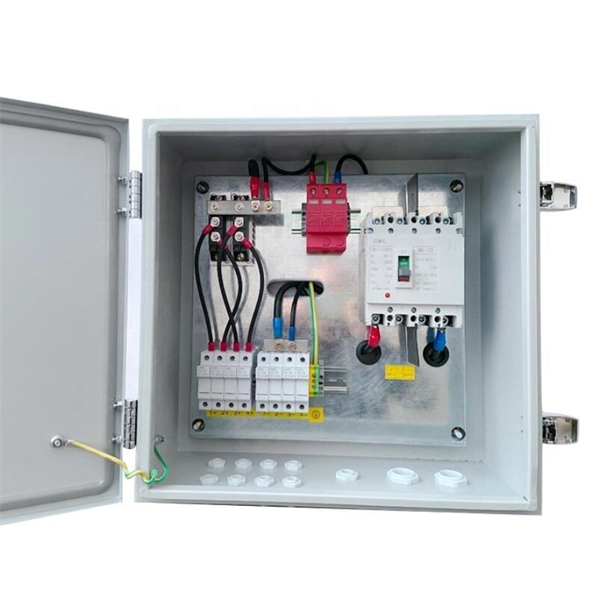
Calculation Method for Distribution Box Housing Dimensions
Accurate Electrical Box Size Formula: Simplify Your Projects with Precise Calculations The formula for calculating electrical box size is: [ BS = (N times D) + A ] Where: ( BS ) is the box size in cubic inches. ( N ) is the total number of conductors. Whether for residential...
[PDF Version]