
Fiber infrastructure reference
Fiber-optic cable
OverviewDesignPerformanceCable typesColor codingHybrid cablesInnerductsSee also
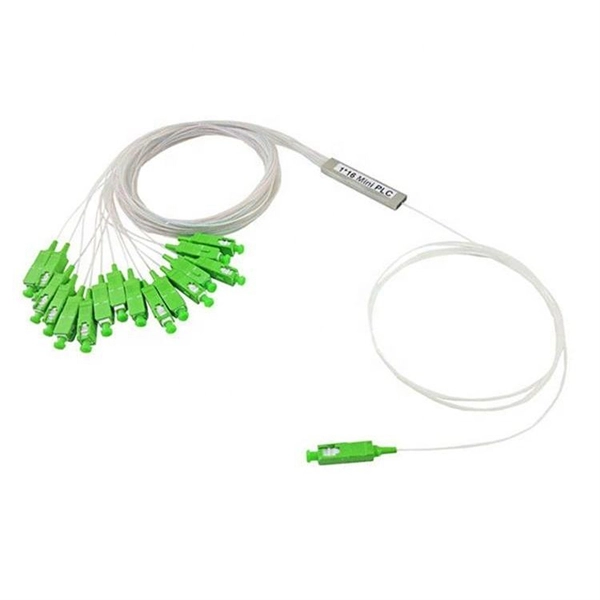
A fiber-optic cable, also known as an optical-fiber cable, is an assembly similar to an electrical cable but containing one or more optical fibers that are used to carry light. The optical fiber elements are typically individually coated with plastic layers and contained in a protective tube suitable for the environment where the cable is used. Different types of cable are used for fiber-optic communication in different applications, for exa
How optical communication cables work and how they
The optical signals are launched through a joint into an optical fibre, usually incorporated into a cable. Light emitting from the fibre is converted back
Fiber Optics and Types
Fiber optic cables are used for long-distance and high-performance data networking. They are capable of transmitting data over longer distances and at higher bandwidths (data rates) than
What Is an Optical Cable? Uses, Types, and Selection
Learn what an optical cable is, how it works, where it''s used, and how to choose the right fiber optic cable for custom industrial and OEM
Unraveling the Differences: Understanding Optical Cables and Their
Optical cables and copper cables are two widely used types of transmission mediums in today''s technology-driven world. The primary difference between them lies in the method of
Difference between Optical Fiber and Coaxial Cable
As both Optical Fiber and Coaxial Cable are guided transmission media which transmit data signals through wired medium, the difference between them is depend upon the structure, way
Fiber Optic Cable Types: A Complete Guide
The plethora of fiber optic cable types can seem overwhelming, but choosing the right cable for the job is important.
Types of cable:, Uses, Benefits, and challenges
Explore types of cables—electrical, communication, fiber-optic, coaxial, USB, and telephone—their uses, benefits, and challenges.
Fiber Optic Cable Types Explained
Our comprehensive guide to types of fiber optic cables. Learn all about the differences between single mode and multimode cables, as well as the various fiber wavelengths and standard core sizes used
Fiber Optic Cables | Corning
Corning''s invention of the first low-loss optical fiber ignited the critical spark that began a communications revolution that forever changed the world. Today, there
Network Cable | LAN CABLE | Networking Patch Cord
Owire Group has developed into a network cable, fiber optic cable,optical accessories products R&D and manufacturing. Our products
4-Core Single mode Fiber Optic Cable
4-Core Single mode Fiber Optic Cable also called 4-core Optical fiber cable,is a type of communications optic cable which has the same transmission speed as
Outdoor Fiber Optic Cable | Outside Plant Fiber (OSP) Cable
Fiber optic cables for outdoor applications are engineered to withstand the more demanding conditions seen outside, from environmental extremes to mechanical forces. These are the outdoor fiber optic
ADSS Fiber Optic Cable Specifications Explained | Structure
Explore the complete specifications of ADSS fiber optic cables, including structure details, mechanical performance, optical characteristics, and environmental resistance. Learn how to choose
Direct Buried Fiber Optic Cables | Optical
Ribbon cables offer higher fiber counts and greater fiber density than any other cable construction designed for the outside plant (OSP), up to eight times the
Fiber Optic Cable Components & Materials: Complete
Fiber optic cables have taken the position as the major transport medium in modern high-speed communication systems. In addition to this, they
China Indoor Optical Cable, Outdoor Optical Cable,
Hengtong Optic-Electric Co.,Ltd: We''re well-known as one of the leading indoor optical cable, outdoor optical cable, fiber optic patch cord, optical fiber, flat optical
Corning® ALTOS® Loose Tube Fiber Optic Cables
Corning ALTOS® cables provide stable performance over a wide temperature range and are compatible with any telecommunications-grade optical fiber.
Related Video Reference
This video was associated with the source search result. Verify technical details against current product documentation and project requirements.