
Optical Transceivers Turning Data Into Light
Search optical fiber, connectivity, cable management and network infrastructure references.
-
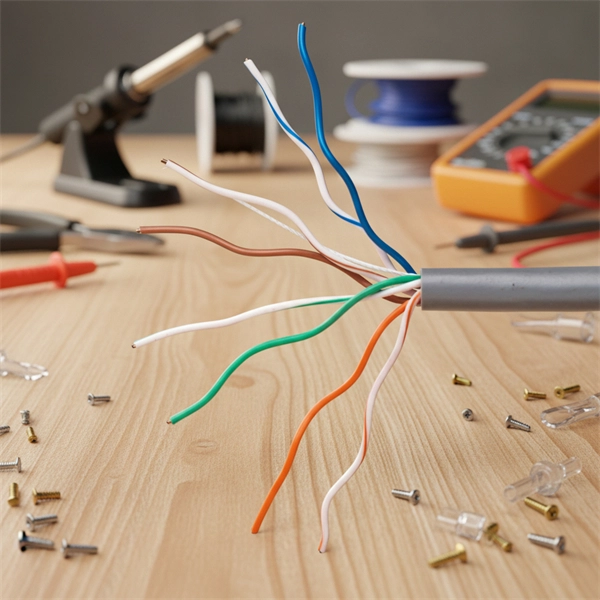
Ethernet Passive Optical Networking Optical Light
Abstract— We introduce optical local-area network (LAN) architectures based on multimode optical fiber and components, short wavelength lasers and detectors, and the widely used fast Ethernet protocol. While there are many subtle differences, a clear distinction between...
[PDF Version]
-
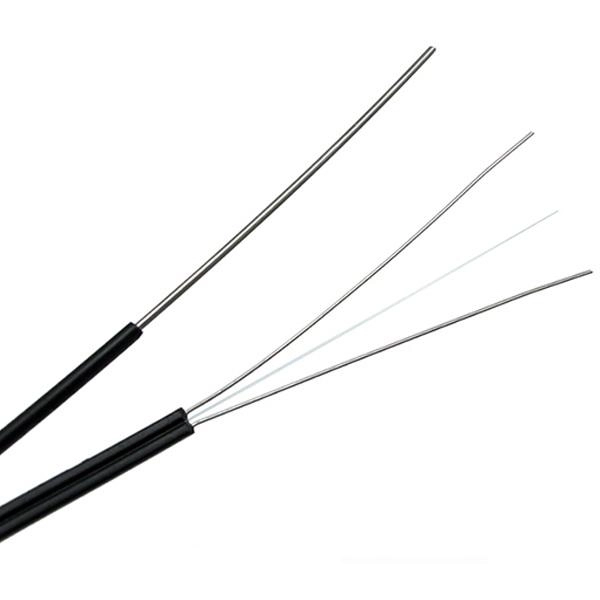
Can single-mode single-core optical fiber transmit data
OS1 single mode fiber optic cables are made with a single mode fiber core, which means that they have a very small core diameter of 9 microns. This allows the cables to transmit data over much longer distances than multimode fibers, with less signal loss and better quality...
-
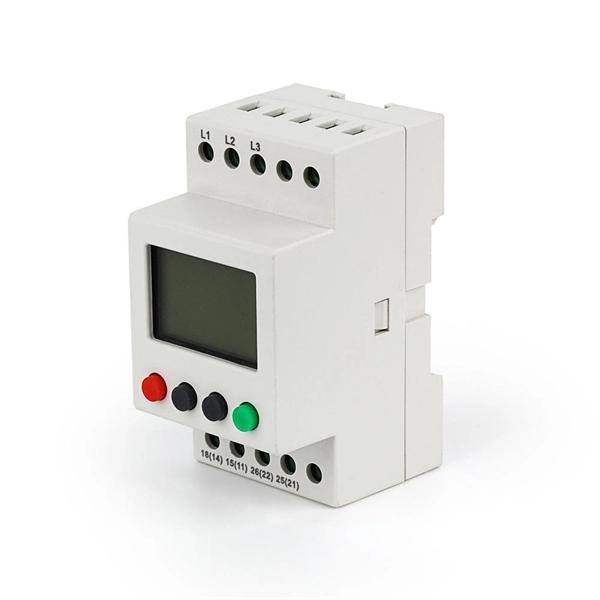
How to test the light emission and light reception of an optical module
In practice you'll use two complementary tools — an optical power meter (with a stable light source or the transceiver's own transmitter) to measure absolute power and end-to-end loss, and an OTDR to locate events, splices and reflectance along the fiber. Testing these...
[PDF Version]
-
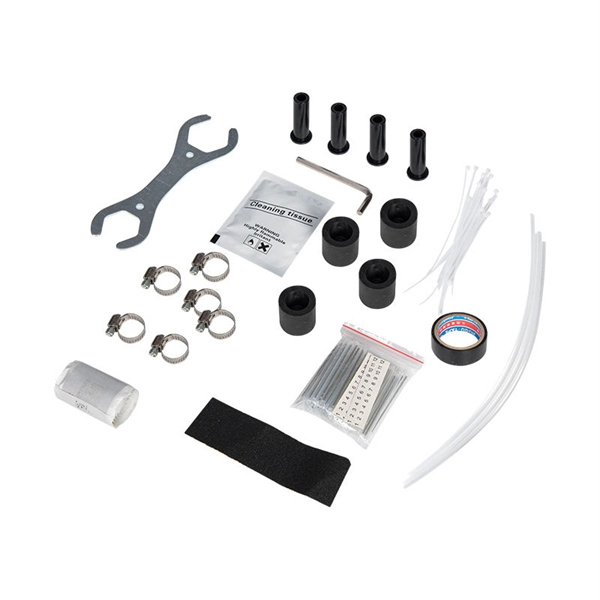
How to use a light sensor to detect optical fibers
By injecting the light from a visible source, such as a LED, laser or incandescent bulb, one can visually trace the fiber from transmitter to receiver to ensure correct orientation and check continuity besides. Optical fiber sensors present several advantages in relation to...
-
Mobile optical power meter red light pen
The Y3 Handheld Optical Power Meter & Red Light Pen All-in-One Series is a professional tool designed for continuous optical signal power measurement and fiber continuity testing. Controlled by a high-performance microprocessor, it ensures accurate and efficient fiber-optic...
-
Optical modules emit colored light
The wavelength range used in optical communication is 850 ~ 1650 nm, and the optical module emits “color light” or “white light”, which are invisible to human eyes. This means gray and color light modules do not emit gray or colored visible light — the names refer to...
[PDF Version]
-
What is optical fiber light absorption
Absorption is a fiber optic loss type related to both the material composition and the fabrication process for the fiber. It refers to the attenuation that occurs when optical power is converted into another form of energy, such as heat. Such fibers are widely used in...
[PDF Version]
-
Is the light source and optical power meter a complete set
An Optical Loss Test Set always consists of two components: an Optical Light Source (OLS) and an Optical Power Meter (OPM). The OLS injects a defined optical signal into the fiber at a specified wavelength, with minimal insertion loss, allowing accurate measurement at the far...
-
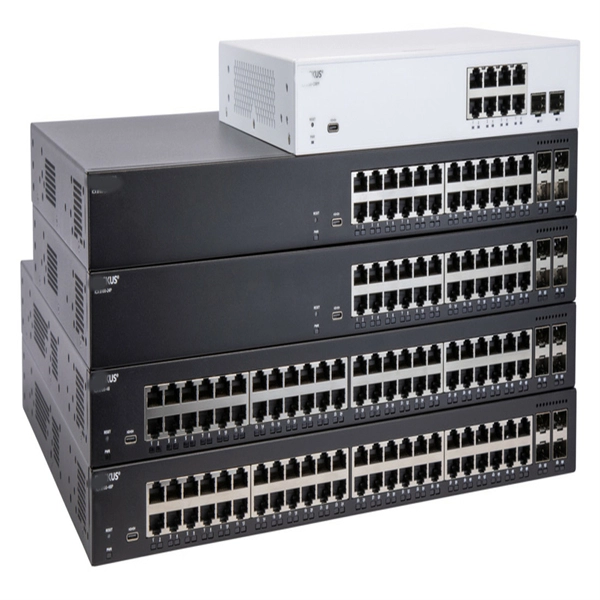
Is the optical module based on visible light
One of the main characteristics of VLC is the incapacity of light to surpass physical opaque barriers. This characteristic can be considered a weak point of VLC, due to the susceptibility of interference fro.
-
Selection Guide for Long-Distance Optical Transceivers OSFP for Local Area Networks
An engineer-focused, “just tell me what to choose” guide to transceiver selection with architecture, power budget, compatibility, and upgrade plan — designed for 25G/100G today and 400G/800G tomorrow. The OSFP form factor has emerged as the leading solution for...
[PDF Version]
More from the technical library
- Dimensions of U-shaped steel cable trays for railway communication
- Underground fiber optic cable removal
- 100G Optical Module Devices
- Distance requirements for electrical and instrumentation cable trays
- Haiti Fiber Optic Trench
- Relay Protection Test Instrument Model
- How far is the cable tray from the stairs