
Fiber infrastructure reference
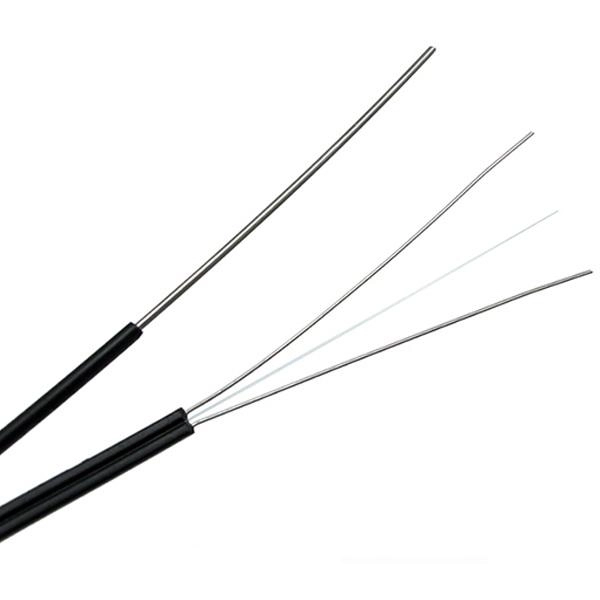
The Key Differences Between 1-core, 2-core, Single
Single Mode fibers have a smaller core, allowing light to travel in a single, straight path, ideal for long distances with less signal loss. Multi-mode
Single-Mode Optical Fiber
Modes of light can only propagate through single-mode fiber optic cables due to their small core diameters. As a result, the amount of light
Can Single Mode Fiber Transmit And Receive Simultaneously
Unlike multi-mode optical fiber, single-mode fiber does not exhibit modal dispersion. This is due to the fiber having such a small cross section that only the first mode
Multi-Core vs. Single-Core Fiber: Differences & Applications
MCF can transmit much more data than SCF because each core can independently carry a data signal, enabling parallel transmission. Instead of deploying multiple single-core fibers, MCF can reduce the
Fiber Optic Cable Types Explained
OS1 single mode fiber optic cables are made with a single mode fiber core, which means that they have a very small core diameter of 9 microns. This allows the
Single Mode vs Multimode Fiber Explained | TRG
Single mode fiber uses a very small core, typically around 8 to 10 microns in diameter, allowing only one path or mode of light to travel through the cable. This
The Difference Between Single/Dual Fiber and
Single fiber modules—often called bidirectional (BIDI) transceivers—transmit and receive signals over a single optical fiber by using
Multimode vs Single Mode Fiber Optic Cables: A Complete Guide to
Learn the differences between multimode (OM1-OM5) and single mode (OS1-OS2) fiber optic cables—speed, distance, applications, and how to choose the right one for data centers and
Understanding Single Mode Fiber Optic Cable: A
A: Unlike multimode fiber, which has a larger core and is optimized for shorter distances, single-mode fiber has a smaller core, which increases data
Understanding Single Mode Fiber Optic Cable: A
Single-mode fiber is a common choice for high-speed networks because it can transmit data over long distances with negligible loss and
Fiber Optics Part 2: Single-Mode Fiber vs. Multi-Mode
Older multi-mode fiber used low-cost light emitting diodes (LEDs) to transmit their light signals. One of the earliest multi-mode fibers, Optical Multi
Singlemode vs Multimode Fiber Optic Cable
Singlemode fiber optic cable, as the name suggests, allows only one mode of light transmission. It features a very small core diameter, typically
What Is Single Mode Fiber and How Does It Work
Single mode fiber uses a small core to transmit one light path, enabling high-speed, long-distance data with minimal signal loss and low
Single Mode vs Multimode Fiber Explained | TRG
Understand the difference between single mode and multimode fiber, including performance, cost, and use cases, to choose the right fiber for your network.
Understanding Single Mode Fiber: 2024 Updated Guide
Understanding Single Mode Fiber What is single mode fiber? Single mode fiber (SMF) is a type of optical fiber that allows only one mode of light to
Single-Mode Fiber-Optic Cabling:
Explore the high-speed world of single-mode fiber-optic cabling, where data travels on beams of light, offering unparalleled efficiency.
Single Mode vs Multimode Fiber: What''s the difference?
A Multimode Fiber Optic cable is the counterpart to Single Mode in Fiber Optic cables. The core of a Multimode cable is much larger, allowing
Single Mode Fibers
As single-mode transmissions avoid modal dispersion, modal noise, and other effects that occur with multimode transmissions, single-mode fibers can carry signals at considerably higher speeds as
Related Video Reference
This video was associated with the source search result. Verify technical details against current product documentation and project requirements.