
Optical Switches For Next Generation Data Center
Search optical fiber, connectivity, cable management and network infrastructure references.
-
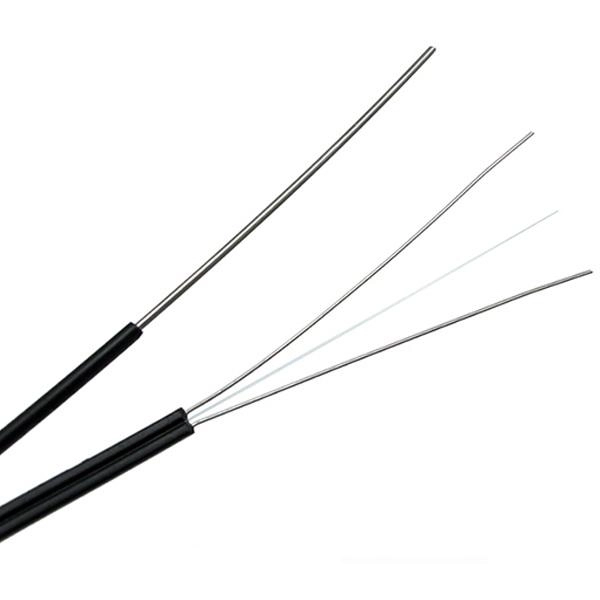
Can single-mode single-core optical fiber transmit data
OS1 single mode fiber optic cables are made with a single mode fiber core, which means that they have a very small core diameter of 9 microns. This allows the cables to transmit data over much longer distances than multimode fibers, with less signal loss and better quality...
-
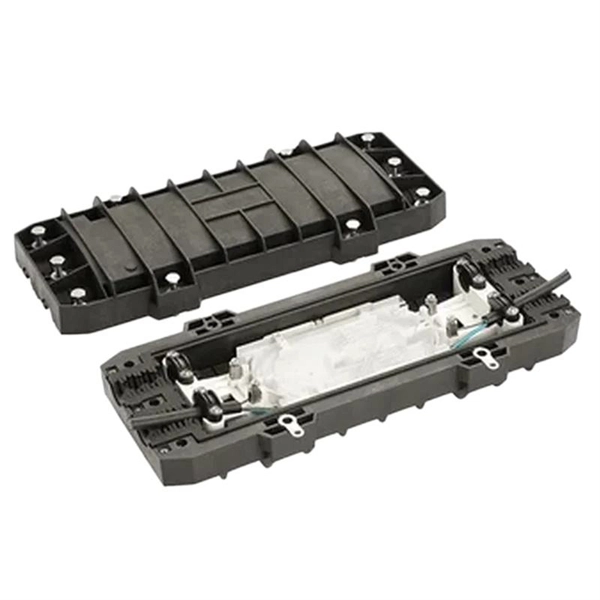
Price of wiring for optical port switches
Building SpecificationsThe floorplan and construction of the building where the network installation takes placegreatly impact cost. Depending on th.
-
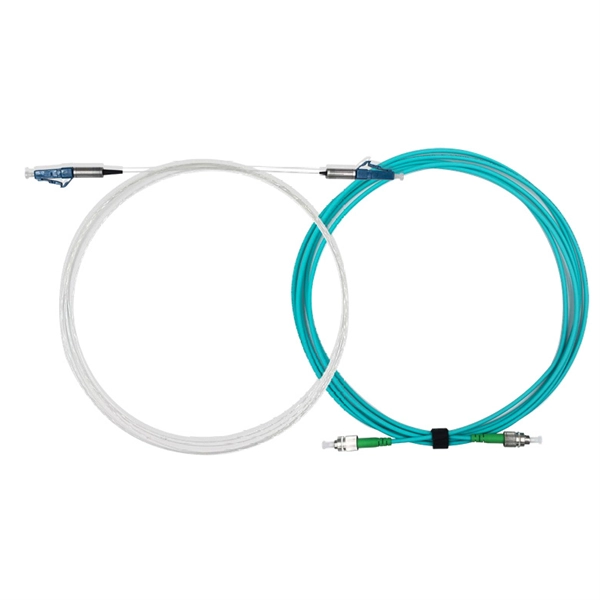
Switches are divided into optical ports and electrical ports
Common optical port types for switches include 155M, 1. 25G, 10G, 25G, 40G, and 100G. Switches come in three types: those with only electrical ports, those with only optical ports, and those with a mix of both electrical and optical ports. There are two main port types...
-
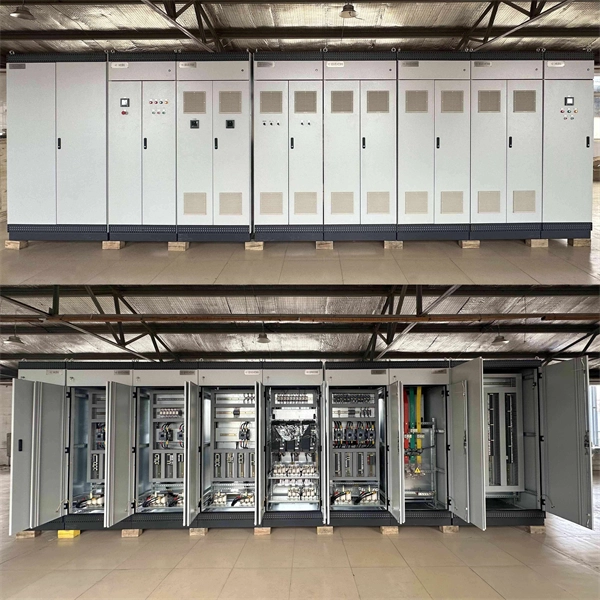
How to connect optical switches in series
Yes you could connect the switch outputs in series. emitter of the first is the common negative terminal and the collector goes to the emitter of the second switch and so on with the final collector going via a suitable resistor to the positive supply. Also, we will learn how...
-
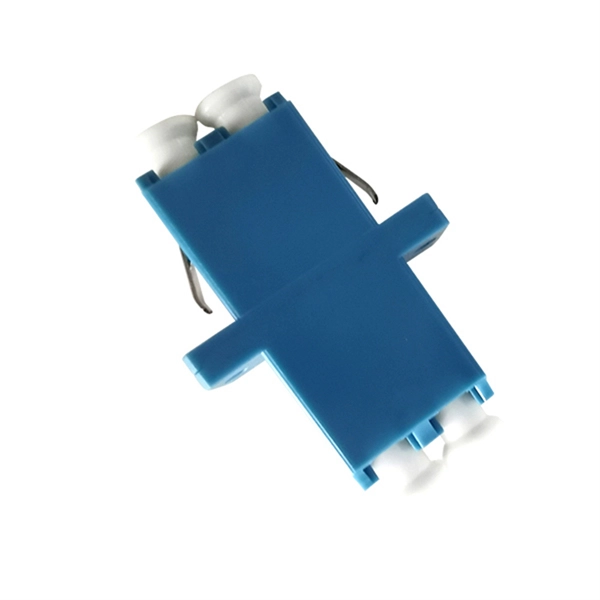
Types of Optical Port Modules for Switches
Common optical module types such as SFP, GBIC, XFP, and XENPAK, along with optical interfaces like FC, SC, and LC, each have their unique characteristics that make them suitable for specific application scenarios. The performance of a network is heavily dependent on the...
[PDF Version]
-
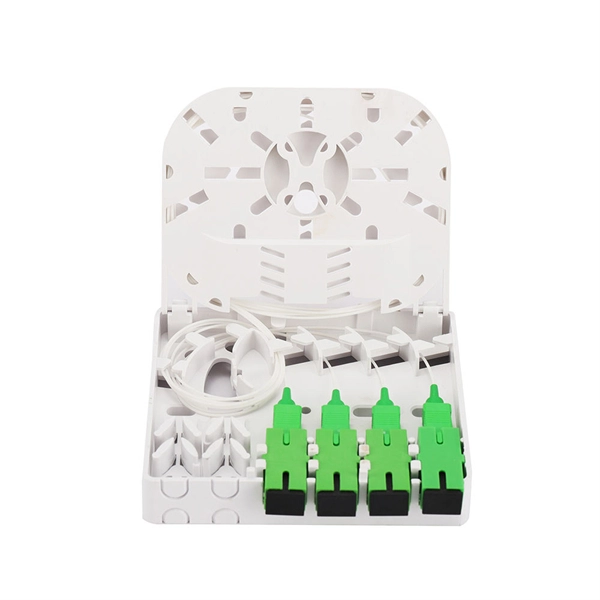
Configuration of Layer 3 Switches in IUV Core Data Center
The multi-tier model is the most common model used in the enterprise today. This design consists primarily of web, application, and database server tiers running on various platforms including blade serv.
-
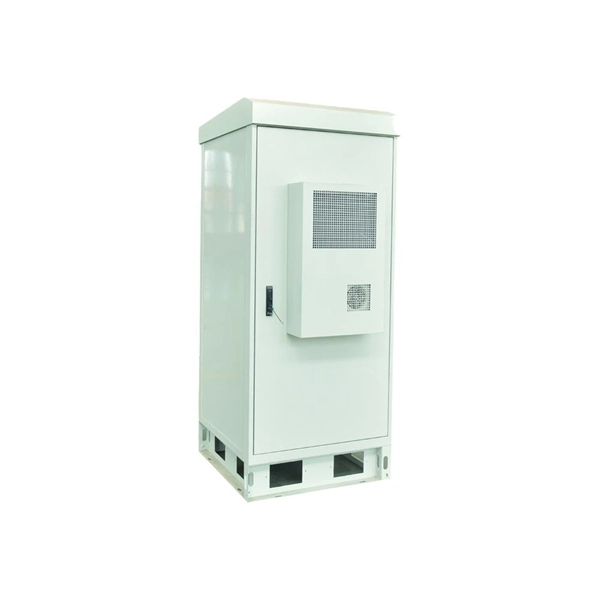
Are optical switches and regular switches different
Mechanical switches rely on physical metal contact, while optical switches use a light-based sensor to detect actuation. That difference affects speed, feel, sound, durability, and the kind of user each switch suits best. Their operation is rooted in a simple yet effective...