
Optical Chip Basics
Search optical fiber, connectivity, cable management and network infrastructure references.
-
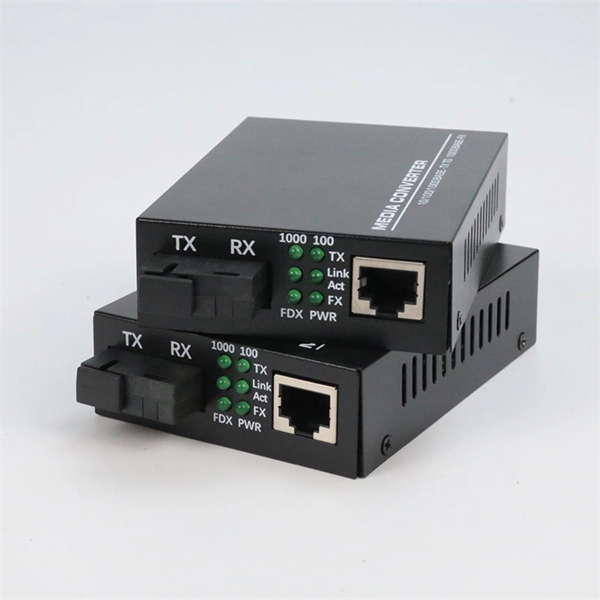
Photoelectric conversion chip optical module
As an important part of fiber-optic communication, an optical module is a photoelectric converter which converts electrical signals into optical signals and vice versa. An optical module works at the physical layer of the OSI model and is one of the core components in the...
[PDF Version]
-
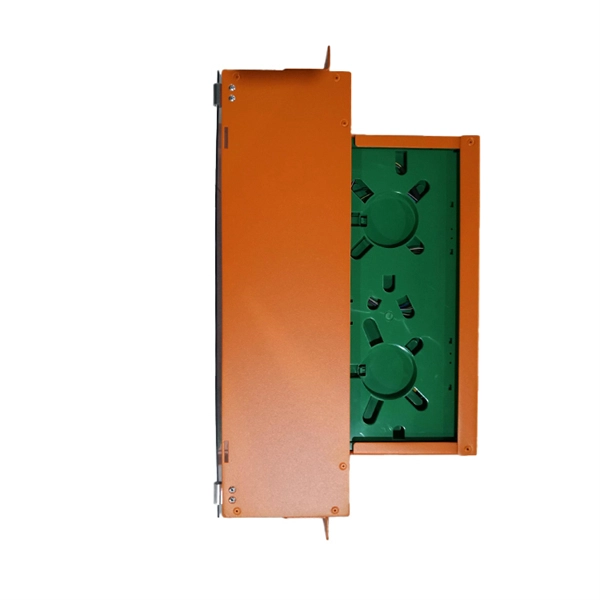
Temperature control chip in optical module
Temperature Sensor ICs or Thermistors (NTC chips) – placed near the laser junction or the cold side of the TEC to sense temperature variations and provide feedback to the control circuitry. There are essentially two types of chips used for thermal sensing in optical modules...
[PDF Version]
-
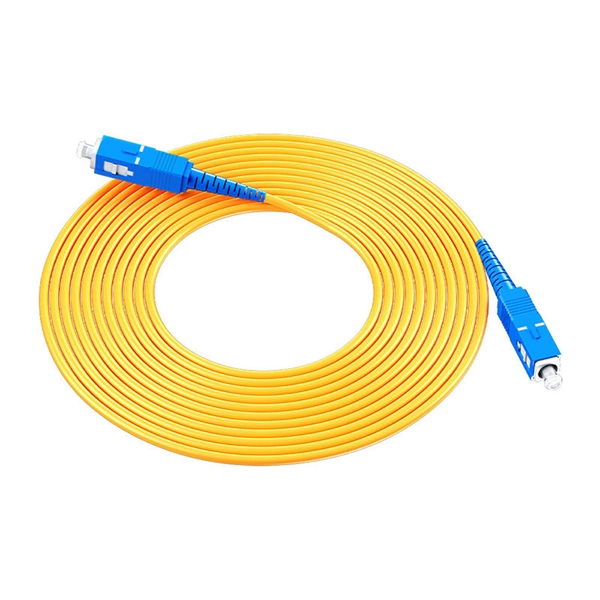
Principle of ASIC Chip Optical Module
An Optical Control ASIC is a custom-designed chip that performs control and signal processing functions specifically for optical communication systems. At its core, silicon photonics involves the use of silicon as a medium for transmitting and manipulating light signals...
[PDF Version]
-
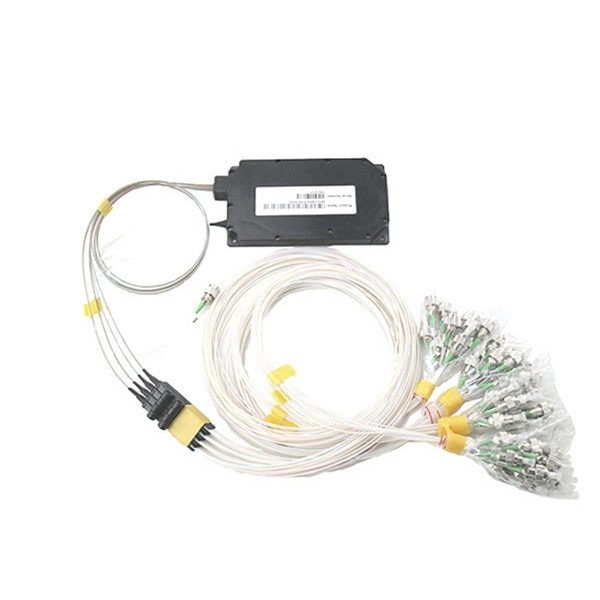
Chip Optical Module Semiconductor
A photonic integrated circuit (PIC) or integrated optical circuit is a containing two or more components that form a functioning circuit. This technology detects, generates, transports, and processes light. Photonic integrated circuits use (or particles of light) as opposed...
[PDF Version]
-
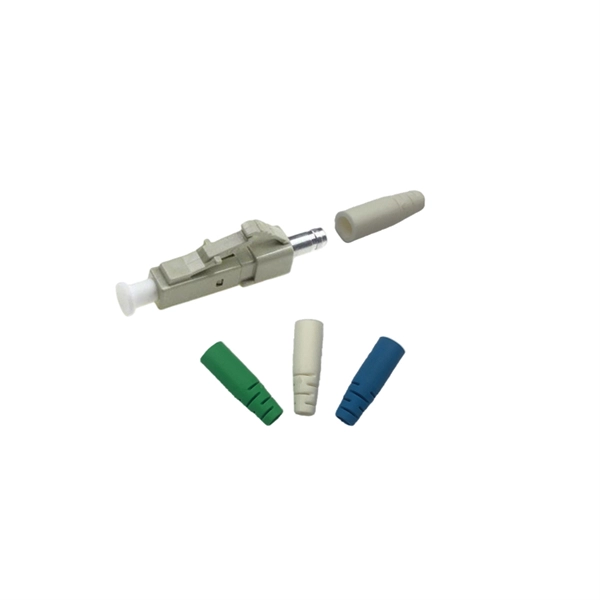
Does an optical module belong to a computing chip
There have been multiple variants of the electrical interface of optical modules that have been used over the years. The earliest forms of optical modules had an analog electrical interface. In the transmit direction, the optical module would directly drive the laser or LED...
[PDF Version]
-

Is it necessary for optical distribution boxes to have handholes
Handholes are frequently used to provide access to cable splices and slack storage coils. Handhole & Manhole in Fiber Optic Networks Fiber optic networks form the backbone of modern telecommunication systems, enabling high-speed data transmission across long distances. To...
[PDF Version]
-
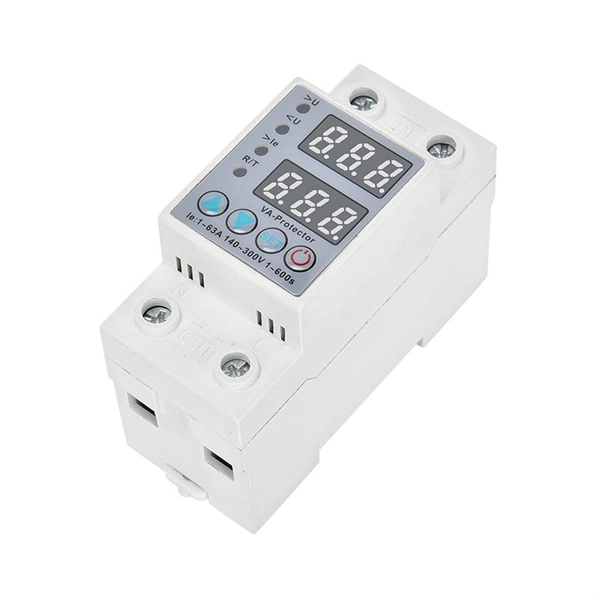
How is the sheath of a communication optical cable separated
This flexible insulating material is also called a sheath, typically a soft plastic material. On single-fiber cables (as diagramed above), this jacket OD is usually 2-3mm in diameter and can be stripped using common wire strippers of the appropriate gauge. The sheath is...
[PDF Version]
-
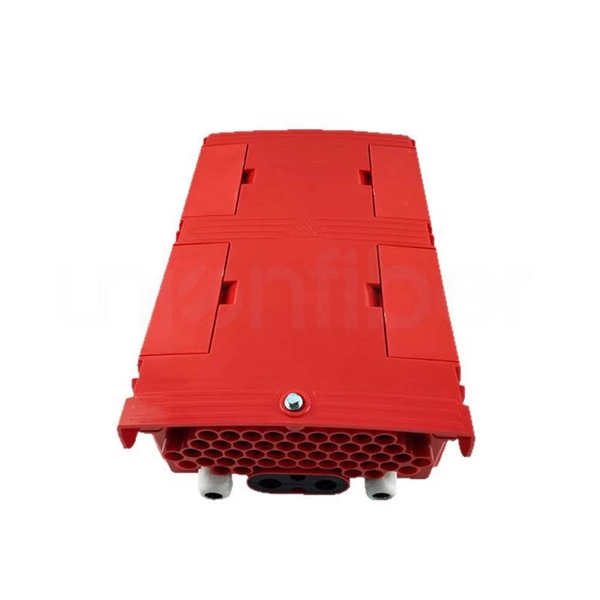
Methods for Laying Bundle-Shaped Indoor Optical Cables
This article examines common methods for installing indoor optical fiber and outlines the requirements for the job. OPGW, all-dielectric self-supporting cable, and OSFP 400G transceivers are part of modern SDGI, so we'll also discuss it. The objective of this document is to...
[PDF Version]
-
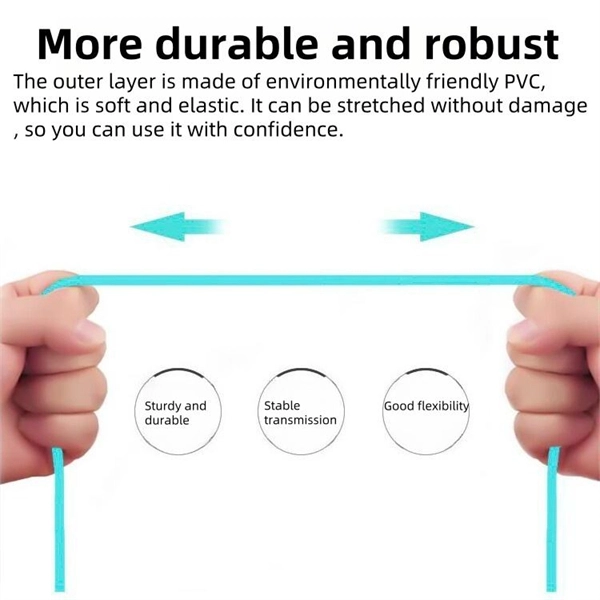
Can optical cables be bent and are used with connectors
Fiber optic cables are designed to withstand some bending, but excessive bends can physically damage the glass fiber or cause significant signal loss. That's why every fiber cable has a minimum bend radius specification provided by the manufacturer. To ensure optimal service...
[PDF Version]
-
Ivory Coast Long-Distance Optical Cable G 652
The standard specifies the geometrical, mechanical, and transmission attributes of a single-mode optical fibre as well as its cable. The fibre has zero-dispersion wavelength around 1310 nm as per how it was designed, however it can also be used in the 1550 nm wavelength region.
More from the technical library
- Intelligent Manufacturing of Power Distribution Cabinets
- Nationwide OPGW Optical Cable Manufacturers
- Kenya Network Cabinet Manufacturer Wholesale
- Application of 12-core Fiber Optic Cable for Smart Buildings in Japan
- How to connect the ground wire to the fusion splice junction box
- Sit-up Bridge
- Cable tray tee angle