DOLPHIN FIBERNetwork equipment for Africa Send a project enquiry
Fiber network equipment / Technical library Optical reference library

Chip Optical Module Semiconductor

Jump to a section
Source context

AI source overview

Optical module chips are semiconductor devices that enable high-speed data transmission by converting electrical signals to optical signals and vice versa, forming the core of modern fiber-optic communication systems.

Overview and Function

Optical module chips are essential components in optical transceivers, which facilitate high-speed data transfer in telecommunications and data centers. They perform electro-optical conversion, bridging electrical semiconductor chips and fiber-optic networks. These chips are not primarily for computation but for signal conversion and high-bandwidth communication.

They are critical in supporting 400G, 800G, and next-generation 1. 6T/3. 2T optical modules.

Key Semiconductor Components

Optical modules integrate multiple semiconductor chips, each with specialized functions: DSP Chips (Digital Signal Processors): Act as the “brain” of the module, performing signal equalization, PAM4 encoding/decoding, clock recovery, and channel compensation. Leading suppliers include Broadcom and Marvell Technology, with advanced nodes like 3nm for high-speed applications. Driver Chips: Analog/mixed-signal chips that drive optical transmitters, typically manufactured on 28nm or 40nm nodes.

TI

A (Transimpedance Amplifiers): High-precision analog chips in the receiver path, ensuring signal integrity.

MC

U (Microcontroller Units): Manage system-level operations for stable module performance.

Optical Chip Subsystems

Optical modules also include photonic devices forming the optical chip subsystem: Laser Chips: Generate light for data transmission. Types include VCSELs (Vertical-Cavity Surface-Emitting Lasers) for low-power, high-speed applications, and DFB (Distributed Feedback) lasers for single-mode, wavelength-division multiplexing systems. Detector Chips: Convert incoming optical signals back into electrical signals.

Common types include PIN photodiodes, valued for high sensitivity and broad bandwidth. Photonic Integrated Circuits (PICs): Microchips integrating multiple photonic components, often using indium phosphide (InP) or silicon photonics (SiPh) platforms.

PI

Cs can combine lasers, detectors, modulators, and waveguides on a single chip, enabling compact, high-performance optical modules.

Market Trends

The global optical module chip market was valued at $823 million in 2024 and is projected to reach $1. 52 billion by 2032, growing at a CAGR of 8%. Growth is driven by: Exponential data traffic and cloud computing demands.

5G network deployments and hyperscale data center expansion. High-speed optical modules (400G, 800G, and beyond) requiring advanced laser, detector, and DSP chips. Major players investing in next-generation solutions include Coherent Corp, Lumentum, Accelink Technologies, Broadcom, and Marvell Technology.

Applications

Optical module chips are widely used in: Data center interconnects for high-speed cloud computing. Telecommunications networks supporting 5G and beyond.

A

I and high-performance computing infrastructures requiring massive data throughput. Sensing and LiDAR systems via photonic integrated circuits.

Summary

Optical module chips are high-performance semiconductor devices that integrate electrical and photonic components to enable ultra-fast data transmission. They are central to modern communication infrastructure, combining DSPs, driver chips, TIAs, MCUs, lasers, detectors, and PICs. Market growth is fueled by increasing data demands, 5G deployment, and cloud computing expansion, making them a critical technology in the semiconductor and optical communication ecosystem.

Research context

Reference summary

A photonic integrated circuit (PIC) or integrated optical circuit is a containing two or more components that form a functioning circuit. This technology detects, generates, transports, and processes light. Photonic integrated circuits use (or particles of light) as opposed to that are used by.

The major difference between the two is that a photonic integrated circuit provides functions for information signals imposed on wavelengths typically in the.

Additional context

Source notes

A photonic integrated circuit (PIC) or integrated optical circuit is a containing two or more components that form a functioning circuit. This technology detects, generates, transports, and processes light. Photonic integrated circuits use (or particles of light) as opposed to that are used by . The major difference between the two is that a photonic integrated circuit provides functions for information signals imposed on wavelengths typically in the

From reference to enquiry

Questions for your project

Use these editorial prompts alongside the linked excerpts. They identify items to confirm for your project.

Detailed reading / connection to installation

Fiber infrastructure reference
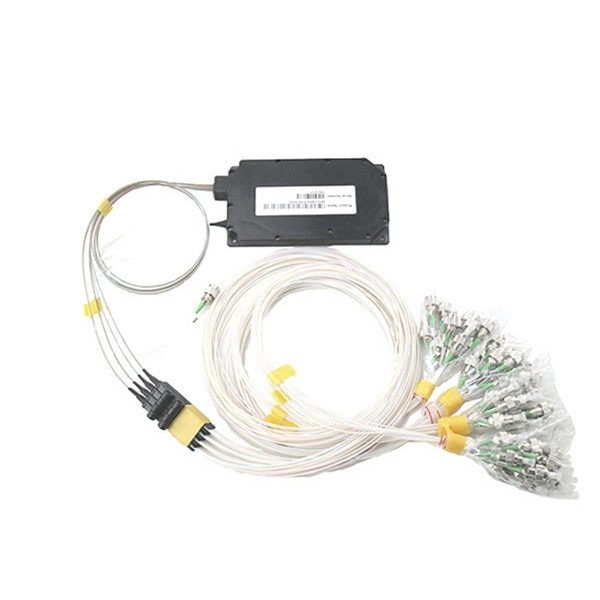
Chip Optical Module Semiconductor
Equipment illustration / verify against the selected product
Optical Chips: Types, Applications, and Future Trends

Optical chips are manufactured using advanced semiconductor processes, ensuring their reliability and longevity. This translates to optical

Optical Module Chip Market 2025

Optical module chips are semiconductor devices that enable high-speed data transmission in fiber optic networks. These components form the core of optical

Photonic integrated circuit

OverviewHistoryComparison to electronic integrationExamples of photonic integrated circuitsApplicationsTypes of fabrication and materialsCurrent status

A photonic integrated circuit (PIC) or integrated optical circuit is a microchip containing two or more photonic components that form a functioning circuit. This technology detects, generates, transports, and processes light. Photonic integrated circuits use photons (or particles of light) as opposed to electrons that are used by electronic integrated circuits. The major difference between the two is that a photonic integrated circuit provides functions for information signals imposed on optical wavelengths typically in the

Optical Module Chip Market, Trends, Business Strategies 2025-2032

Optical module chips are semiconductor devices that enable high-speed data transmission in fiber optic networks. These components form the core of optical transceivers,

Economic Watch: From optical modules to chips

The competitiveness of optical modules also largely hinges on the synergy of the complete upstream industrial chain, covering optical chips, ceramic packages and precision structural

Optical Module MCUs Become Critical as AI Data Centers Drive

MCU chips for optical modules emerge as a critical semiconductor segment as AI data center buildout drives 800G/1.6T demand, with domestic players GigaDevice and Nations

Optical module and semiconductor chip manufacturers

Optical module electronic chips are a key component of the optical communication industry. They mainly include DSP (Digital Signal Processor), Driver IC, TIA (Transimpedance

From optical modules to chips -

With the global push for AI computing power unleashing an unprecedented wave of infrastructure buildout, China-made optical modules that

Photonic Integrated Circuits: Research Advances and Challenges in

This review focuses specifically on the optical interconnection and packaging technologies for photonic chips.

Optical modules in the semiconductor supply chain | Weyland

Optical modules are not “chips” in the traditional sense. Instead, they are system-level optoelectronic products positioned between electrical semiconductor chips and optical

STATE OF THE U S SEMICONDUCTOR INDUSTRY

Source: SIA, U.S. Semiconductor Ecosystem Map research and development (R&D) sectors. The U.S. Semiconductor Ecosystem Map demonstrates the breadth of the indus intellectual property and chip

From optical modules to chips -

The competitiveness of optical modules also largely hinges on the synergy of the complete upstream industrial chain, covering optical chips, ceramic packages and precision structural

From optical modules to chips: China''s tech supply chains sustain

The competitiveness of optical modules also largely hinges on the synergy of the complete upstream industrial chain, covering optical chips, ceramic packages and precision structural

ams-osram

We offer a distinct product and technology portfolio for sensing, illumination and visualization from high-performance LEDs and lasers to mixed-signal analog ICs and sensors for Automotive, Industrial,

10 companies in the optical transceiver industry chain 2024

The rapid development of AIGC has promoted the demand for 800G optical modules, and the entire industrial chain involving optical components,

NVIDIA Optical Interconnect 2026, $500M Ayar Labs Round

NVIDIA Optical Interconnect Investment, $4 B for Lumentum & Coherent, and 1.6 T AI Module Demand (2021 to 2026) Download PDF

AI Data Centers Ignite a Laser Shortage Wave; Nvidia''s Strategic

Nvidia''s strategic monopoly on EMLs Beyond VCSELs used in short-reach links, mid- to long-reach optical modules mainly depend on two laser types: EML and continuous wave (CW).

Yuan Cheng Semiconductor_Baiduwiki

Yuan Cheng Semiconductor is the core entity within the MediaTek Group for Silicon Photonics Technology, focusing on the design and development of silicon photonics platforms. Its core products

Related Video Reference

This video was associated with the source search result. Verify technical details against current product documentation and project requirements.

Specify your fiber equipment

Share the fiber interfaces, termination capacity, cable route and evidence required for handover.

Send a project brief