
Nema Enclosure Types
Search optical fiber, connectivity, cable management and network infrastructure references.
-
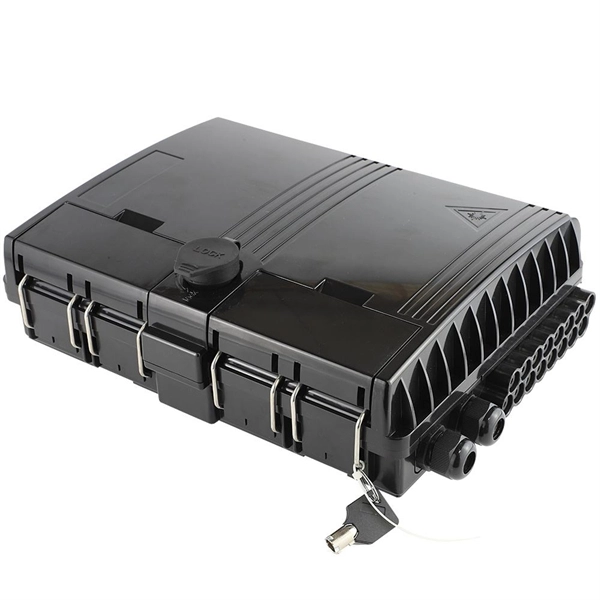
Consulting on cabinet rack and enclosure types
This article summarizes the basic types of electronics cabinets and enclosures available in the marketplace today, along with some of the more important issues of packaging for electronic systems and products.
-
How are electromagnetic sensors classified into photoelectric types
With multiple types available—Through-beam, Diffuse-reflective, Retro-reflective, Distance-settable, and Limited-reflective—they can be selected based on the application requirements such as distance, object type, environmental conditions, and detection accuracy...
[PDF Version]
-
Single-mode fiber optic transceiver fault types
Despite their robustness, fiber networks can fail due to: Physical Damage : Cuts, bends, or contamination in fiber cables or connectors. Hardware Failures : Faulty transceivers, switches, or routers. Configuration Errors : IP conflicts, incorrect routing, or. This document...
[PDF Version]
-
What are the different types of fiber optic gratings
The term type in this context refers to the underlying mechanism by which grating fringes are produced in the fiber. The different methods of creating these fringes have a significant effect on physical attributes of the produced grating, particularly the temperature response...
-
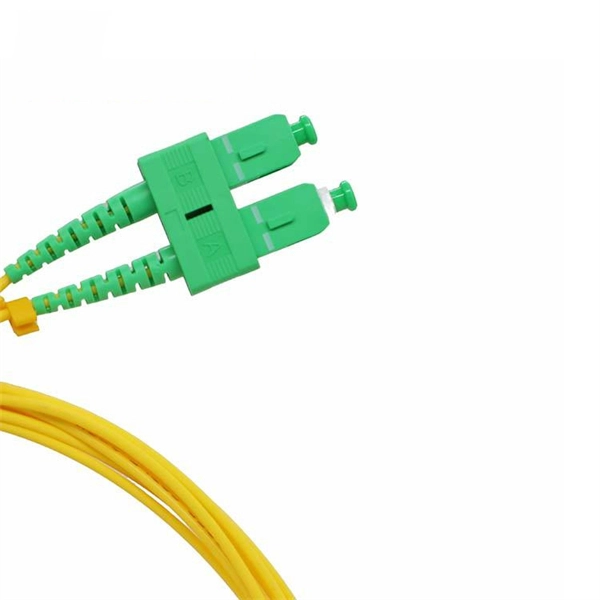
What are some types of diffraction-type fiber optic sensors
Among the most prominent architectures of this type are fiber Bragg gratings (FBG), and sensors based on Raman scattering [18, 19], Brillouin scattering [14, 20], and certain interferometers like Mach–Zehnder [5, 21], Sagnac, and Michelson [6, 22]. Fiber optic current sensors...
[PDF Version]
-
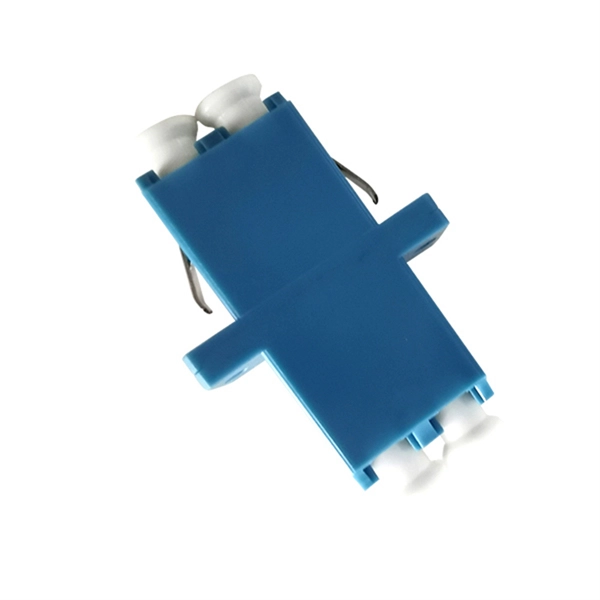
Types of Optical Port Modules for Switches
Common optical module types such as SFP, GBIC, XFP, and XENPAK, along with optical interfaces like FC, SC, and LC, each have their unique characteristics that make them suitable for specific application scenarios. The performance of a network is heavily dependent on the...
[PDF Version]
-
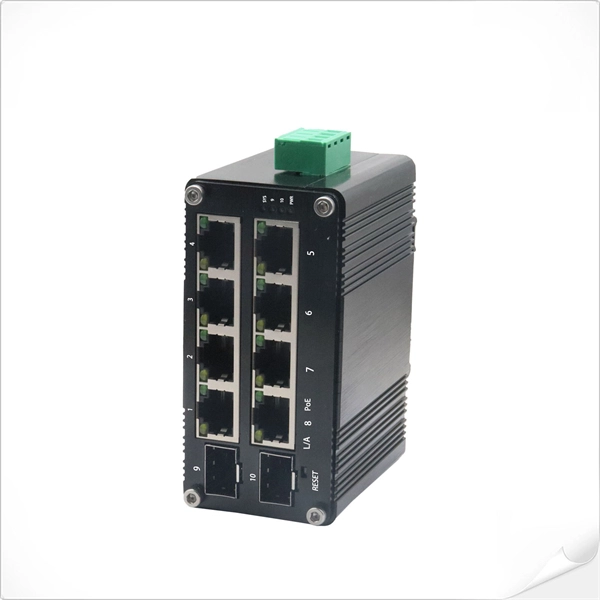
What are some types of light-emitting communication devices
Telecommunications, broadband communication using fiber-optic cables. Devices include: LEDs, photodiodes, optocouplers, and laser diodes. Converts electrical energy into light (electroluminescence). Colors: Red, green, yellow, blue, orange, white, and infrared (invisible)...
[PDF Version]
-
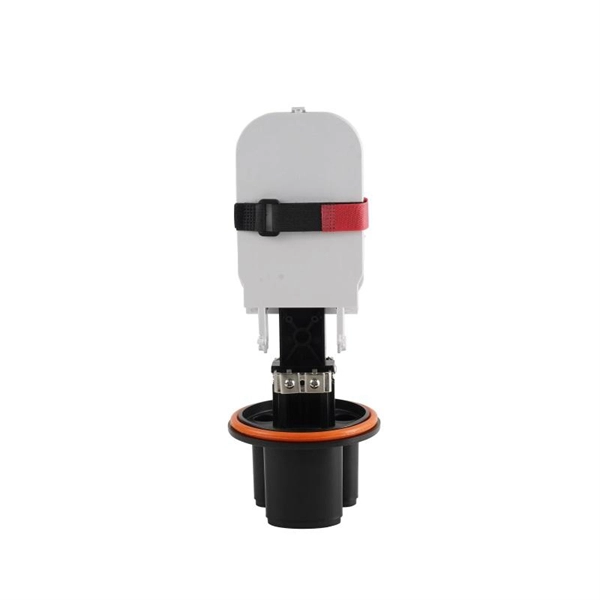
Types of fiber optic sensor structures include
Extrinsic fiber-optic sensors use an, normally a one, to transmit light from either a non-fiber optical sensor, or an electronic sensor connected to an optical transmitter. A major benefit of extrinsic sensors is their ability to reach places which are otherwise inaccessible...
-

What are the types of optical cable structures
There are hybrid optical and electrical cables that are used in wireless outdoor Fiber To The Antenna (FTTA) applications. In these cables, the optical fibers carry information, and the electrical conductors are used to transmit power. These cables can be placed in several...
More from the technical library
- Switching configuration for small distribution boxes
- Low-voltage backbone cables can be routed in cable trays or troughs
- Relay Protection Periodic Setting Report
- Which port should I plug the PTN905E optical module into
- Overseas warehouse coherent optical module 10G
- Cable management via cable tray in computer room mesh