
How can one identify a broken fiber optic cable?
To identify a broken fiber optic cable, start by performing a visual inspection for any physical signs of damage, such as bends, cracks, or breaks...
Search optical fiber, connectivity, cable management and network infrastructure references.
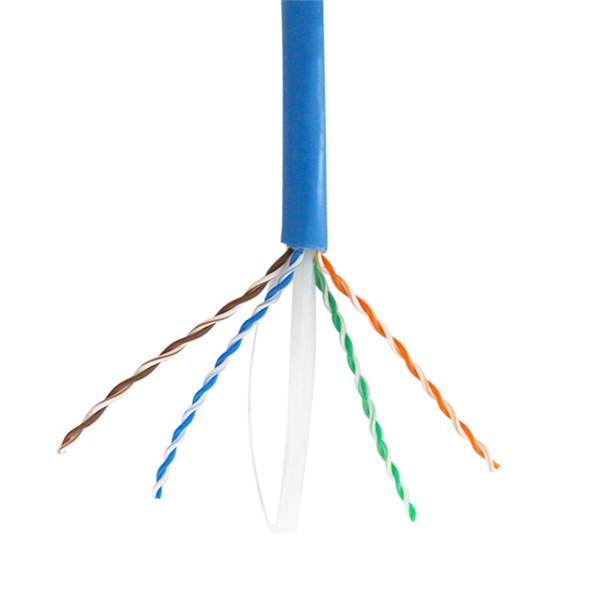
Evaluating ONU quality and reliability involves key performance indicators (KPIs) such as upstream and downstream data rates, bit error rate (BER), and signal-to-noise ratio (SNR). Given the critical role of fiber optic networks in contemporary communication, assessing their...
[PDF Version]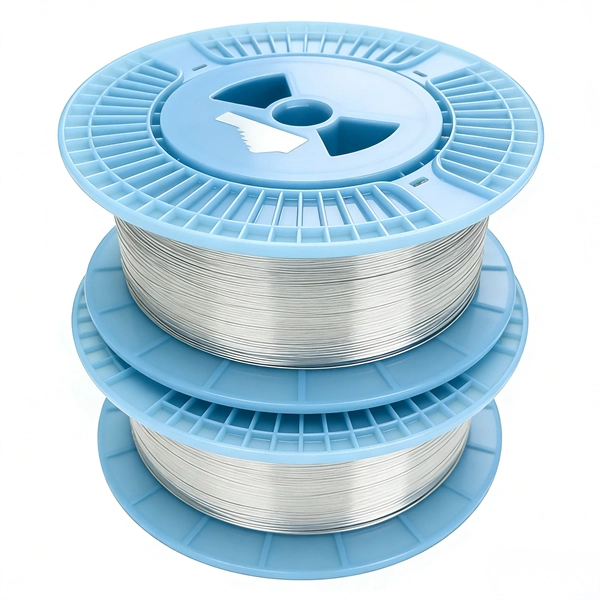
The 10 Gigabit Singlemode SFP+ Transceivers provide high-performance, reliable connectivity for modern 10 Gigabit Ethernet (10GbE) networks. The Cisco ® 10GBASE SFP+ modules (Figure 1) give you a wide variety of 10 Gigabit Ethernet connectivity options for data center...
[PDF Version]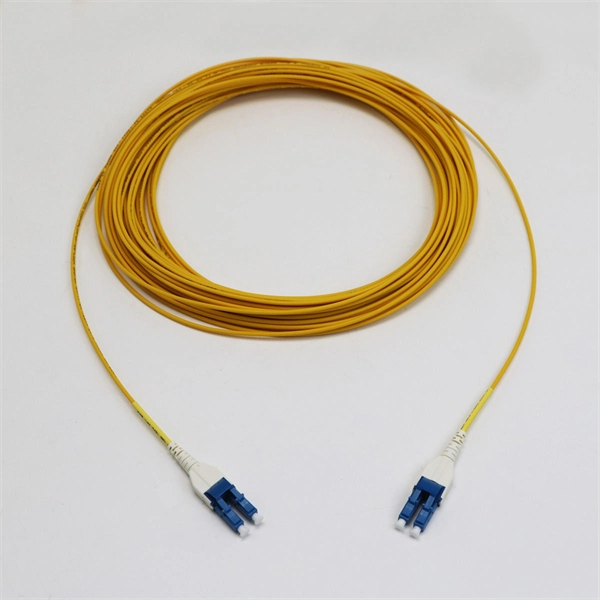
Multi-mode optical fiber is a type of mostly used for communication over short distances, such as within a building or on a campus. Multi-mode links can be used for data rates up to 800 Gbit/s. Multi-mode fiber has a fairly large core diameter that enables multiple light to...
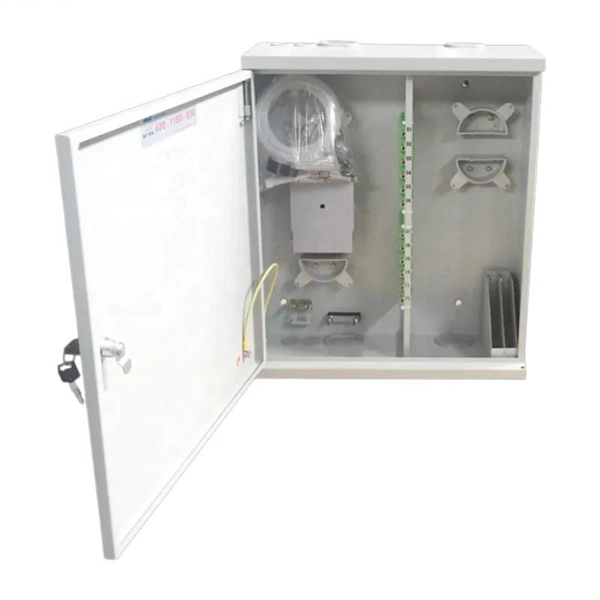
A 10G fiber optic network card is designed to allow for super-fast data transfer speeds of up to ten billion bits per second using fiber optic cables. It was first defined by the IEEE 802. Unlike previous Ethernet standards, 10GbE defines only full-duplex. A broad range of...
[PDF Version]
Fiber Optic Issues: Troubleshooting & Prevention TipsSolve common fiber optic network problems—attenuation, damage, connector issues. Learn troubleshooting.
[PDF Version]To identify a broken fiber optic cable, start by performing a visual inspection for any physical signs of damage, such as bends, cracks, or breaks...
There are several methods to test fiber optic cables without a tester. One method is using a visual fault locator (VFL), as mentioned earlier, to v...
Intermittent fiber optic connections can be caused by a variety of factors, including: Poorly terminated connectors or splices that result in unsta...
The maximum speed of single-mode (SM) fiber is determined by the bandwidth and transmission capacity of the fiber. Single-mode fiber can typically support speeds of up to 100 Gbps (gigabits per second) and even higher with the latest advancements in fiber optic technology...
Share the fiber interfaces, termination capacity, cable route and evidence required for handover.