
How Do Optical Beam Splitters Work And Applications
Search optical fiber, connectivity, cable management and network infrastructure references.
-
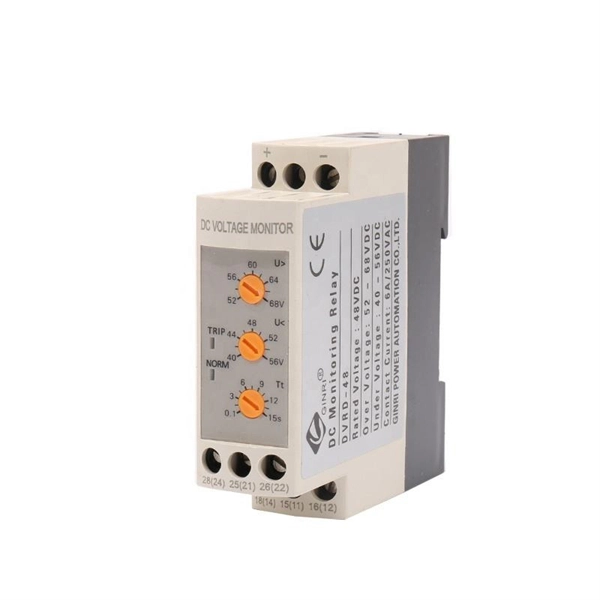
Principle of beam splitters in optical cross-sections
Beamsplitters separate incident light into two or more beams of the same wavelength. These exiting beams are differentiated by either their optical power (non-polarizing) or polarization states (polarizing). It is a crucial part of many optical experimental and measurement...
-
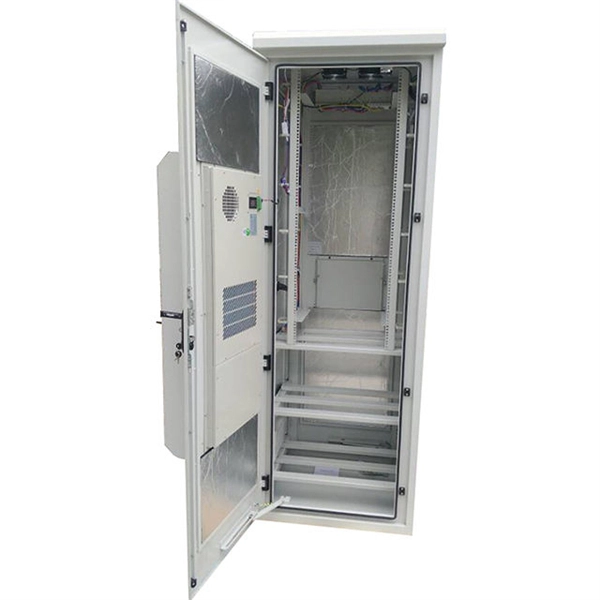
How are beam splitters made
How Beamsplitters Work: Principles and ApplicationsThe physical mechanism for dividing a light beam relies on partial reflection and partial transmission a.
[PDF Version]
-
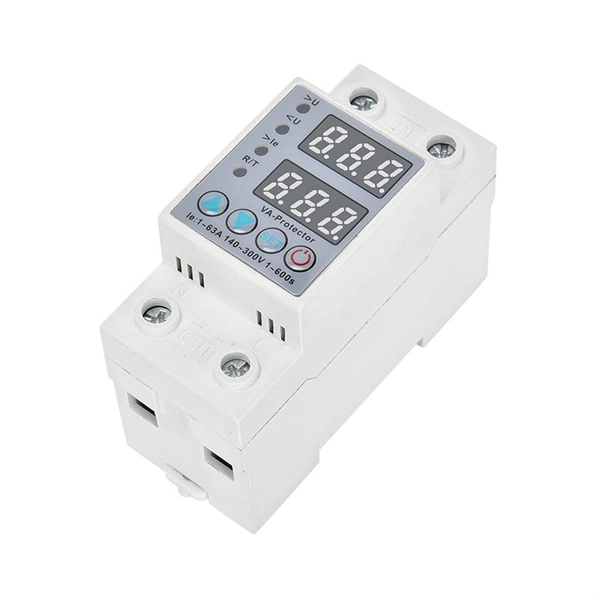
How is the sheath of a communication optical cable separated
This flexible insulating material is also called a sheath, typically a soft plastic material. On single-fiber cables (as diagramed above), this jacket OD is usually 2-3mm in diameter and can be stripped using common wire strippers of the appropriate gauge. The sheath is...
[PDF Version]
-
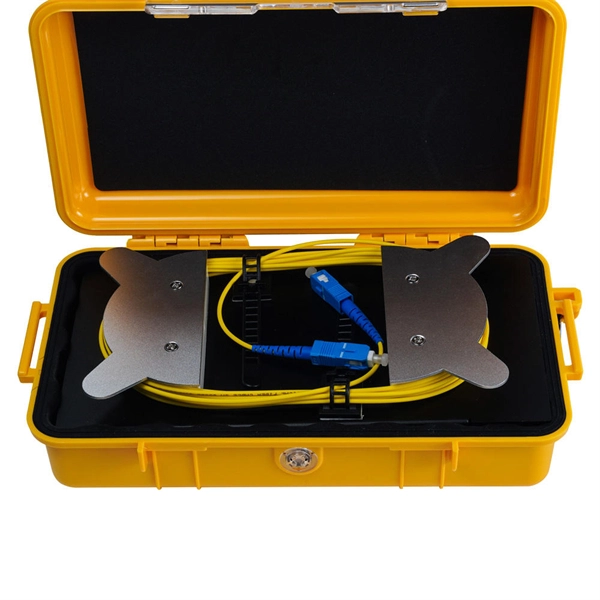
How to connect a 2-to-4 optical fiber switch
Most modern fiber-enabled network switches require an SFP transceiver module featuring a duplex (two strand) multimode OM3 or duplex single mode OS2 connection with LC connectors. Direct attach cables with pre-terminated SFP connections may also be used. Download the...
-
How much does a meter of 24-core 0pgw optical cable cost
Despite these variables, average market prices for 24 core fibre optic cables typically range from $0. As of recent market analysis, the price range for OPGW cables is generally between RMB 10,000 to RMB 30,000 per kilometer. Our range includes single-mode G652D options for...
[PDF Version]
-
How are the colors of 24-core optical fiber conduits differentiated
Tubes with 24 uniquely colored fibers: Fibers 1 to 12 use the standard blue through aqua color sequence. Fiber color codes are the standardized color sequences used to identify optical fibers, buffer tubes, cable jackets, and connector types across all optical communication...