
Fiber infrastructure reference
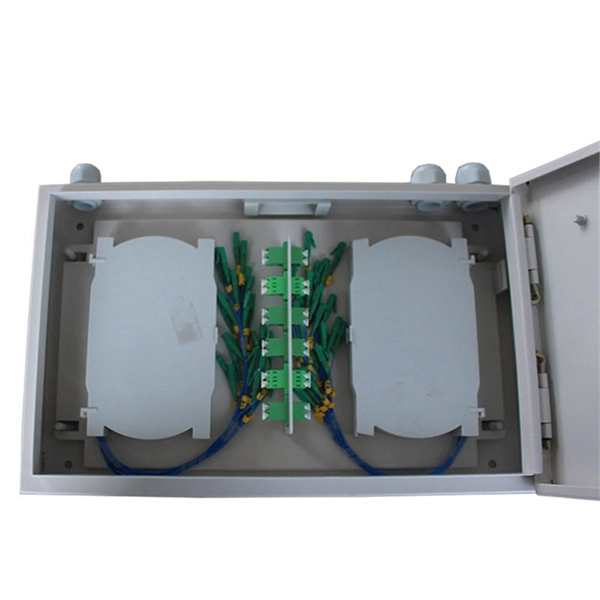
Fiber Optic Pigtails: Uses & Differences from Patch Cords
In this guide, we will break down what fiber optic pigtails are, how they differ from patch cords, what types exist, and how to select the right one for your project.
Fiber Patch Cord Accessories Guide: Fiber Panels, Pigtails, Adapters
What fiber patch panels and pigtails consist of along with adapters, loopbacks, and cable organizers form the components that make a professional-level setup possible.
Fiber Optic Patch Cords vs Pigtails: Uses & Differences
Its primary role is to connect multi-core fiber cables (e.g., 12-core, 24-core) to patch panels, ODFs, or devices via fusion splicing. Unlike patch cords, pigtails act as “translators” between
Patch Cords Vs Trunk Cables Vs Pigtails: What''S The Difference?
Use pigtails when you must terminate field-run cables permanently to a patch panel or splice shelf. Pigtails are the industry standard for terminating loose-tube or ribbon field cables to adapters where
Fiber Optic Patch Cords & Pigtails Selection Guide
Learn how to pick the right fiber optic patch cord or pigtail. Avoid installation errors. Based on 12+ years of field experience. Step-by-step guide with real examples.
Fiber Optic Cable vs Patch Cord vs Pigtail – Complete Guide
Buyer question: Can patch cords replace pigtails inside the ODF to “save a step”?Answer: No. Patch cords aren''t for permanent splicing; they''re for reconfigurable front-side
The Difference between Fiber Optic Patch Cord and Pigtail
In terms of fiber optic components, differentiation between patch cables and pigtails is imperative, considering their distinct roles within optical communication networks.
What is the Difference Between Fiber Patch Cord and Pigtail Cable?
Pigtail Cable: The installation of pigtail cables may involve splicing or connecting the pre-terminated end to devices or patch panels. Pigtails are commonly used in scenarios where a shorter
What is the difference between patch cable and pigtail?
Patch cables are for connecting devices in networks, while pigtails connect fiber optic cables to equipment, differing in structure and application.
Does the fiber patch panel have a pigtail?
Optical fiber patch panels can be individually assembled into fiber patch panels, but also with the digital wiring unit, audio wiring unit installed in a cabinet / rack.
Core Patch Cords and Pigtails Ordering Guide
Core Patch Cords and Pigtails Cable assemblies are a basic component for all network infrastructure projects. Corning''s preterminated assemblies use only high-quality optical fibers to ensure reliable
What is a Patch Panel and Why You Need It?
Patch panels are an important piece of equipment in the data center. Using a patch panel comes with many advantages that make it well worth the
Fiber Optic Pigtail vs Patch Cord: Which One You
Compare fiber optic pigtails and patch cords side by side. Understand key differences in performance, cost, and use cases to make the
What Is a Pigtail Connector: Types, Uses & Guide
Learn what a pigtail connector is, its types, uses, and benefits. Explore industries, installation tips, and how to choose the right solution.
Patch panel
A patch panel is a device or unit featuring a number of jacks, usually of the same or similar type, for the use of connecting and routing circuits for monitoring, interconnecting, and testing circuits in a
The Ultimate Guide to Pigtail Cable Assemblies and Connectors
To make efficient communication possible across different applications, pigtail cable assemblies and connectors are crucial in the ever-changing world of technology. This manual
What Is a Pigtail Connector? Types and Applications | CZT
In fiber optics, pigtails are fusion spliced to fiber cables to provide a connectorized termination point at patch panels and distribution frames. What is the difference between a pigtail
What Is the Difference Between Patch Cord and Pigtail?
Discover the differences between fiber optic patch cords and pigtail, including their types and uses in network installations.
Related Video Reference
This video was associated with the source search result. Verify technical details against current product documentation and project requirements.