
How Beam Splitters Work
Search optical fiber, connectivity, cable management and network infrastructure references.
-
How are beam splitters made
How Beamsplitters Work: Principles and ApplicationsThe physical mechanism for dividing a light beam relies on partial reflection and partial transmission a.
[PDF Version]
-
Are beam splitters difficult to repair
Beam splitters are sometimes used to recombine beams of light, as in a. In this case there are two incoming beams, and potentially two outgoing beams. But the amplitudes of the two outgoing beams are the sums of the (complex) amplitudes calculated from each of the incoming...
-
What are the common beam splitting methods of beam splitters
Most beamsplitters are produced in two varieties: plate beamsplitters and beamsplitting cubes. Other beamsplitting solutions are available, including pellicle beamsplitters, crystal beamsplitters, Brewster Windows and wedged plates. However, how they work exactly often...
-
How many beams can a tapered beam splitter separate
Beamsplitters separate incident light into two or more beams of the same wavelength. These exiting beams are differentiated by either their optical power (non-polarizing) or polarization states (polarizing). It is a crucial part of many optical experimental and measurement...
-
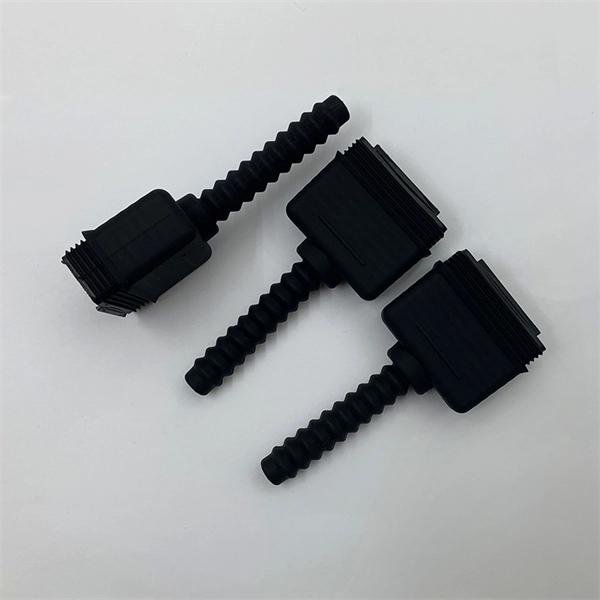
Active and Passive Beam Splitters
A passive splitter does exactly what its name implies: it splits a signal without using any external power. Whether you're dealing with fiber optic networks, HDMI video systems, or RF distribution, splitters help ensure that your signal reaches multiple endpoints efficiently...
-
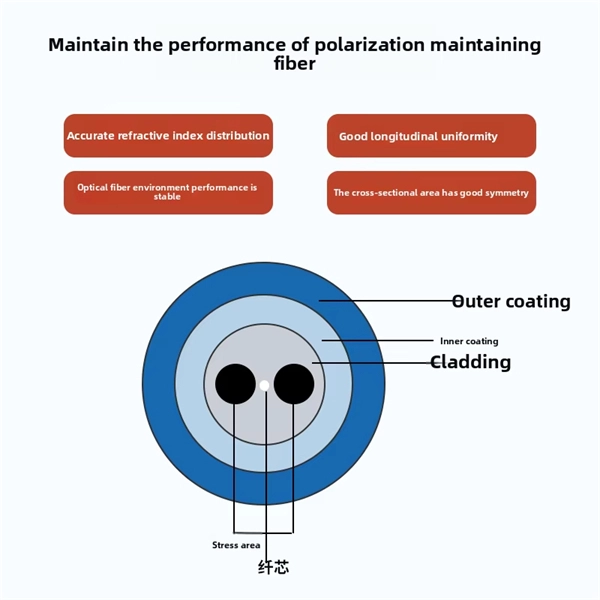
How much reflection loss is considered high for a beam splitter
In its most common form, a cube, a beam splitter is made from two triangular glass which are glued together at their base using polyester,, or urethane-based adhesives. (Before these synthetic, natural ones were used, e.g.) The thickness of the resin layer is adjusted such...