
Fiber infrastructure reference
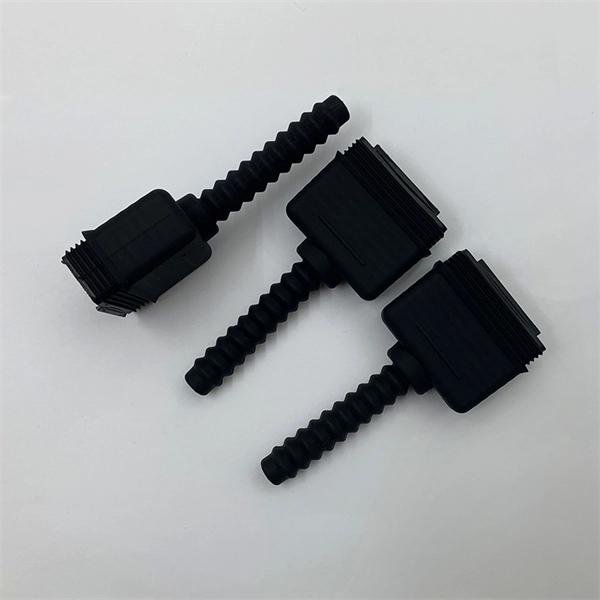
Active vs Passive Optical Splitter: Key Differences Explained
Learn the difference between active vs passive optical splitters, including working principles, use cases, and how to choose for FTTH and FTTx networks.
Active vs Passive Splitter — Full Comparison | TTI Fiber
Understand the key differences between active and passive fiber optic splitters — power, signal loss, cost, and when to use each type.
Optical Splitters Demystified: The Silent Heroes
An optical splitter is a passive device, but it doesn''t work alone. It relies on active equipment at both ends of the fiber link: the Optical Line Terminal
Passive vs Active Splitters: A Comprehensive Overview
This is where splitters come into play. However, not all splitters are created equal. They can be broadly categorized into two main types: passive splitters and active splitters. Each type has its own
Beam splitter
Schematic illustration of a beam splitter cube. In practice, the reflective layer absorbs some light. A beam splitter or beamsplitter is an optical device that splits
Thorlabs · Beamsplitter Guide
They are usually placed in a beam path at a 45° angle of incidence (AOI). The plates are coated with a thin film that reflects a portion of the beam while the rest is transmitted. The transmitted beam is
What are Beamsplitters?
Optical components that create two beams by splitting incident light are beamsplitters. Read more about the different types of beamsplitters at Edmund
Active vs Passive P1 Splitter: Which One Do You Need?
In this article, we dive into the technical differences between passive and active P1 splitters. We explain how passive splitters work, where their limitations appear (signal loss, data conflicts, unreliable
Tutorial Passive Fiber Optics, Part 8: Fiber Couplers
Dichroic couplers can be used to combine a pump and a signal input for a fiber amplifier, or to remove residual pump light after the amplifier. For high-power
How Beamsplitters Work: Principles and Applications
Beamsplitters enable complex light manipulation across diverse scientific and industrial fields, underpinning numerous advanced optical systems. The physical mechanism for dividing a light
Understanding Fiber Optic Splitters: Principles,
Fiber optic splitters are used in various areas, including active optical networks, passive optical networks, FTTX access networks, and measurement systems. In
Beam Splitters – optical power splitter, beamsplitter, thin
Beam splitters are devices for splitting a laser beam into two or more beams. There are different types, including polarizing and non-polarizing versions.
Understanding Polarization Beam Combiners/Splitters:
Have you ever wondered how different light beams can be combined or split apart in fiber optic systems? Well, that''s where special devices called
Beam Splitter | Precision, Applications & Design Principles
Explore the precision, applications, and design principles of beam splitters, essential for advancements in scientific research and technology.
The Buyer''s Guide to Beam Splitters | Blue Ridge Optics
Beam splitters are the unsung heroes of the optics world. These optical components divide incident light into two distinct beams: one reflected and one transmitted. This precise ability to
Your Go-to Guide to Optical Splitter
The optical splitter is an optical power distribution device that splits one optical signal into multiple optical fiber signals to achieve multichannel transmission.
Chapter6 Distributed Active Power Combiners and Splitters
This chapter mainly focuses on the active power combiners and splitters with wideband variable delay and gain using the distributed architecture. These circuits are the key components for use in MA
What Is an Optical Splitter?
An optical splitter, also known as a fiber optic splitter or beam splitter, is a passive device used in fiber optic networks to divide or split an incoming optical
Related Video Reference
This video was associated with the source search result. Verify technical details against current product documentation and project requirements.