
Horizontal Adjustable Splice
Search optical fiber, connectivity, cable management and network infrastructure references.
-
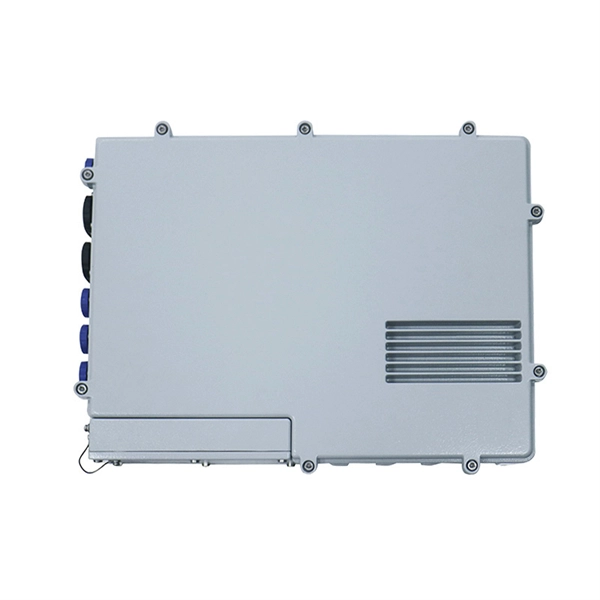
Fiber optic splice point loss standard
The industry standard ANSI/TIA/EIA-568-C. 3, “Optical Fiber Cabling Component Standard” specifies maximum connector insertion loss to be 0. To be able to judge whether a fiber optic cable plant is good, one does a insertion loss test with a light source and power meter and...
[PDF Version]
-
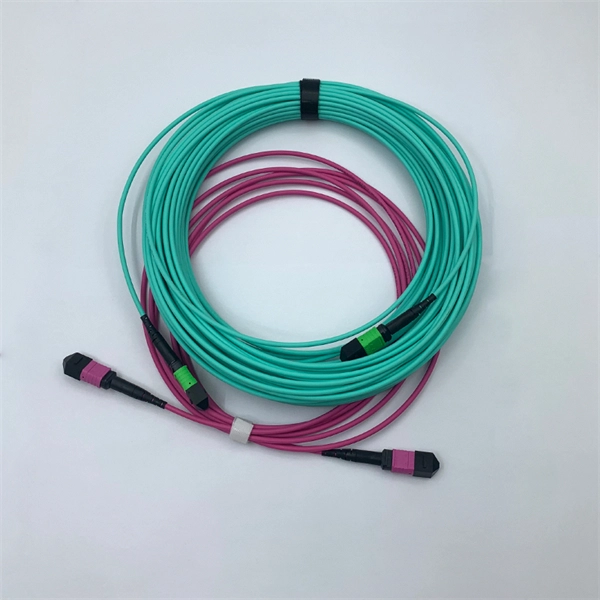
Do horizontal cable trays need covers
Due to their exposure to the open air because of the cable trays, the wires contained within need a very durable outer covering. The regulations dictate that the cables must either be Type TC (also known as Tray Rated) or must be metal-armored (Type MC). Cable tray is a...
[PDF Version]
-
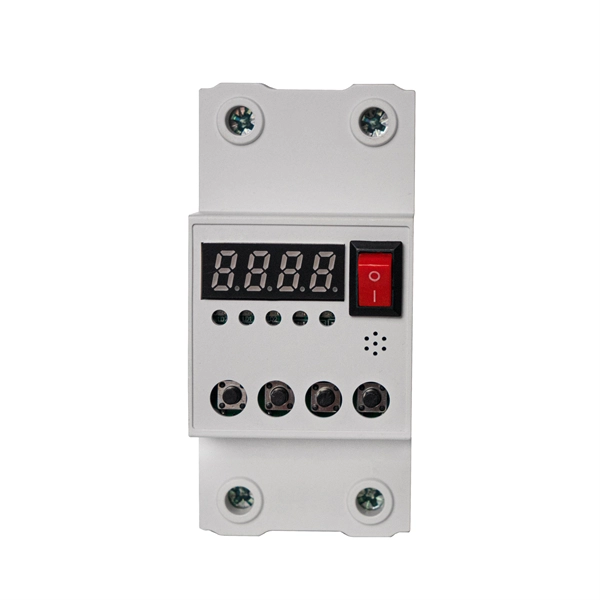
What are the requirements for overhead fiber optic splice boxes
The proper length of fiber is needed to allow splicing and then neatly storing fiber in the splice tray. Inside splice closures and at each end, cables with metallic shielding or strength members must be properly grounded and bonded. The Fiber Optic Association, Inc. The...
[PDF Version]
-
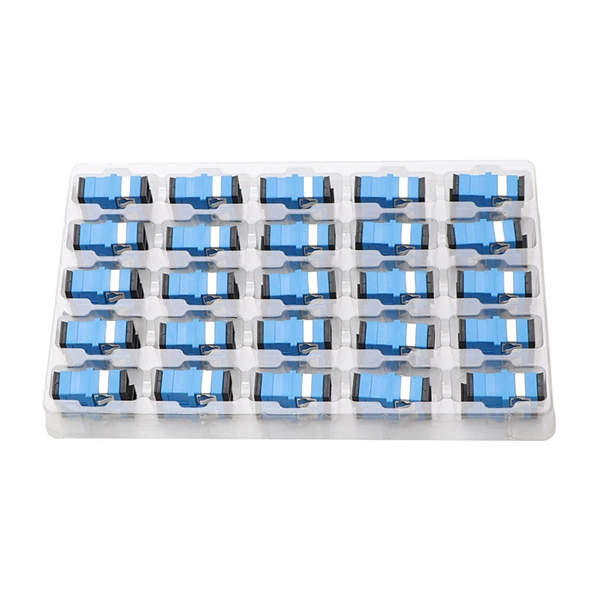
Why is there a problem with the splice box in the optical cable
Signal loss can occur in Fiber Optic Splice Closure (FOSC) due to various reasons such as dirty connectors, broken fibers, or loose connections. To troubleshoot this issue, you can try the following: Inspect the connectors for dirt or damage. Damage to the cable can cause...
[PDF Version]
-
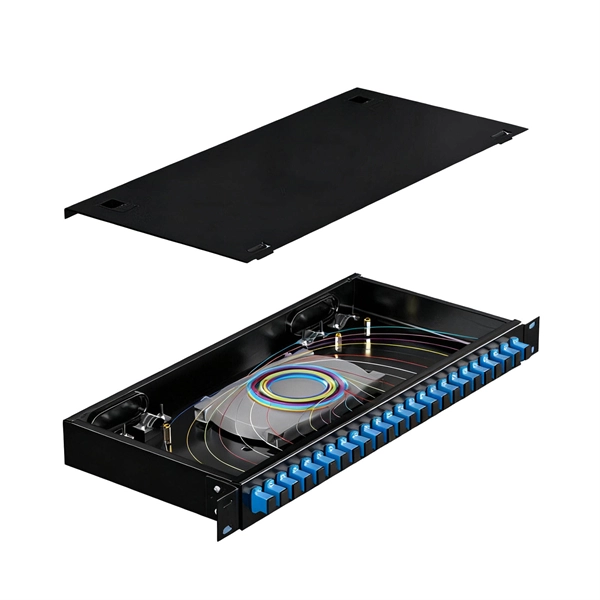
How to peel and splice armored optical cables
This guide provides a complete installation process for armored fiber optic cords, explaining each step from routing and pulling to stripping, cleaning, and testing. It also highlights key differences from standard fiber cables and important precautions to ensure safety and...
-
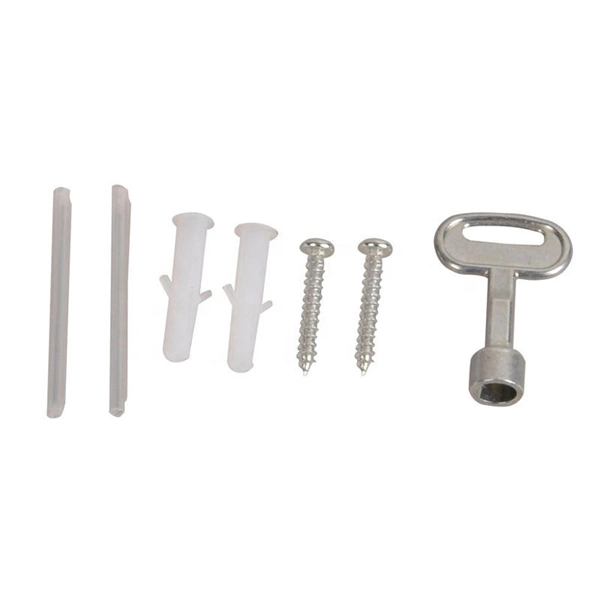
Finished elbows for vertical and horizontal cable trays
When cabling routes require changes in direction, cable tray bends and accessories provide a reliable, professional solution. Cable tray accessories: horizontal elbows, vertical elbows, and straight connectors Cable tray accessories, including horizontal elbows, vertical...
[PDF Version]
-
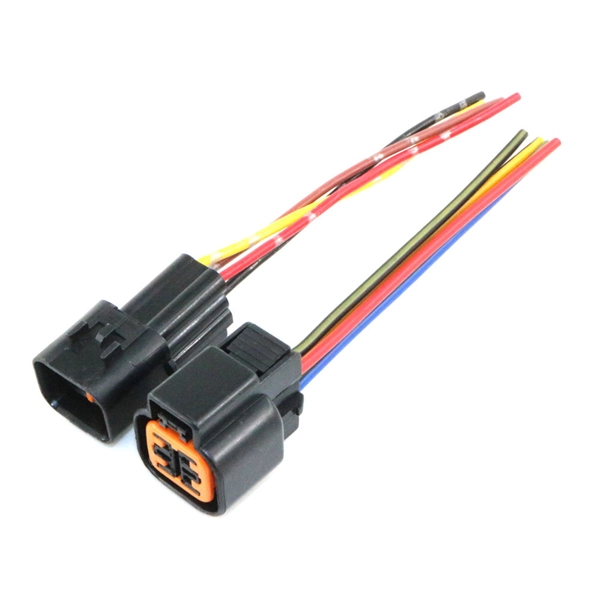
What materials are inside an optical fiber splice box
The tray is usually made of plastic or metal and can hold a varying number of fibers, depending on the size of the box. An optical cable split fiber box, also known as a fiber distribution box or fiber optic splice closure, is a device used to terminate, splice, and...
-
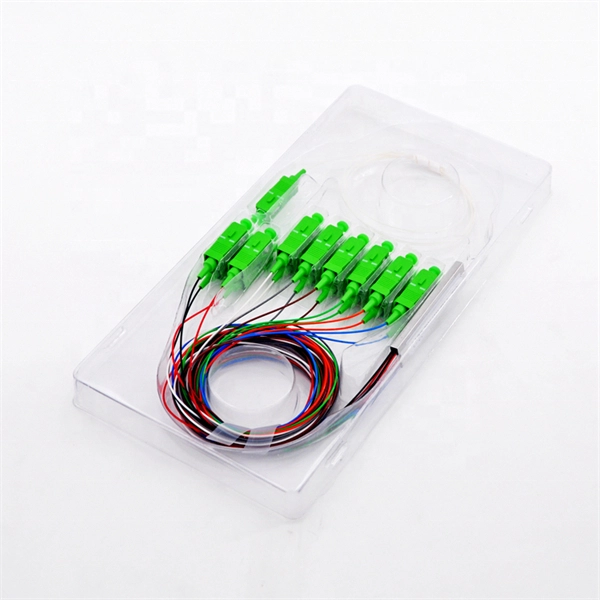
Seismic Bracing for Horizontal Cable Trays in Uganda
This study aims to develop a simple yet efficient performance-based design optimization methodology for cable tray systems in building structures. In the paper, the drift ratio between adjacent supports i.
-
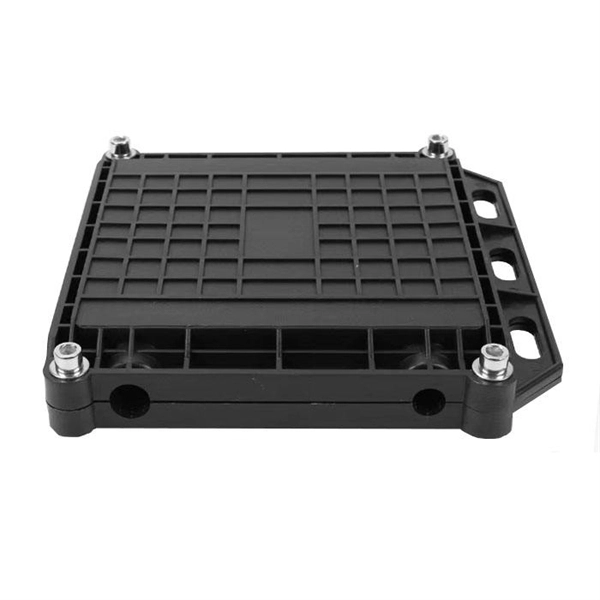
How to interpret the markings on a fiber optic splice box
Here is the most important information: 864F means the cable contains 864 fibersSM means singlemode fiber250 means the fiber has a 250 micron buffer coating0. 89 inches (metric would be in mm) 206 LB/KFT means the cable weighs 206. Understanding fiber‑optic color codes is...
[PDF Version]