
High Performance Wavelength Division Multiplexers Enabled By Co
Search optical fiber, connectivity, cable management and network infrastructure references.
-
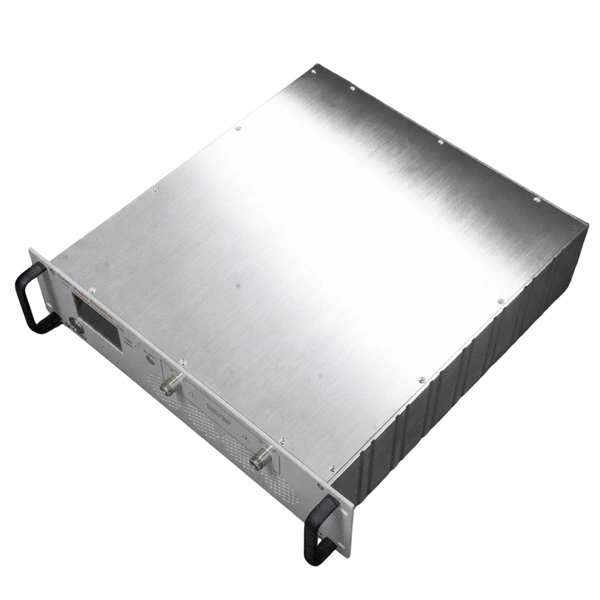
Key Technologies of Wavelength Division Multiplexers
Normal WDM (sometimes called BWDM) uses the two normal wavelengths 1310 and 1550 nm on one fiber. Dense WDM (DWDM) uses the C-Band (1530 nm-1565 nm) transmission window but with denser channel. In fiber-optic communications, wavelength-division multiplexing (WDM) is a...
[PDF Version]
-
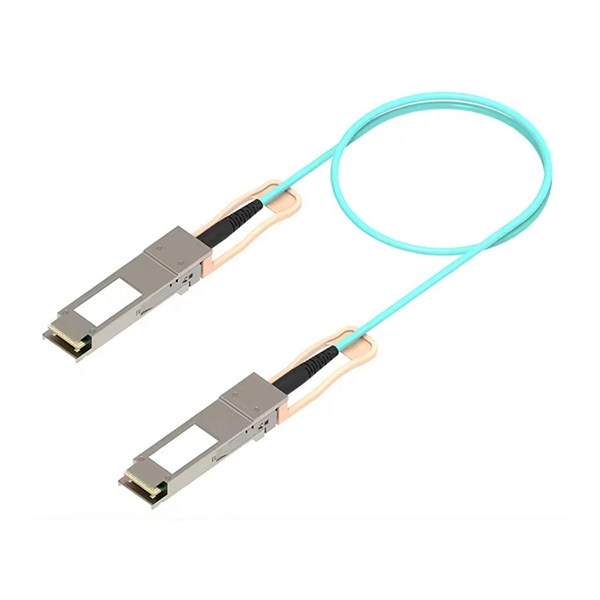
Passive wavelength division multiplexers require a power supply
Passive DWDM systems consume very little power and do not require an external power source, making them suitable for energy-efficient and green deployments. They are cost-effective in terms of deployment and maintenance, which is ideal for projects with limited budgets...
[PDF Version]
-
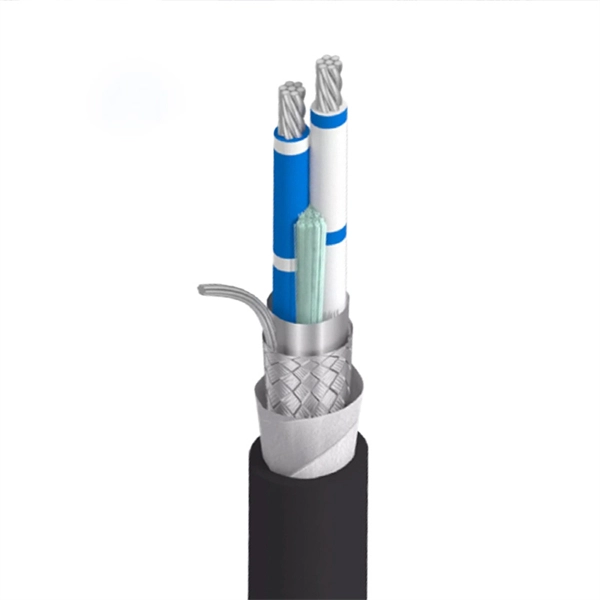
Customization Process for New Coarse Wavelength Division Multiplexers for Subways
SpectraMux® CWDM | OEM Optical Communication Solutions | CorningOur CWDM products separate wavelength into bands of 20 nanometers to cover the complete fib.
[PDF Version]
-
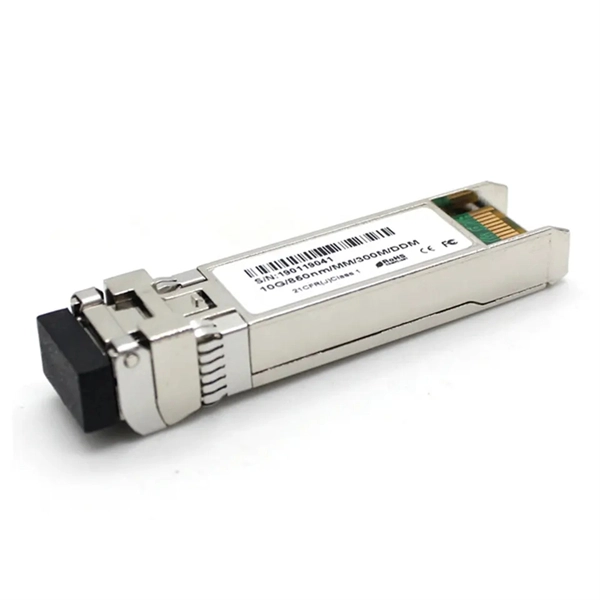
Do fiber optic wavelength division multiplexers have directionality
These wavelength division multiplexers enable fiber optic networks to mux or demux multiple wavelengths through the same fiber. Each wave division multiplexer, coarse wavelength division multiplexer, and dense wavelength division multiplexer is bi-directional and exerts low...
-

What amplifier is used for wavelength division multiplexing
Erbium-doped optical fiber amplifiers (EDFAs) provide an efficient wideband amplification for the C-band, Raman amplification adds a mechanism for amplification in the L-band. For CWDM, wideband optical amplification is not available, limiting the optical spans to several...
[PDF Version]
-
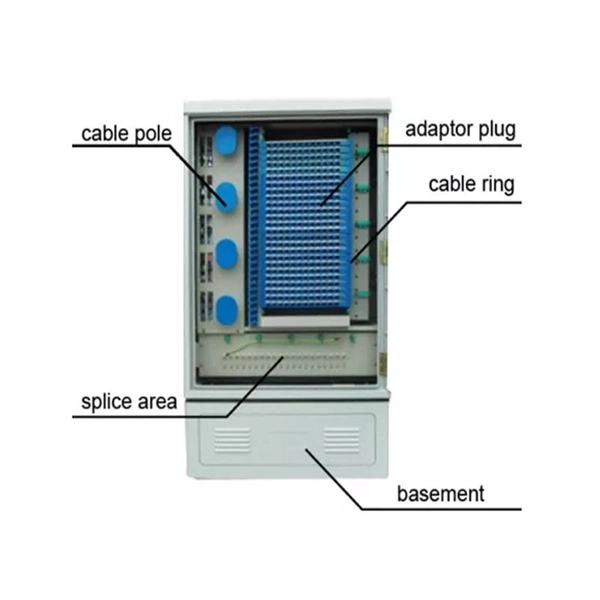
Wavelength Division Multiplexing Demultiplexing Fiber
Wavelength Division Multiplexing (WDM) stands out as a cornerstone, enabling multiple data streams to travel simultaneously over a single fiber. This guide delves into the principles, types, applications, and future trends of WDM. WDM allows communication in both the...
-
Optical Circulator Wavelength Division Multiplexing
Normal WDM (sometimes called BWDM) uses the two normal wavelengths 1310 and 1550 nm on one fiber. Dense WDM (DWDM) uses the C-Band (1530 nm-1565 nm) transmission window but with denser. In fiber-optic communications, wavelength-division multiplexing (WDM) is a technology...
[PDF Version]
-
Optical Wavelength Division Multiplexer Production
Optical receivers, in contrast to laser sources, tend to be wideband devices. Therefore, the demultiplexer must provide the wavelength selectivity of the receiver in the WDM system. WDM systems are divided into three different wavelength patterns: normal (WDM), coarse (CWDM)...
[PDF Version]