
Fiber infrastructure reference
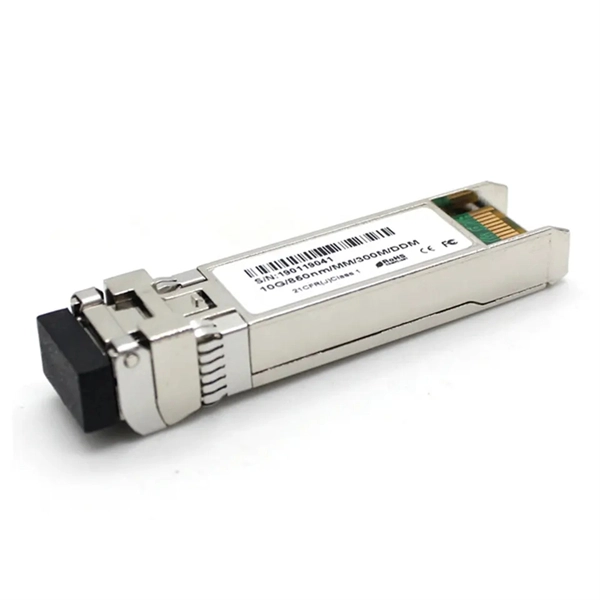
Wavelength Division Multiplexing – WDM, coarse, dense, optical fiber
Wavelength division multiplexing is a multiplexing technique working in the wavelength domain. It is commonly used in the area of optical fiber communications.
Wave Division Multiplexers | WDM, CWDM, DWDM | FIBERONE
Each wave division multiplexer, coarse wavelength division multiplexer, and dense wavelength division multiplexer is bi-directional and exerts low insertion loss. Just as all of FIBERONE''s other fiber optic
Wavelength Division Multiplexers (WDM)
They consist of two separate input fibers that each accept a different wavelength of light and a single, common output fiber accepting both input wavelengths.
Optically Multiplexed Systems: Wavelength Division Multiplexing
The idea is to divide the huge bandwidth of optical fiber into individual channels of lower bandwidth, so that multiple access with lower-speed electronics is achieved.
Wavelength-division multiplexing
WDM enables bidirectional communications over one strand of fiber, as well as multiplication of capacity.
Wavelength Division Multiplexing
To send multiple wavelength lanes down a single optical fiber, the wavelengths must be multiplexed (combined) by a Mux at the transmitting fiber end and de-multiplexed (separated) by a Demux at the
Wavelength-Division Multiplexing
Wavelength-division multiplexing (WDM) is defined as a technology that multiplexes multiple optical carrier signals onto an optical fiber by using different wavelengths of laser light, enabling bidirectional
Wavelength Division Multiplexing
Wavelength division multiplexing (WDM) is a technique of multiplexing multiple optical carrier signals through a single optical fiber channel by varying the wavelengths of laser lights. WDM allows
How Wavelength Division Multiplexing (WDM) Works
It takes the individual data streams and couples them into a single, composite beam of light transmitted down the optical fiber. These distinct light signals do not interfere with each other.
Wavelength Division Multiplexing (WDM)
Wavelength Division Multiplexing (WDM) Abstract Wavelength division multiplexing or WDM allows the combining of a number of independent information-carrying wavelengths onto the same fiber,
WDM 101 | Optical Communications | Corning
Wavelength division multiplexing (WDM) can help network operators stay ahead of growing demand for bandwidth. Read on to learn the fundamentals of this useful
Ultimate Guide to Optical Splitters for FTTH & GPON
Master optical splitter selection for FTTH & GPON networks. Compare PLC vs FBT, analyze insertion loss charts, and optimize your ODN architecture today.
What is WDM or DWDM?
Wavelength Division Multiplexing (WDM) is a technique in fiber-optic transmission for using multiple light wavelengths (or colors) to send data over the same medium.
Wavelength Division Multiplexing: A Guide to Fiber Optic Networks
Wavelength Division Multiplexing has revolutionized the way we transmit data through fiber optic networks. By enabling multiple data streams to travel simultaneously through a single fiber
Channelized optical wavelength division multiplexing (WDM) adaptive
An optical fiber of a fiber optic cable can have its ends coupled to a cascade of optical multiplexers and optical demultiplexers. An optical multiplexer can multiplex various wavelengths of light into a
Key Types & Features of WDM Integrated Devices
WDM (Wavelength Division Multiplexing) integrated devices, as a key technology in modern optical fiber communication, utilize WDM technology to
Fiber Optics: Wavelength Division Multiplexing (WDM) Explained
World Cord Sets : Fiber Optic Technology has revolutionized how data is transmitted. In this article, we aim to break down the different types of wavelength division multiplexing and to
What is Wavelength Division Multiplexing (WDM): A
Introduction to Wavelength Division Multiplexing (WDM) Wavelength Division Multiplexing (WDM) is a fiber optic transmission technique that
Related Video Reference
This video was associated with the source search result. Verify technical details against current product documentation and project requirements.