
Fiber Splice Trays And Wallets
Search optical fiber, connectivity, cable management and network infrastructure references.
-
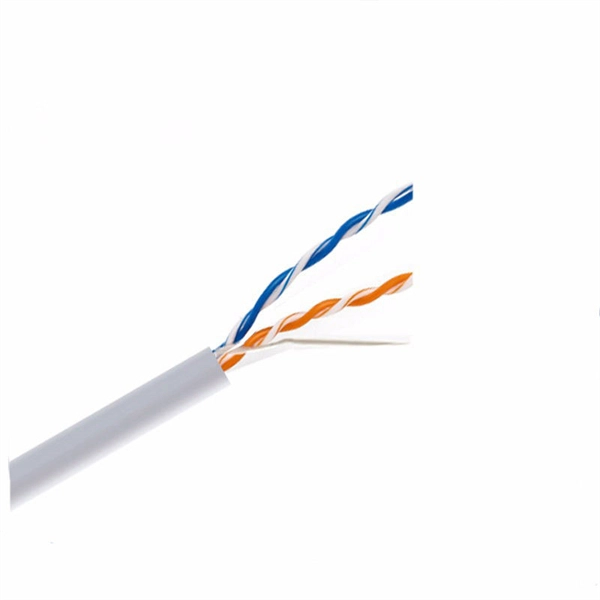
Where are fiber optic splice trays typically placed in the server rack
Fiber Cable Mechanical Splicing Guide Using Fiber Splice TraysTo protect spliced fibers, manage excess cable length, and ensure long-term stability, splici.
[PDF Version]
-
Fiber optic splice point loss standard
The industry standard ANSI/TIA/EIA-568-C. 3, “Optical Fiber Cabling Component Standard” specifies maximum connector insertion loss to be 0. To be able to judge whether a fiber optic cable plant is good, one does a insertion loss test with a light source and power meter and...
[PDF Version]
-
What are the requirements for overhead fiber optic splice boxes
The proper length of fiber is needed to allow splicing and then neatly storing fiber in the splice tray. Inside splice closures and at each end, cables with metallic shielding or strength members must be properly grounded and bonded. The Fiber Optic Association, Inc. The...
[PDF Version]
-
What materials are inside an optical fiber splice box
The tray is usually made of plastic or metal and can hold a varying number of fibers, depending on the size of the box. An optical cable split fiber box, also known as a fiber distribution box or fiber optic splice closure, is a device used to terminate, splice, and...
-
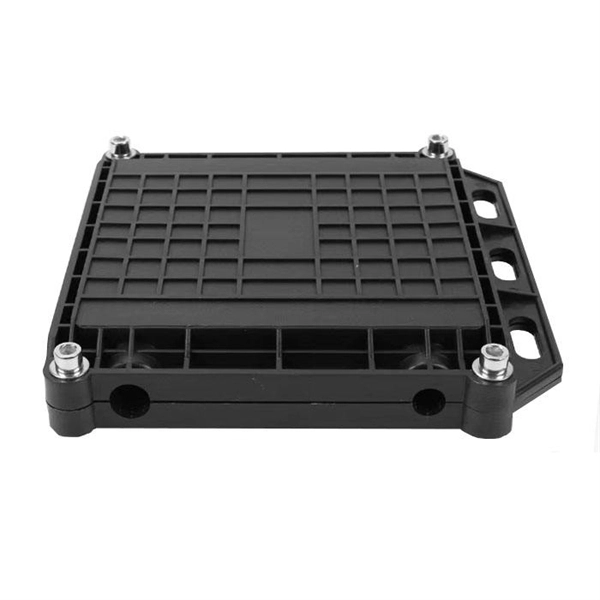
How to interpret the markings on a fiber optic splice box
Here is the most important information: 864F means the cable contains 864 fibersSM means singlemode fiber250 means the fiber has a 250 micron buffer coating0. 89 inches (metric would be in mm) 206 LB/KFT means the cable weighs 206. Understanding fiber‑optic color codes is...
[PDF Version]
-
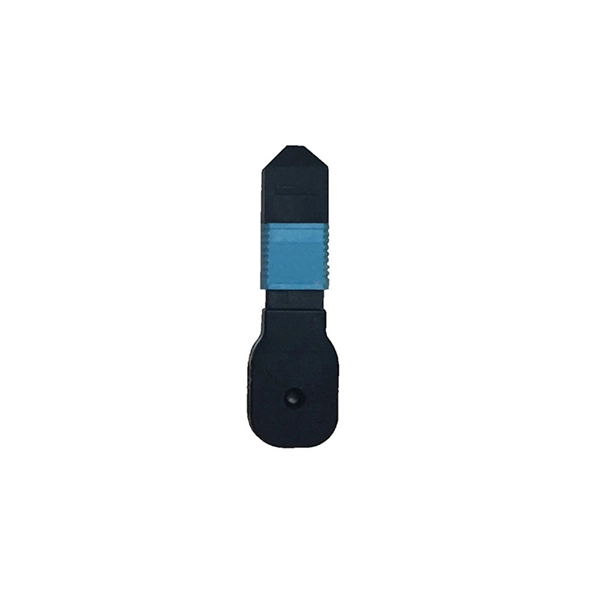
Fiber optic splice closure 56-core model
The T-56+ core-aligned fusion splicer achieves low splice losses and optimized operating times, supported by advanced technologies and a robust, built-to-last design manufactured in Japan. Corning Fiber Optic Splice Closures are designed for splicing fibers in aerial, duct...
-
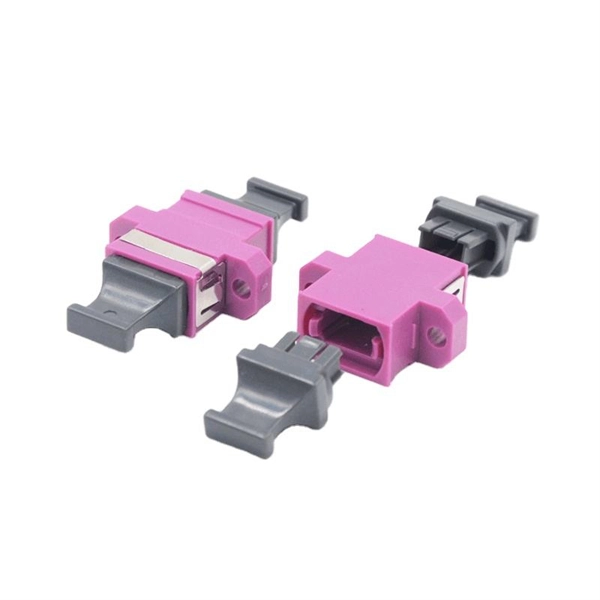
Is it safe and good to make fiber optic splice boxes waterproof
Fiber optic splice closures keep your network safe from water, dirt, and harm. Pick strong materials and tight seals to keep signals clear. Check and clean closures often to. In this technical guide, we will explain exactly what the IP68 waterproof standard means, why it is...
[PDF Version]
-
How to splice an 8-core multimode fiber optic cable
Learn how to splice fiber optic cable using fusion splicing with this complete step-by-step guide. Includes tools, best practices, loss standards (ITU-T G. 652), cost analysis, and FAQs for network engineers and installers. Regardless of the type of fiber network you're...
[PDF Version]
-
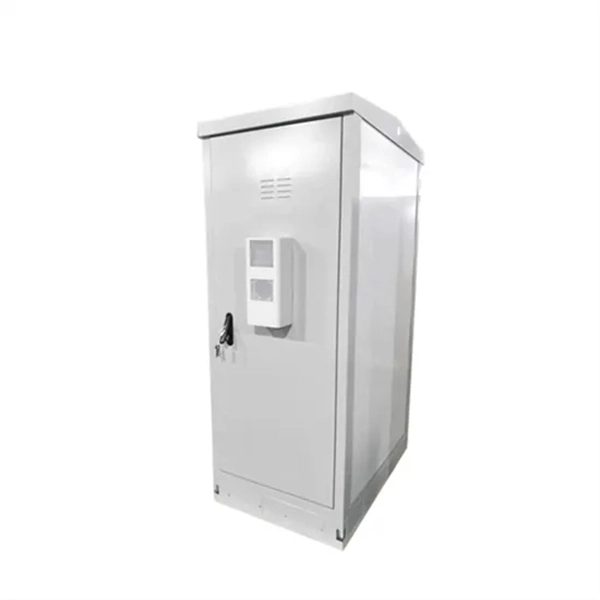
Low Loss Fiber Reinforcement Trays for Mining
FRP (Fibre Reinforced Polymer) mesh is a lightweight, corrosion-resistant solution designed for effective ground support in challenging underground environments. As a key component, the low mechanical load-bearing capacity of trays significantly limits their widespread...
-
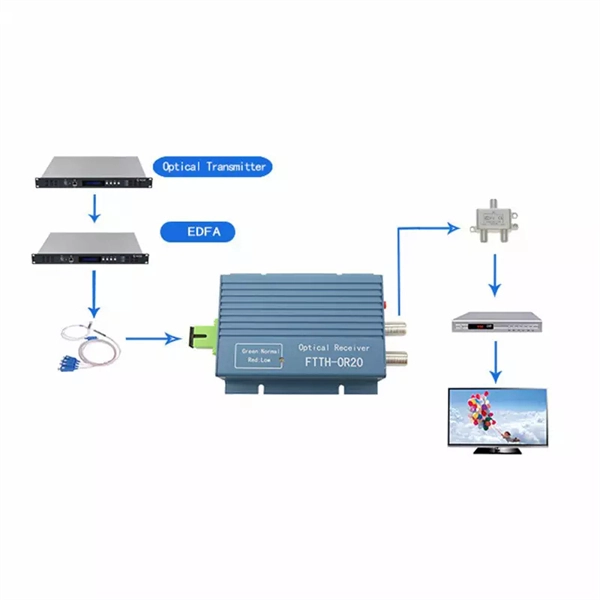
How to insert the fiber optic splice tray into the optical cable conduit
To install the tray on a tower, you need to secure the hinge to the tray base, position the tabs in the desired mounting holes, and lock them into place. Fiber cable splicing is the process of permanently joining two optical fibers end-to-end to allow light signals to pass...
[PDF Version]
More from the technical library
- How much does it cost to replace broadband with fiber optic cable
- How to calculate the material cost of cable trays
- Installation Requirements for Telecommunications Mobile Power Distribution Boxes
- How to determine the bending radius of a pigtail fiber
- What types of wires are used in high-voltage small busbars