
How can one identify a broken fiber optic cable?
To identify a broken fiber optic cable, start by performing a visual inspection for any physical signs of damage, such as bends, cracks, or breaks...
Search optical fiber, connectivity, cable management and network infrastructure references.
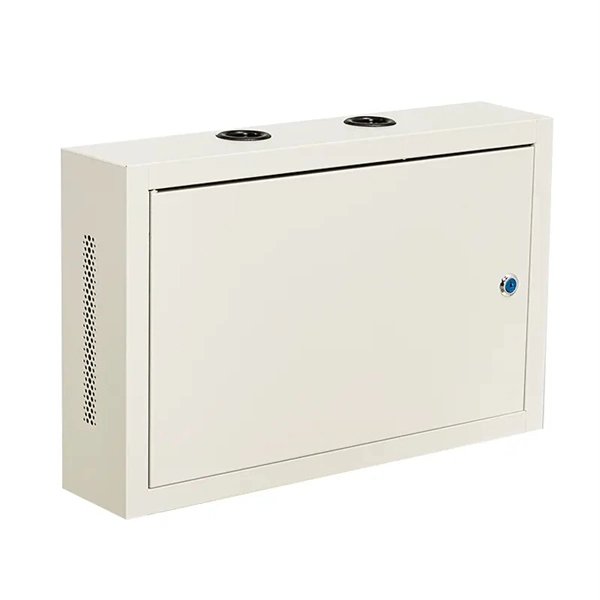
Fiber optic testing tools are essential for ensuring network reliability, performance, and proper installation. Devices such as Optical Power Meters, OTDRs, and Visual Fault Locators help technicians measure signal loss, locate faults, and verify fiber integrity. Optical...
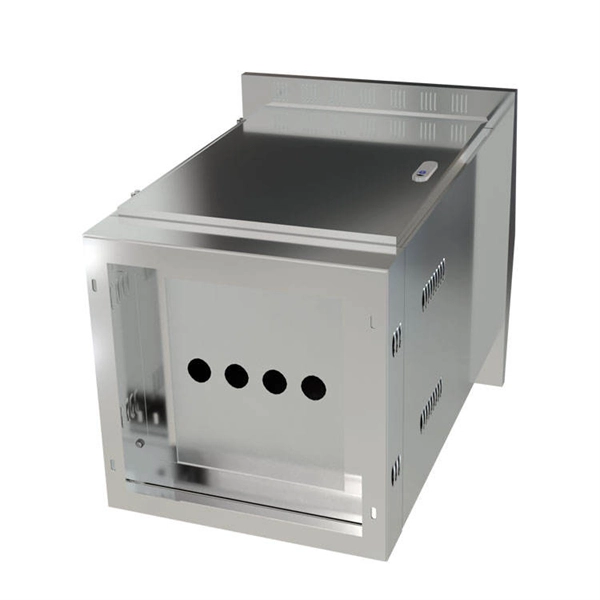
Fiber Network Troubleshooting – Common Issues & FixesLearn how to troubleshoot fiber networks. Identify common issues like high loss, dirty connectors, and.
[PDF Version]To identify a broken fiber optic cable, start by performing a visual inspection for any physical signs of damage, such as bends, cracks, or breaks...
There are several methods to test fiber optic cables without a tester. One method is using a visual fault locator (VFL), as mentioned earlier, to v...
Intermittent fiber optic connections can be caused by a variety of factors, including: Poorly terminated connectors or splices that result in unsta...
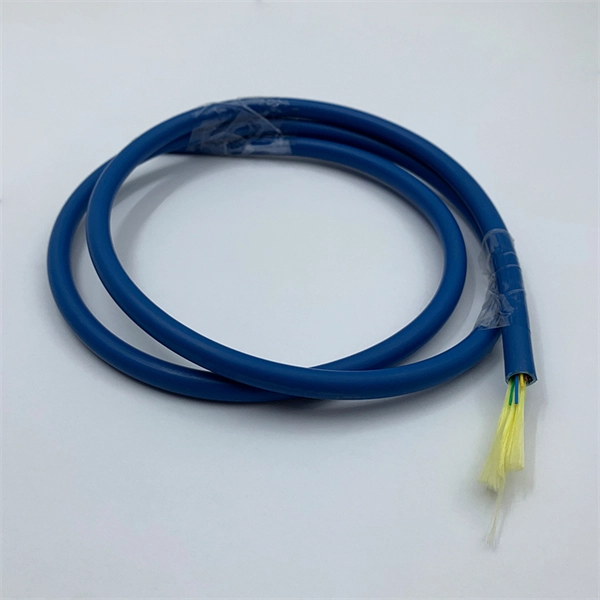
Gloves, fish poles, fish tapes, lubricant, cable pulling eyes and netting, fiber vacuum blowers, all necessary tools for your fiber/copper cable pulling jobs. The below article explores the best practices and tools commonly used to pull fiber optic cable. The pulling rope...
[PDF Version]
Fiber optic cleaning supplies, toolkits, and effective precision strippers are at the center of every dependable fiber optic toolkit. Including well-selected splicing and testing tools will ensure a high level of connection integrity and professional reliability. The buffer...
[PDF Version]
Along with a standard wire cutter and wire stripper, there are three additional cable strippers and a ringer to handle an array of fiber-optic cable jacket shapes, sizes, and buffer coatings. Let me explain the details of several commonly used fiber stripper types as follows!...
[PDF Version]
Fiber Optic Troubleshooting Guide: Problems, Tools & SolutionsLearn how to troubleshoot fiber optic cables with common problems, a step-by-step process, es.
[PDF Version]To identify a broken fiber optic cable, start by performing a visual inspection for any physical signs of damage, such as bends, cracks, or breaks...
There are several methods to test fiber optic cables without a tester. One method is using a visual fault locator (VFL), as mentioned earlier, to v...
Intermittent fiber optic connections can be caused by a variety of factors, including: Poorly terminated connectors or splices that result in unsta...
For strong, reliable connections, work with fiber optic cables safely using essential tools such as strippers, cleavers, splicers, and cleaning kits. An OTDR helps pinpoint faults, breaks, and splices along a fiber link with serious accuracy. Crucial for certifying new links...
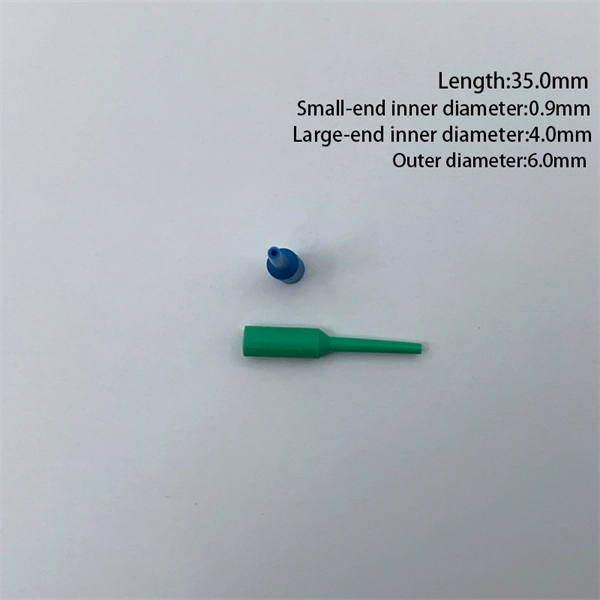
Fiber Optic Tools: A Professional Guide to Installation, Explore essential fiber optic tools for installation, splicing, and testing. Learn how to choose p.
[PDF Version]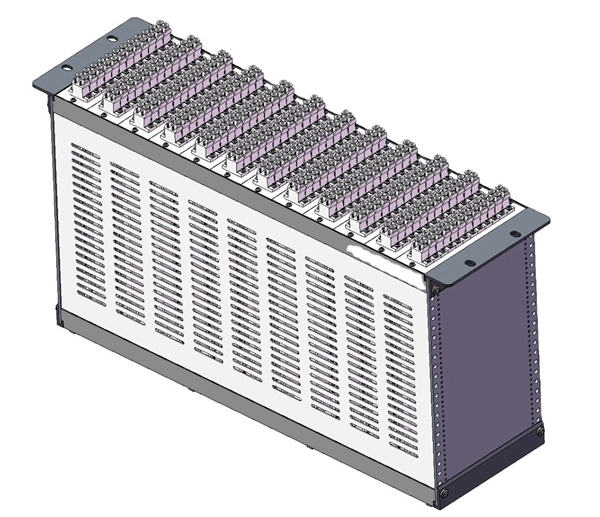
Fiber optic equipment guide: tools, uses and testing A practical guide to fiber optic equipment, covering splicers, OTDRs, power meters, and essential tool.
[PDF Version]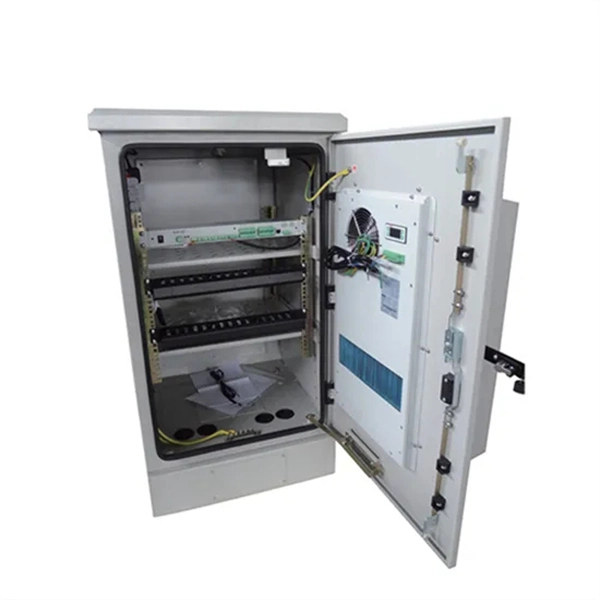
Fiber Optic Terminal Box Guide: Choosing the Right Learn how environment, capacity, splicing, connector compatibility, and long-term reliability shape your.
[PDF Version]Share the fiber interfaces, termination capacity, cable route and evidence required for handover.