
Fiber infrastructure reference
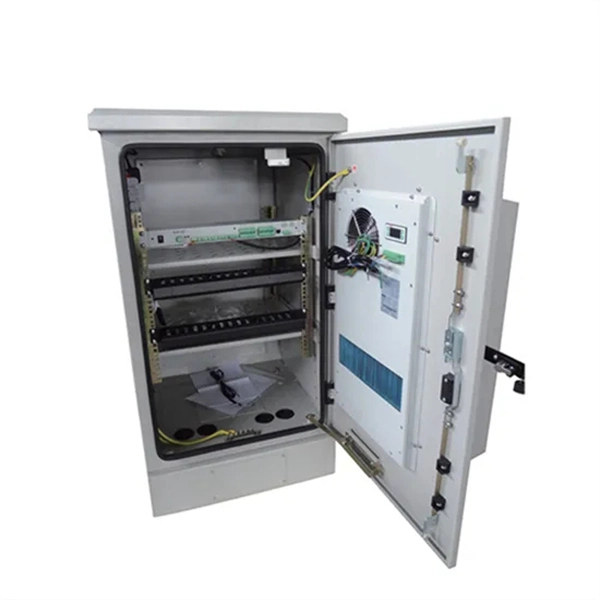
Fiber Optic Terminal Box Guide: Choosing the Right
Learn how environment, capacity, splicing, connector compatibility, and long-term reliability shape your choice of fiber termination enclosures.
Fiber Termination Box Capacity: How to Size It Correctly
This guide explains how to evaluate fiber termination box capacity correctly, including fiber count, port configuration, splitter accommodation, and future growth.
The Comprehensive Guide to Fiber Termination Boxes
A Fiber Termination Box, also known as an optical termination box (OTB), is a compact, specialized enclosure designed for the organization,
Fiber Terminal Box & Splice Closure Guide | Langzhi Technology
Complete guide to fiber optic terminal boxes and splice closures: functional differences, types (wall-mount/rack-mount/outdoor waterproof), capacity selection, and FTTH/ODN applications.
Fiber Optic Termination Box: The Complete Guide
This guide explains what a fiber optic termination box is, how it works in practice, where it is typically installed, and how to choose the right model for different network environments.
Fiber terminals
With the Fiber Termination Box (FTB) Connect, the installation options have been expanded, providing access from all four sides, with 10 ports available in total.
FTTH Terminal Box Selection Guide: Rack, Wall
Compare rack-mount (1U-3U, 12-48 ports), wall-mount (2-12 ports), and outdoor IP54+ FTTH terminal boxes. Covers SC/APC vs UPC, splice loss
Fiber Terminal Boxes – Selection Guide for MDU & FTTH Projects
Discover how to choose the right fiber terminal boxes for MDU and FTTH deployments. Learn key features, capacity options, and installation considerations.
Fiber Termination Box 2025 Guide for IP65 and IP68 Ratings
Compare fiber termination box types for IP65 and IP68 ratings in 2025. Find the best options for indoor, outdoor, and harsh environments with updated standards.
Guide of Fiber Optic Terminal Box
Fiber optic terminal box is a product designed for different scenarios in FTTH construction, such as primary or secondary splitting.
FTTH 24 Core Fiber Optic Distribution Box Optical Fiber Terminal Box
FTTH 24 core fiber terminal box is suitable for the distribution and terminal connection for various kinds of optical fiber system, especially suitable for mini-network terminal distribution, in which the optical
The Fiber Optic Association
Other groups may have fiber optic standards also: ANSI is the governing bodies for standards in the US, NIST provides primary standards, IEEE has standards for networks like Ethernet, IWCS has
Fiber Panel Box Enclosure 2 Core Fiber Optic Terminal Distribution
WIDE APPLICATIONS: This 2‑core fiber optic terminal distribution junction box is suitable for a variety of network deployment scenarios including FTTH (Fiber to the Home), FTTO (Fiber to the Office),
Terminal and Junction Boxes (Ex e, Ex i, Ex op)
Various enclosure sizes and robust materials are available to meet diverse application needs. Customers can choose terminal boxes and junction boxes with enclosures made from glass fiber
All You Need To Know About Fiber Termination Boxes:
Source In this blog, we will discuss the two types of fiber optic cables and the role of a simple yet essential piece of equipment in the fiber laying
101 Guidelines for Fiber Termination Box
Fiber termination box (FTB), also known as optical terminal box (OTB), generally refers to a distribution box specially designed for fiber cable management (fiber patch cables/pigtails) in FTTH
Fiber Termination Boxes: A Beginner''s Guide to
In the dynamic landscape of modern communication, Fiber Termination Boxes (FTBs) play a pivotal role in ensuring the efficiency and
Types of Fiber Optic Terminal Boxes: How to Choose the Right
The article discusses choosing fiber optic terminal boxes, covering types, materials, costs, and best practices for efficient network performance. It also addresses FAQs about use and
Related Video Reference
This video was associated with the source search result. Verify technical details against current product documentation and project requirements.