
How can one identify a broken fiber optic cable?
To identify a broken fiber optic cable, start by performing a visual inspection for any physical signs of damage, such as bends, cracks, or breaks...
Search optical fiber, connectivity, cable management and network infrastructure references.
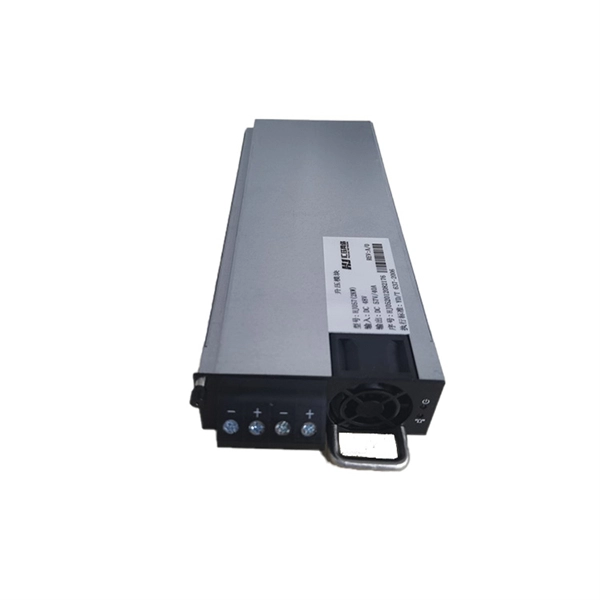
Fiber Optic Troubleshooting Guide: Problems, Tools & SolutionsLearn how to troubleshoot fiber optic cables with common problems, a step-by-step process, es.
[PDF Version]To identify a broken fiber optic cable, start by performing a visual inspection for any physical signs of damage, such as bends, cracks, or breaks...
There are several methods to test fiber optic cables without a tester. One method is using a visual fault locator (VFL), as mentioned earlier, to v...
Intermittent fiber optic connections can be caused by a variety of factors, including: Poorly terminated connectors or splices that result in unsta...
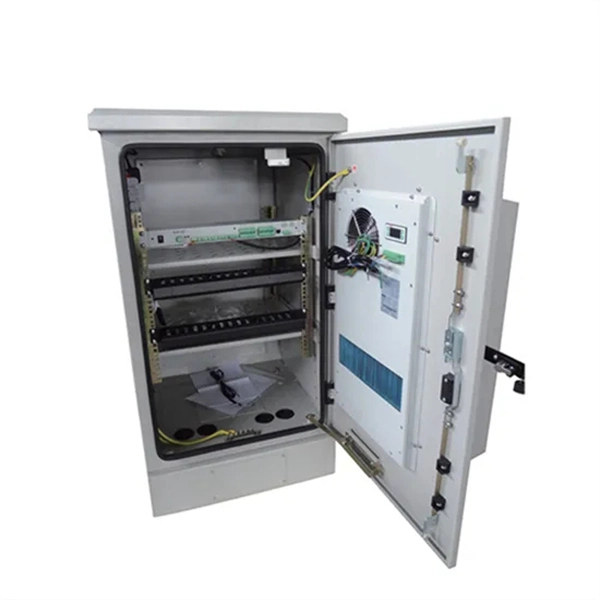
Fiber Optic Terminal Box Guide: Choosing the Right Learn how environment, capacity, splicing, connector compatibility, and long-term reliability shape your.
[PDF Version]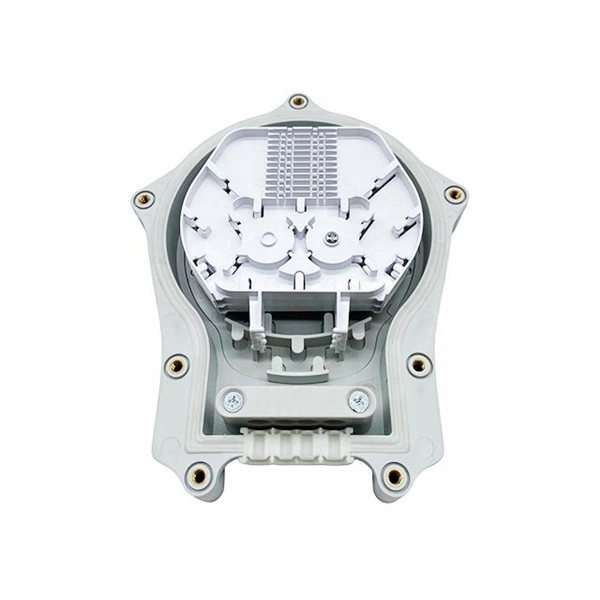
This article is a selection guide for Fiber patch cords and pigtails, which systematically introduces the definitions and differences between the two, different application environments and construction types, specifications and parameters of single core and multi-core Fiber...
[PDF Version]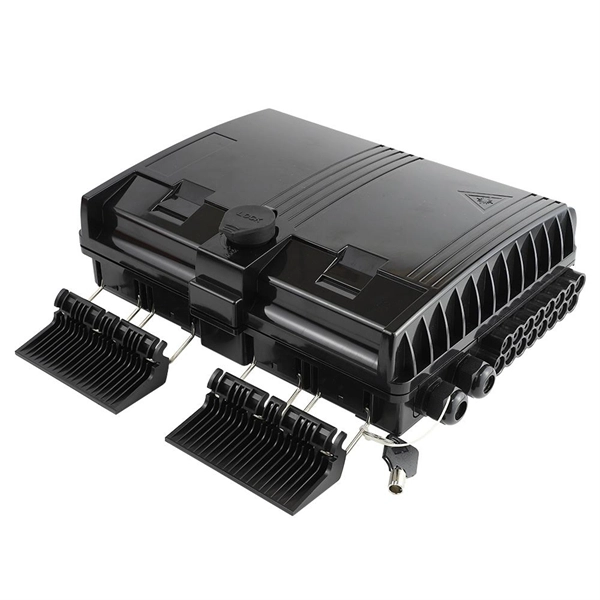
Fiber Optic Troubleshooting Guide: Problems, ToolsThis guide offers practical steps to troubleshoot fiber optic cable issues, covering common problems, key.
[PDF Version]To identify a broken fiber optic cable, start by performing a visual inspection for any physical signs of damage, such as bends, cracks, or breaks...
There are several methods to test fiber optic cables without a tester. One method is using a visual fault locator (VFL), as mentioned earlier, to v...
Intermittent fiber optic connections can be caused by a variety of factors, including: Poorly terminated connectors or splices that result in unsta...
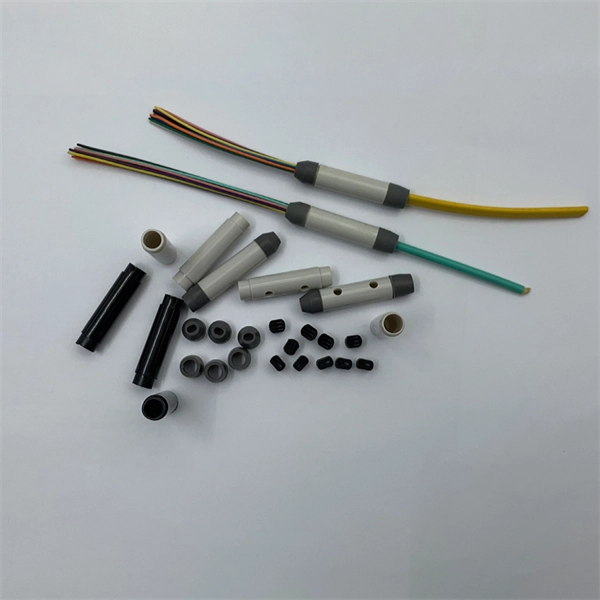
5/125 micron or 50/125-micron multimode fiber optic cables and terminate with multimode connectors at one end. Executive Summary: A fiber optic pigtail is one of the most commonly specified yet least understood components in structured cabling. Get the wrong connector type...
[PDF Version]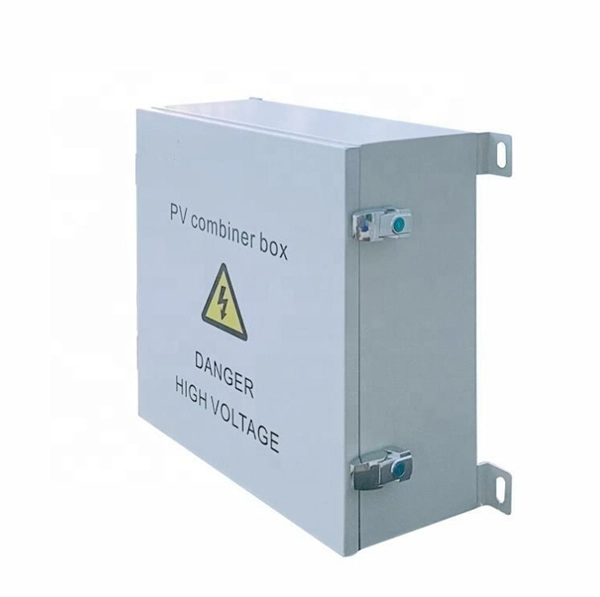
The FTA-02 organizes individual fibers into ribbons for mass splicing. Ribbonizing can be completed in less than 3 minutes, including adhesive drying time. These products allow the user to enter a cable and access one or more fibers, without disturbing the continuity of other...
[PDF Version]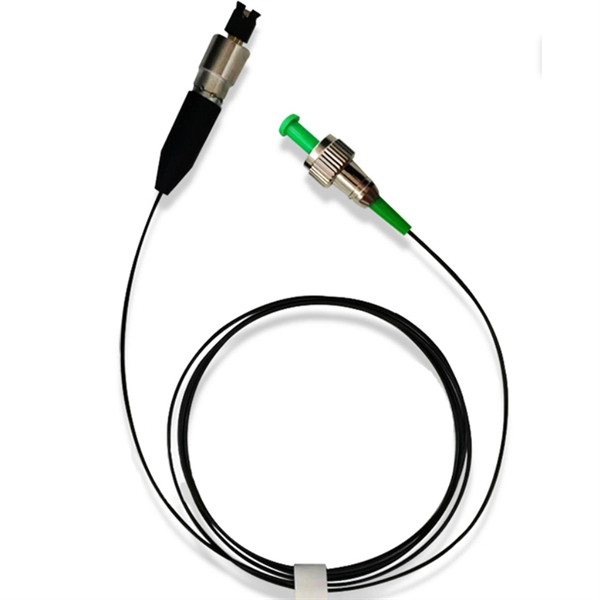
The construction of a fiber network involves careful planning and design. From the initial site survey to the final fiber to the home (FTTH) connection, every stage requires careful planning, coordination, and. Building a fiber-optic network is a complex, multi-step process...
[PDF Version]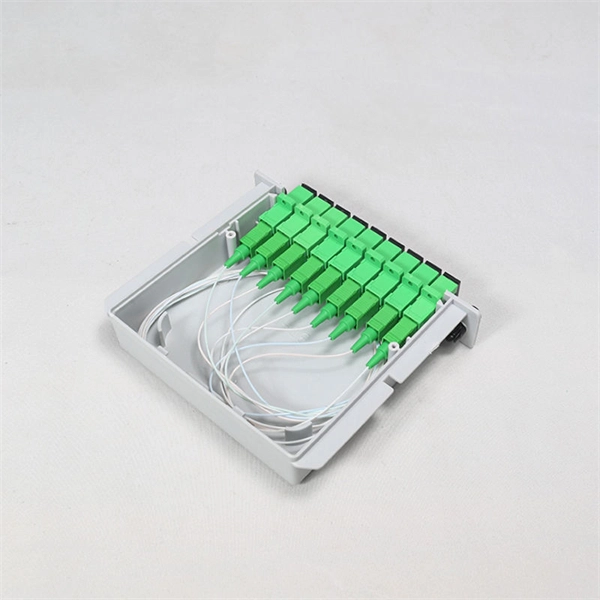
Yes, you can connect two routers to one fiber modem, but understanding the 'how' and 'why' is crucial for optimal network performance. This guide clarifies the possibilities, practical methods, and potential pitfalls, ensuring you maximize your home or small office network...
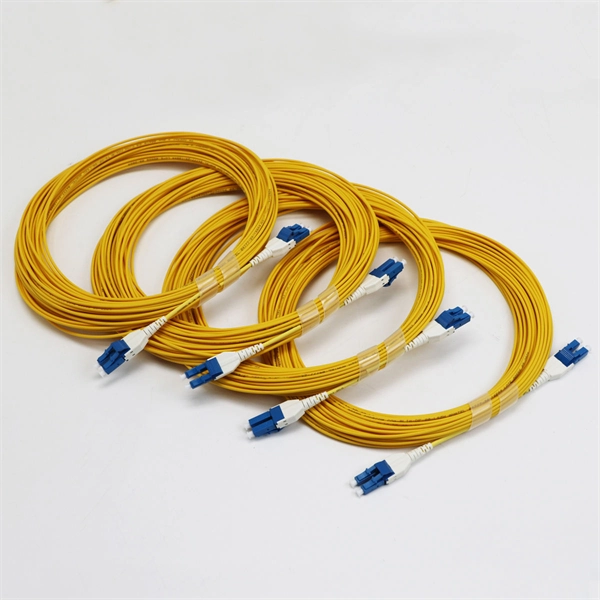
Fiber optic cables are often perceived as being fragile and prone to breakage, but this is not entirely accurate. While it is true that fiber optic cables can be damaged if they are bent or flexed too much, they are actually quite durable and can withstand a significant...
[PDF Version]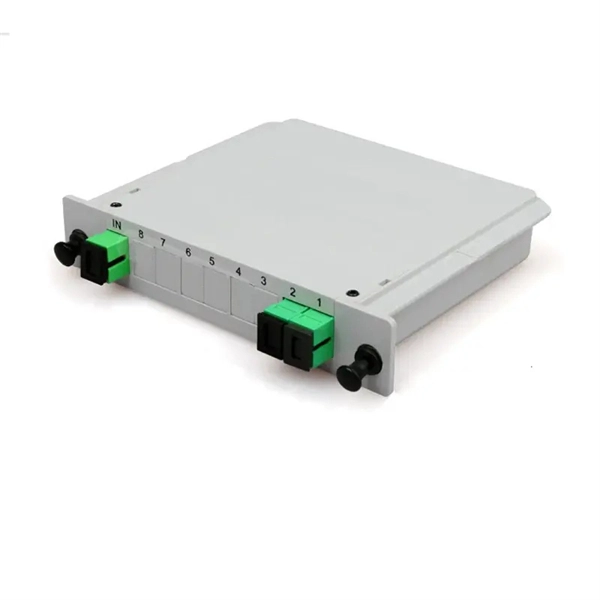
The wall-mounted FTB is designed for direct connection (procedures like splicing, fusion, terminating will be done before installation) while the rack-mounted enclosures are for cross-connect or interconnect architecture. A Fiber Termination Box, also known as an optical...
[PDF Version]Share the fiber interfaces, termination capacity, cable route and evidence required for handover.