
Fiber Optic Adapter Guide Types Tips And Solutions Fibermania
Search optical fiber, connectivity, cable management and network infrastructure references.
-
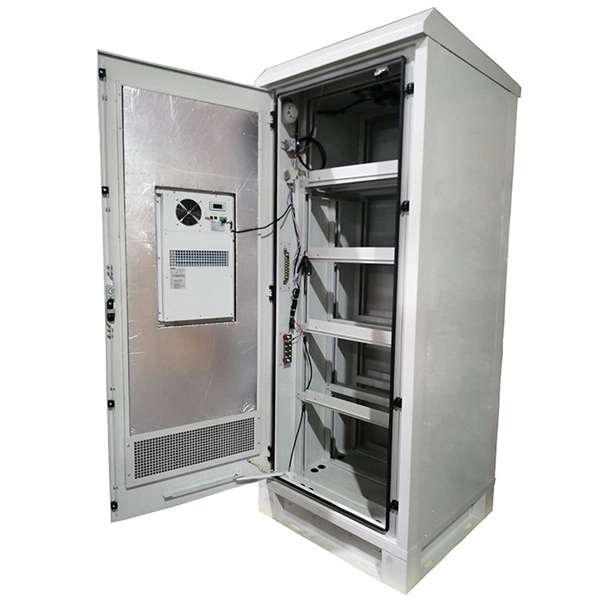
Fiber optic adapter 288 cores
The 288 core 17 port dome fiber splice closure with splitter slot is a high-capacity outdoor enclosure designed for fiber splicing, distribution, and signal splitting in OSP and FTTH networks. NG4access ® Cabled Modules available in all module sizes and fiber counts up to 864...
[PDF Version]
-
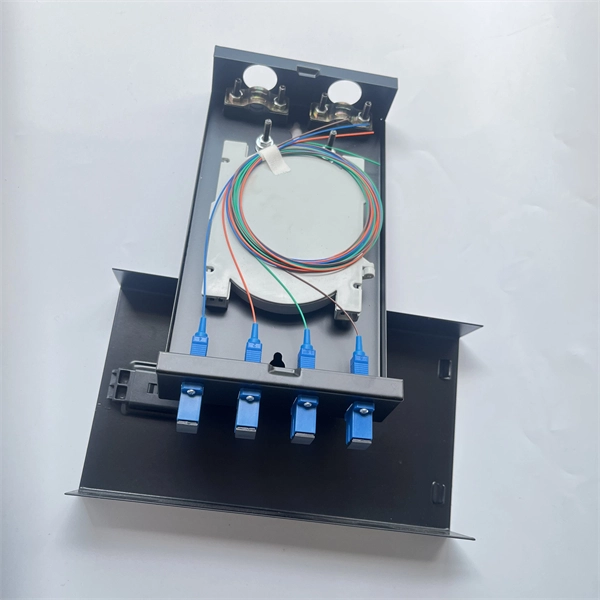
Single-mode fiber optic transceiver fault types
Despite their robustness, fiber networks can fail due to: Physical Damage : Cuts, bends, or contamination in fiber cables or connectors. Hardware Failures : Faulty transceivers, switches, or routers. Configuration Errors : IP conflicts, incorrect routing, or. This document...
[PDF Version]
-
What are the different types of fiber optic gratings
The term type in this context refers to the underlying mechanism by which grating fringes are produced in the fiber. The different methods of creating these fringes have a significant effect on physical attributes of the produced grating, particularly the temperature response...
-
What are some types of diffraction-type fiber optic sensors
Among the most prominent architectures of this type are fiber Bragg gratings (FBG), and sensors based on Raman scattering [18, 19], Brillouin scattering [14, 20], and certain interferometers like Mach–Zehnder [5, 21], Sagnac, and Michelson [6, 22]. Fiber optic current sensors...
[PDF Version]
-
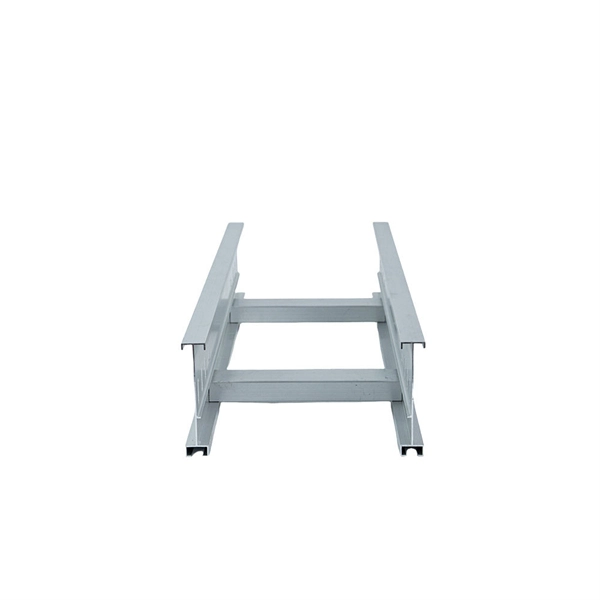
Fiber optic adapter plug-in type
They can be classified based on connector type, fiber mode, and port count., LC-LC, SC-SC, FC-FC). Connects different types of connectors (e. . A fiber optic connector is a mechanical device used to align and join optical fibers, enabling light to pass through with minimal...
-
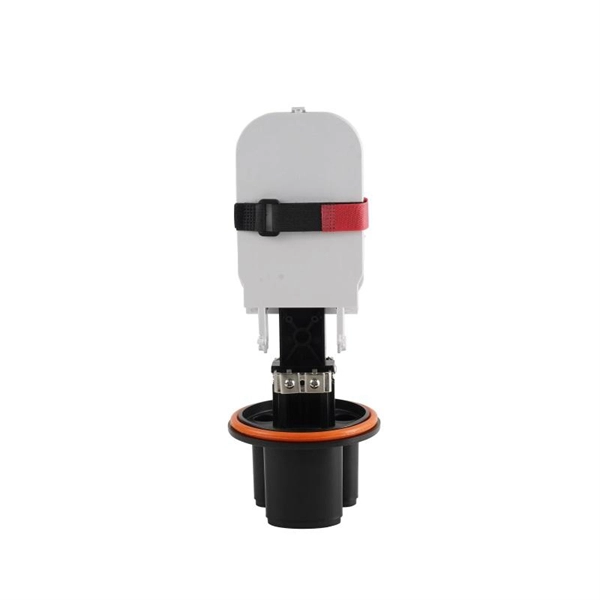
Types of fiber optic sensor structures include
Extrinsic fiber-optic sensors use an, normally a one, to transmit light from either a non-fiber optical sensor, or an electronic sensor connected to an optical transmitter. A major benefit of extrinsic sensors is their ability to reach places which are otherwise inaccessible...