
How can one identify a broken fiber optic cable?
To identify a broken fiber optic cable, start by performing a visual inspection for any physical signs of damage, such as bends, cracks, or breaks...
Search optical fiber, connectivity, cable management and network infrastructure references.
The industry standard ANSI/TIA/EIA-568-C. 3, “Optical Fiber Cabling Component Standard” specifies maximum connector insertion loss to be 0. To be able to judge whether a fiber optic cable plant is good, one does a insertion loss test with a light source and power meter and...
[PDF Version]
The typical specification range of return loss of a fiber connector is -15 dB to -60 dB. To be able to judge whether a fiber optic cable plant is good, one does a insertion loss test with a light source and power meter and compares that to an estimate of what is a reasonable...
[PDF Version]
The max insertion loss of a fiber patch cable is 0. For each connector, we usually figure 0. 75 max per EIA/TIA 568) When testing cable plants per OFSTP-14 (double ended). At TREND Networks, we are frequently asked how much loss is allowed when conducting testing on fiber...
[PDF Version]
One of the key aspects of installing fiber optic pigtails is the splicing method used. Fusion splicing is often preferred as it provides a low-loss connection that is suitable for high-performance applications. Get the wrong connector type, the wrong polish, or skip proper...
[PDF Version]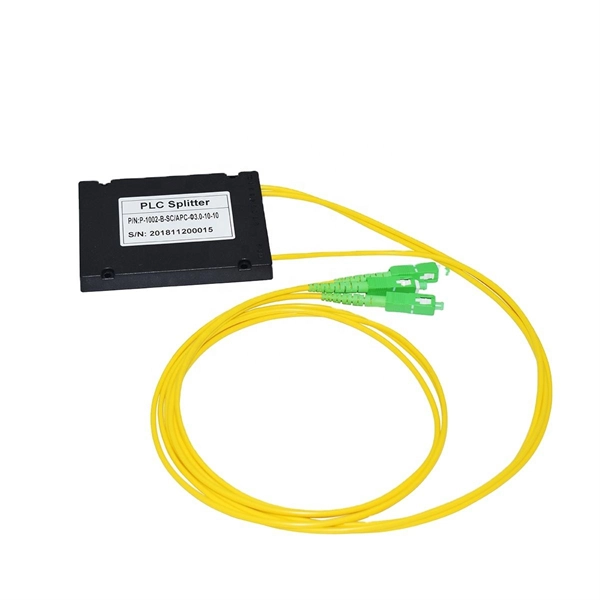
Insertion loss (IL) is quickly and accurately measured with the use of continuous wave (CW) sources in both single mode (SM) and multimode (MM) wavelengths combined with a highly repeatable optical switch. The system can be customized with multiple wavelengths and include...
[PDF Version]
FRP (Fibre Reinforced Polymer) mesh is a lightweight, corrosion-resistant solution designed for effective ground support in challenging underground environments. As a key component, the low mechanical load-bearing capacity of trays significantly limits their widespread...
Network engineers rely on Optical Time Domain Reflectometer (OTDR) testing as a primary method for splice loss measurement after fusion splicing. Fiber Stripping: Selecting Precise Tools and Techniques Selecting the appropriate stripper will depend on the fiber coating...
[PDF Version]
Fiber Network Troubleshooting – Common Issues & FixesLearn how to troubleshoot fiber networks. Identify common issues like high loss, dirty connectors, and.
[PDF Version]To identify a broken fiber optic cable, start by performing a visual inspection for any physical signs of damage, such as bends, cracks, or breaks...
There are several methods to test fiber optic cables without a tester. One method is using a visual fault locator (VFL), as mentioned earlier, to v...
Intermittent fiber optic connections can be caused by a variety of factors, including: Poorly terminated connectors or splices that result in unsta...
Signal loss in optical fiber is very low because light is transmitted through the core by total internal reflection. Fiber optic loss, also known as optical attenuation, refers to the reduction of optical signal power as light propagates through an optical fiber link. Loss is...
[PDF Version]Share the fiber interfaces, termination capacity, cable route and evidence required for handover.