
Fiber Loss Calculator
Search optical fiber, connectivity, cable management and network infrastructure references.
-
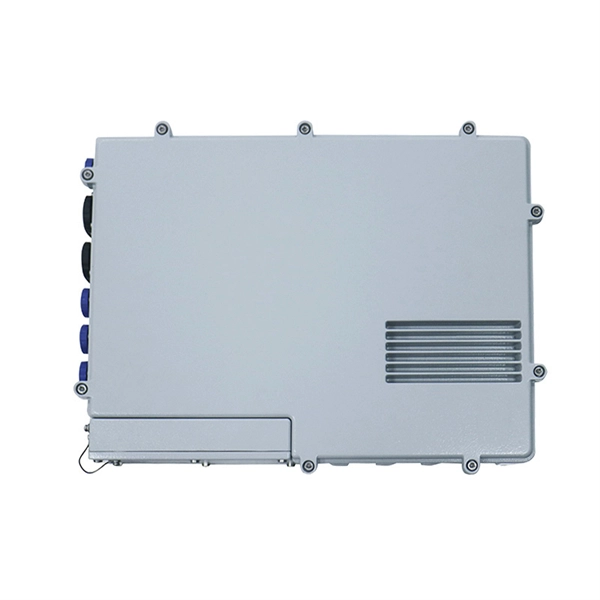
Fiber optic splice point loss standard
The industry standard ANSI/TIA/EIA-568-C. 3, “Optical Fiber Cabling Component Standard” specifies maximum connector insertion loss to be 0. To be able to judge whether a fiber optic cable plant is good, one does a insertion loss test with a light source and power meter and...
[PDF Version]
-
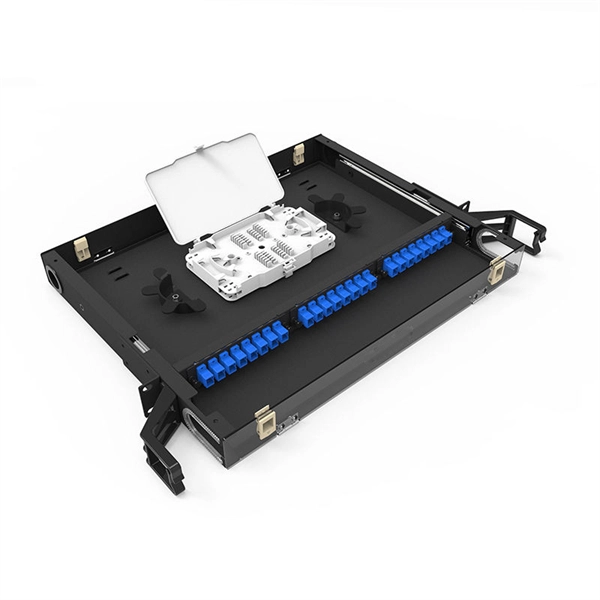
Typical loss values for fiber optic communication
The typical specification range of return loss of a fiber connector is -15 dB to -60 dB. To be able to judge whether a fiber optic cable plant is good, one does a insertion loss test with a light source and power meter and compares that to an estimate of what is a reasonable...
[PDF Version]
-
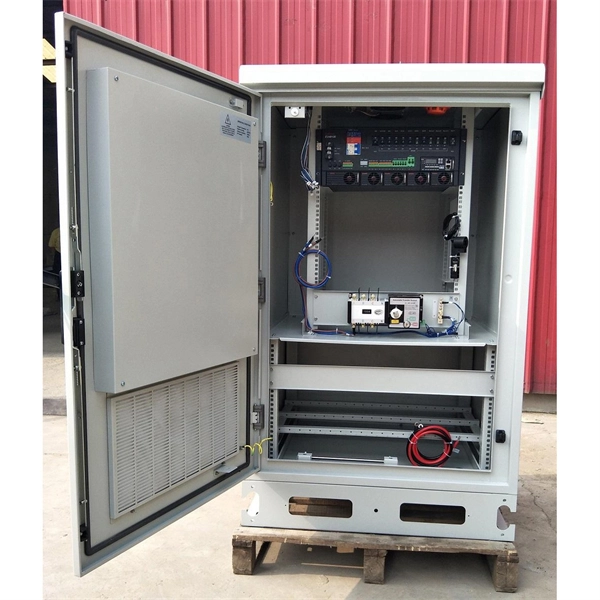
How much loss does a 1-meter fiber optic patch cord have
The max insertion loss of a fiber patch cable is 0. For each connector, we usually figure 0. 75 max per EIA/TIA 568) When testing cable plants per OFSTP-14 (double ended). At TREND Networks, we are frequently asked how much loss is allowed when conducting testing on fiber...
[PDF Version]
-
Reduce optical loss with pigtail fiber
One of the key aspects of installing fiber optic pigtails is the splicing method used. Fusion splicing is often preferred as it provides a low-loss connection that is suitable for high-performance applications. Get the wrong connector type, the wrong polish, or skip proper...
[PDF Version]
-
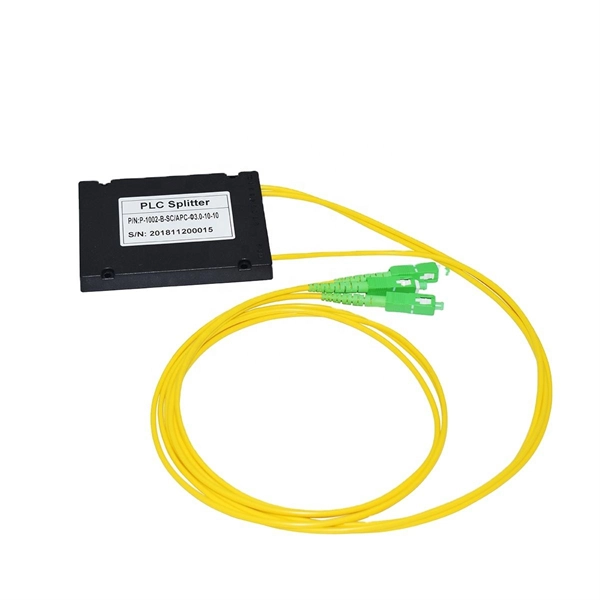
Multi-channel fiber optic insertion loss tester
Insertion loss (IL) is quickly and accurately measured with the use of continuous wave (CW) sources in both single mode (SM) and multimode (MM) wavelengths combined with a highly repeatable optical switch. The system can be customized with multiple wavelengths and include...
[PDF Version]
-
Low Loss Fiber Reinforcement Trays for Mining
FRP (Fibre Reinforced Polymer) mesh is a lightweight, corrosion-resistant solution designed for effective ground support in challenging underground environments. As a key component, the low mechanical load-bearing capacity of trays significantly limits their widespread...