
Fiber Ferrule Explained Types Materials And Use Cases
Search optical fiber, connectivity, cable management and network infrastructure references.
-
Single-mode fiber optic transceiver fault types
Despite their robustness, fiber networks can fail due to: Physical Damage : Cuts, bends, or contamination in fiber cables or connectors. Hardware Failures : Faulty transceivers, switches, or routers. Configuration Errors : IP conflicts, incorrect routing, or. This document...
[PDF Version]
-
What are the different types of fiber optic gratings
The term type in this context refers to the underlying mechanism by which grating fringes are produced in the fiber. The different methods of creating these fringes have a significant effect on physical attributes of the produced grating, particularly the temperature response...
-
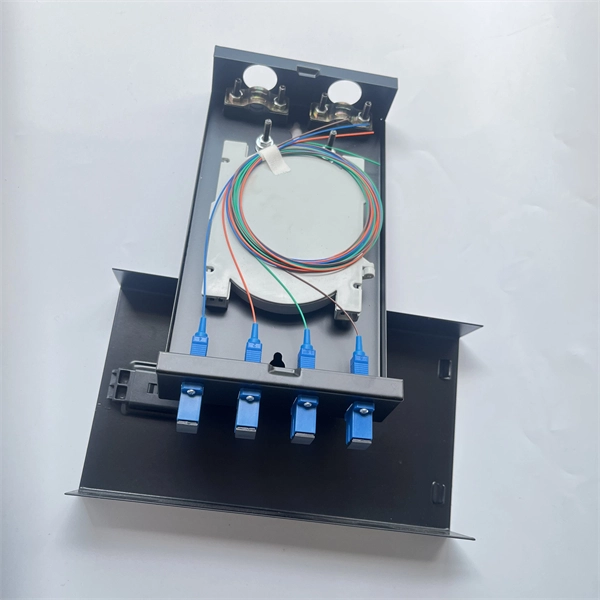
What materials are inside an optical fiber splice box
The tray is usually made of plastic or metal and can hold a varying number of fibers, depending on the size of the box. An optical cable split fiber box, also known as a fiber distribution box or fiber optic splice closure, is a device used to terminate, splice, and...
-
What are some types of diffraction-type fiber optic sensors
Among the most prominent architectures of this type are fiber Bragg gratings (FBG), and sensors based on Raman scattering [18, 19], Brillouin scattering [14, 20], and certain interferometers like Mach–Zehnder [5, 21], Sagnac, and Michelson [6, 22]. Fiber optic current sensors...
[PDF Version]
-
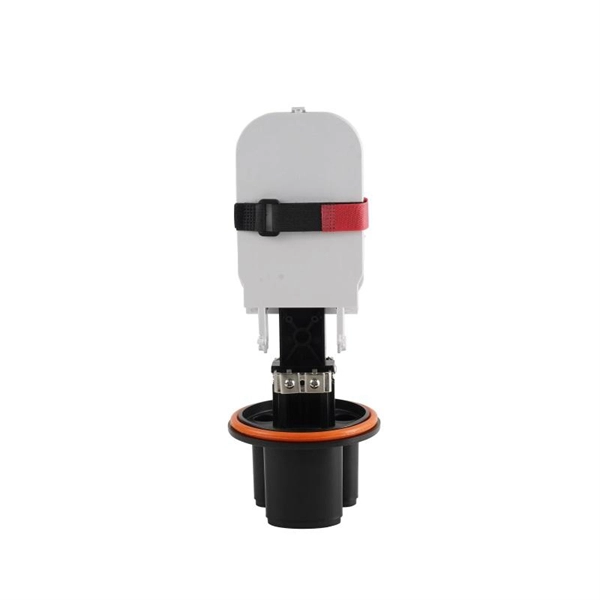
Types of fiber optic sensor structures include
Extrinsic fiber-optic sensors use an, normally a one, to transmit light from either a non-fiber optical sensor, or an electronic sensor connected to an optical transmitter. A major benefit of extrinsic sensors is their ability to reach places which are otherwise inaccessible...
-
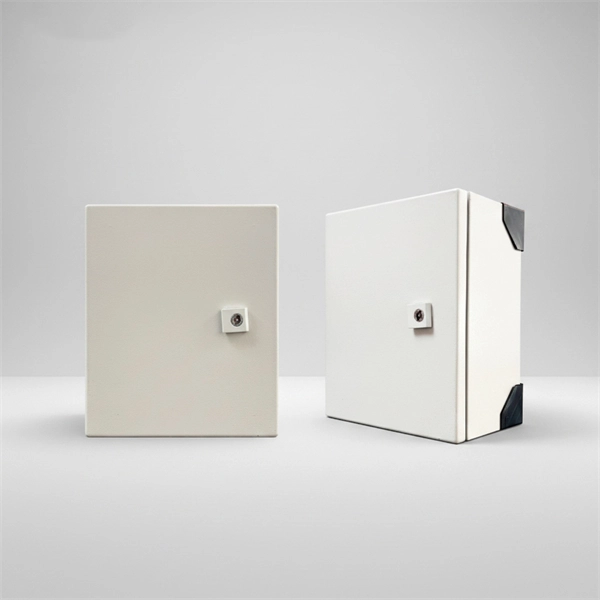
What materials are inside telecommunications fiber optic cables
The raw materials used in fiber optic cables—ranging from ultra-pure silica glass for the core and cladding, to polymers like polyethylene and aramid yarn for protection and strength—are carefully selected to ensure optimal performance, durability, and environmental...
[PDF Version]
-
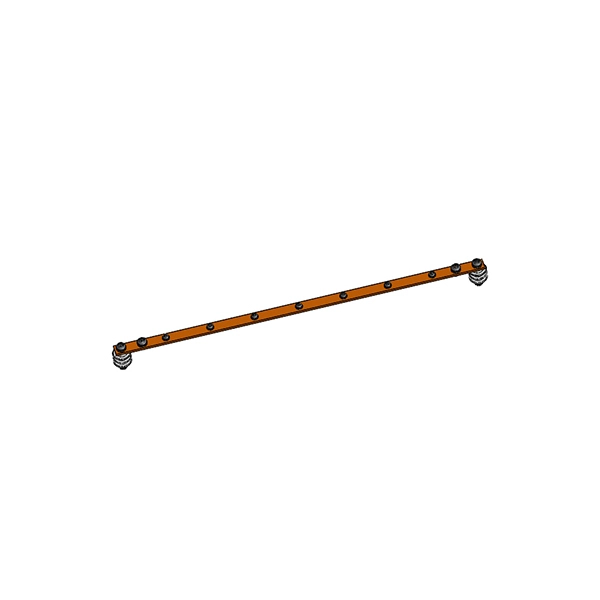
What are the different types of civilian optical fiber cables
They are of the two main categories: single-mode for high-speed transfer over long distances and multi-mode for shorter lengths within buildings or campuses. Other variations are loose-tube and tight-buffered for varying types of environments. Connector types play a crucial...
[PDF Version]
-
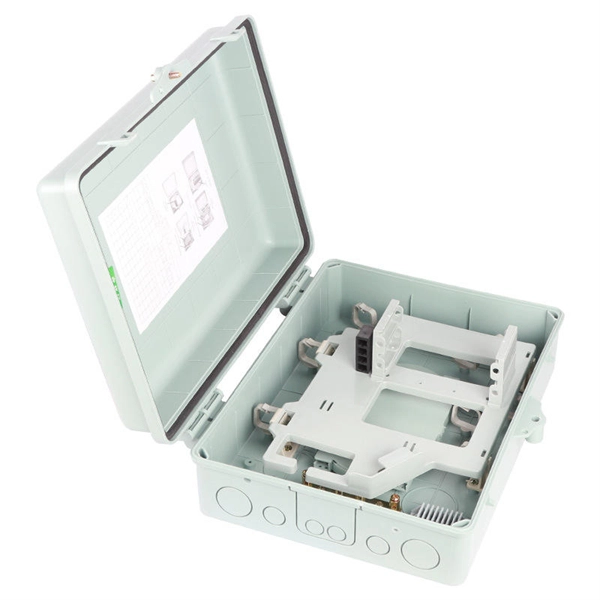
What types of fiber optic sensors are used in roads
Focus is also given to fiber-optic-sensor-based solutions for smart road applications, encompassing both well-established techniques such as Fiber Bragg Grating (FBG) sensors and distributed sensing systems, as well as emerging hybrid sensor networks. Fiber-optic sensor (FOS)...
[PDF Version]
-
FC Fiber Optic Connector Types
An optical fiber connector enables quicker connection and disconnection than splicing. Whether you're planning an FTTH deployment, upgrading a data center, or working in telecom infrastructure, this guide will help you make informed decisions. An optical fiber connector is a...