
Different Interface Types Explained
Search optical fiber, connectivity, cable management and network infrastructure references.
-
What are the different types of fiber optic gratings
The term type in this context refers to the underlying mechanism by which grating fringes are produced in the fiber. The different methods of creating these fringes have a significant effect on physical attributes of the produced grating, particularly the temperature response...
-
What are the different types of communication tower poles
Radio masts and towers are typically tall structures designed to support antennas for telecommunications and broadcasting, including television. There are two main types: guyed and self-supporting structures. Some designs resemble clock towers or flagpoles. Fold-over towers...
-
What are the different types of civilian optical fiber cables
They are of the two main categories: single-mode for high-speed transfer over long distances and multi-mode for shorter lengths within buildings or campuses. Other variations are loose-tube and tight-buffered for varying types of environments. Connector types play a crucial...
[PDF Version]
-
What are the different types of integrated power supplies
Power supplies are categorized in various ways, including by functional features. For example, a is one that maintains constant output voltage or current despite variations in load current or input voltage. Conversely, the output of an unregulated power supply can change...
[PDF Version]
-
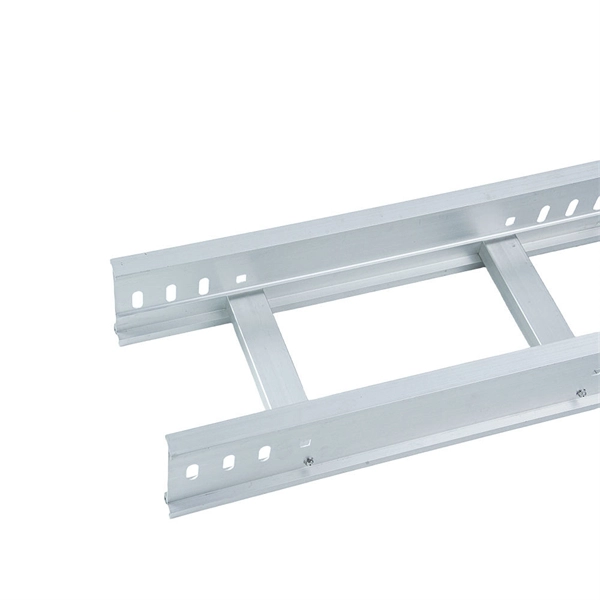
What are the different types of low-voltage cable trays
7 Types of Cable Trays: How to Choose the Right One The answer is simple: different cable characteristics and installation environments demand different tr.
[PDF Version]
-
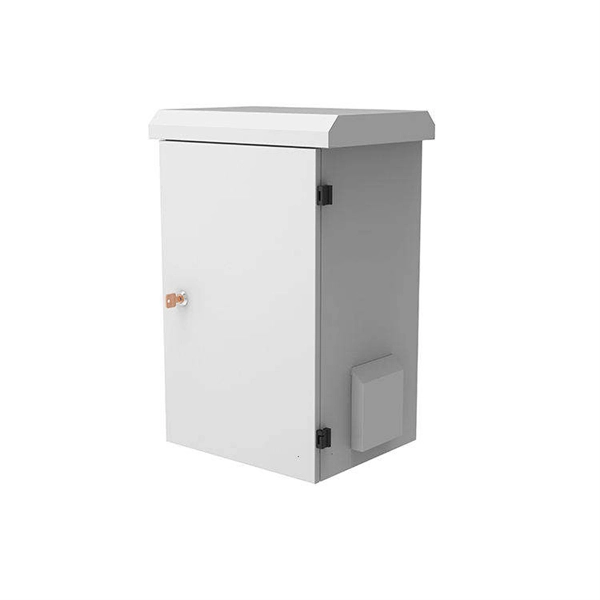
Switches for different local area networks
Ethernet switches come in various types, including Unmanaged Switches, Managed Switches (Smart and Fully Managed), PoE switches, Layer 2 switches, and Layer 3 switches. Each type offers different levels of control, security features, and management capabilities to suit...
[PDF Version]
-
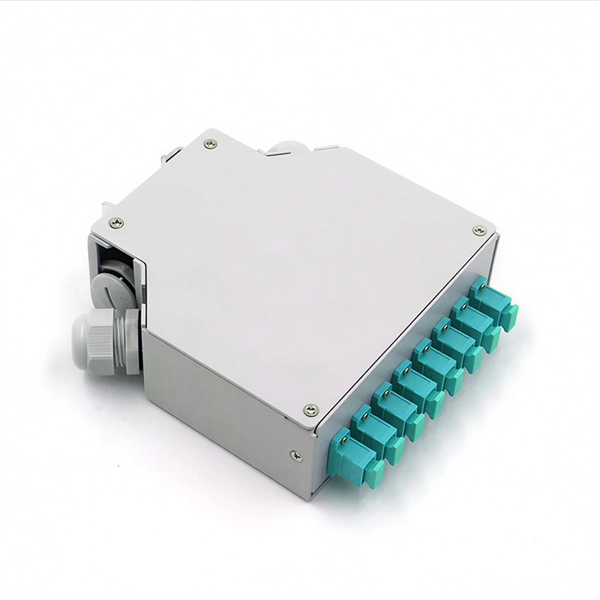
How to unplug the fiber optic terminal box interface
Unplug the power cord: Locate the power cord connected to your ONT box and unplug it from the power outlet. Wait for 30 seconds: Allow the device to discharge any residual power. How to Remove Reinstall Fiber Optic Box Outlet Disconnect Fiber Port for GPON ISP Fiber...
[PDF Version]
-
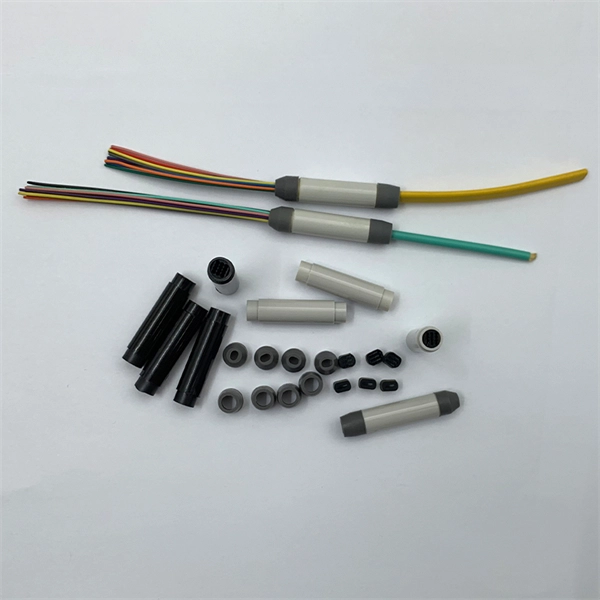
How are electromagnetic sensors classified into photoelectric types
With multiple types available—Through-beam, Diffuse-reflective, Retro-reflective, Distance-settable, and Limited-reflective—they can be selected based on the application requirements such as distance, object type, environmental conditions, and detection accuracy...
[PDF Version]
-
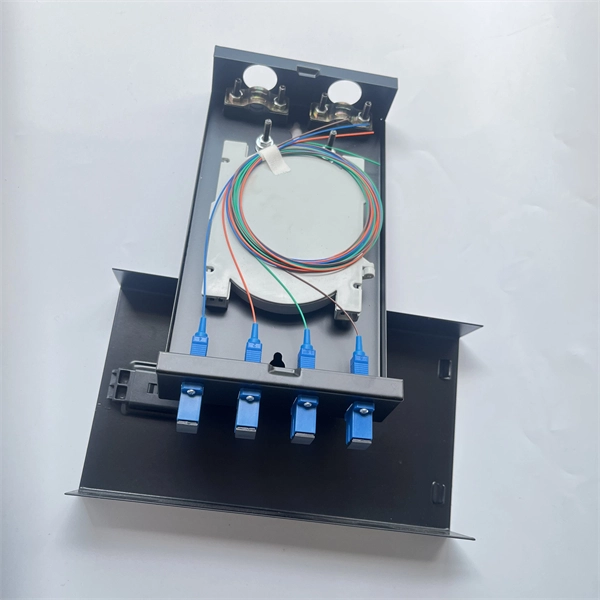
Single-mode fiber optic transceiver fault types
Despite their robustness, fiber networks can fail due to: Physical Damage : Cuts, bends, or contamination in fiber cables or connectors. Hardware Failures : Faulty transceivers, switches, or routers. Configuration Errors : IP conflicts, incorrect routing, or. This document...
[PDF Version]
-
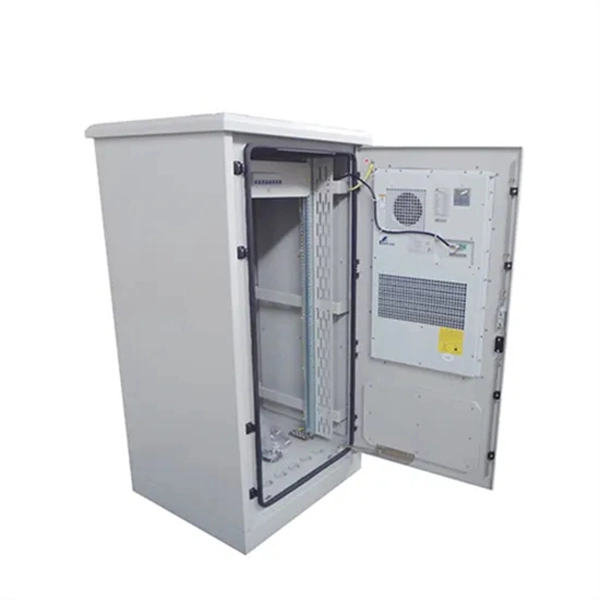
What are the different coupling methods for fiber optic arrays
What are the main methods for joining optical fibers? The primary methods are (a) fusion splicing for permanent, low-loss connections, (b) mechanical splices for semi-permanent joints, and (c) fiber connectors for connections that need to be frequently disconnected and...
[PDF Version]