
Fiber infrastructure reference
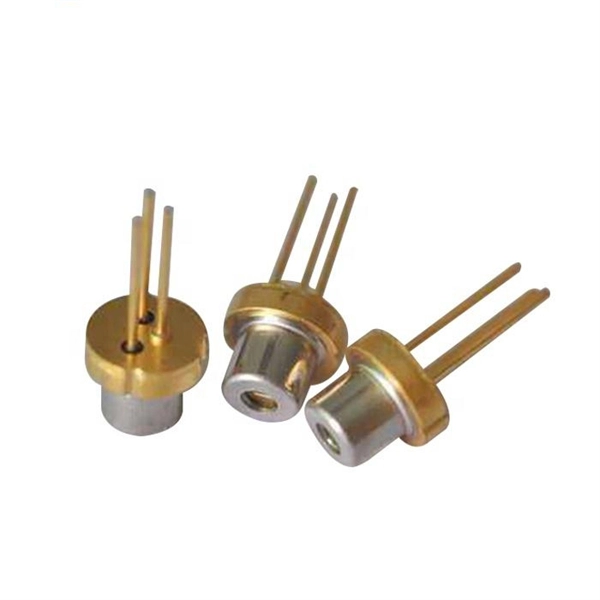
What Is an Optical Module and Its FAQs (V300)
As an important part of fiber-optic communication, an optical module is a photoelectric converter which converts electrical signals into optical signals and vice versa. An optical module
What Is an Optical Module and Its FAQs (V200)
What Is an Optical Module and Its FAQs (V200) Describes what an optical module is and FAQs, including the fundamentals, appearance and structure, key performance counters, common types,
DS: Introduction to Huawei''s optical fiber chip technology
- Self-developed silicon photonic chips are used in 400G/800G optical modules, realizing optical-electrical integrated design and reducing power consumption by 30%.
01-10 OPTICAL MODULES
If an optical module is installed in a running device, you can run the display transceiver command to view parameters of the optical module, including the center wavelength, transmission distance, fiber
Is Huawei a manufacturer of optical chips or optical modules?
In essence, Huawei is primarily an optical module provider powered by in-house optical chip technology, giving it control over performance, reliability, and supply chain security in the
Huawei Unveils StarryLink Optical Modules That Deliver Ultimate
Barcelona, Spain (ANTARA/PRNewswire)- At the Mobile World Congress 2025 (MWC 2025), Huawei launched the StarryLink optical modules, designed to enhance network experiences
Huawei Optical Module Part Number Decoder
EXECUTIVE SUMMARY This document provides a comprehensive technical overview of the Huawei Optical Module Part Number Decoder, an essential framework for understanding
Huawei Optical Module Common Models
Optical modules are important devices in fiber optic communication systems. Huawei Optical Module is manufactured by Huawei Technologies Co. and originated in Shenzhen.
Optical Modules for Huawei S Series Switches
If an optical module is installed in a running switch, you can run the display transceiver command to view parameters of the optical module, including the center wavelength, transmission distance, fiber types
Huawei Unveils StarryLink Optical Modules That Deliver Ultimate
These modules ensure ultra-long distance transmission, ultra-high reliability, and ultra-robust security, delivering an ultimate network performance with ''3S'' quality."
Optical Modules in General-Purpose Computing Scenarios
Huawei offers a comprehensive portfolio of pluggable StarryLink optical modules for data center networks, with various models providing flexible plug-and-play solutions tailored to diverse interface
What Is an Optical Module
On an optical network, a sender needs to convert electrical signals into optical signals before sending them to a receiver, and the receiver needs to convert received optical signals into electrical signals.
Huawei Unveils StarryLink Optical Modules That
At MWC Barcelona 2025, Huawei introduced the StarryLink optical modules, aimed at creating a network experience with "3S" quality (Spanning, Stable, Secure). This launch took place
Understanding Optical Modules
This document explains optical modules, their types, and applications, providing a comprehensive understanding of their functionality and usage.
Understanding Optical Modules
Cables Pluggable Modules for Interfaces Important Notes About Using Optical Modules Certified for Huawei Switches Understanding Optical Modules What Is an Optical Module Types of Optical
Understanding Pluggable Optical Modules
The transmit power of a long-distance optical module is often larger than its overload power. Therefore, when using such optical modules, select optical fibers of an appropriate length to ensure that the
Types of Optical Modules
Optical modules are encapsulated in different modes to provide different structures. Huawei routers support optical modules of the following encapsulation types: SFP, eSFP, SFP+, XFP, and QSFP+.
Understanding Optical Modules
10GE SFP+ Copper Modules Accessories Understanding Optical Modules What Is an Optical Module Types of Optical Modules Parameter Description How to View Optical Module Parameters Rules for
Related Video Reference
This video was associated with the source search result. Verify technical details against current product documentation and project requirements.