
How can one identify a broken fiber optic cable?
To identify a broken fiber optic cable, start by performing a visual inspection for any physical signs of damage, such as bends, cracks, or breaks...
Search optical fiber, connectivity, cable management and network infrastructure references.
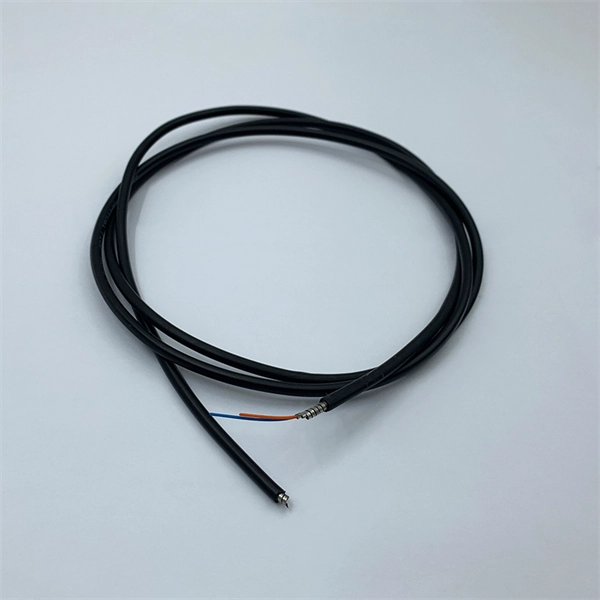
A network drop is a physical termination point where a network cable connects to a computing device. Serving as the final link in the networking chain, it plays a vital role in ensuring a stable and reliable. A cable drop is a single run of cable from a distribution point to...
[PDF Version]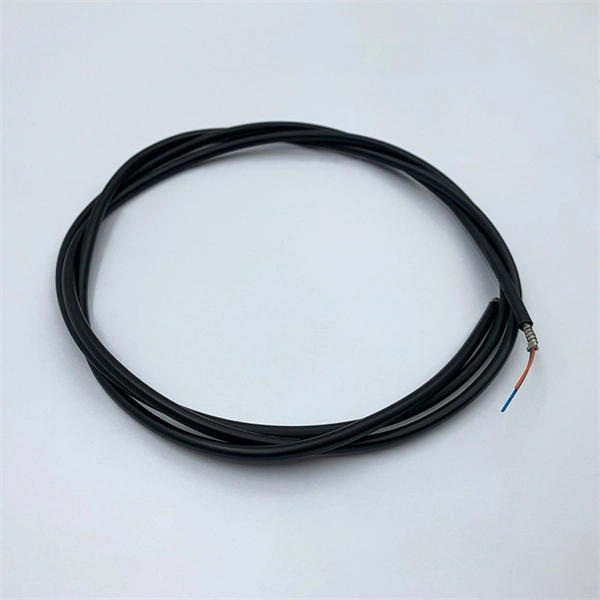
Check for signs of corrosion or rust. Inspect for any physical damage to the enclosure. Ensure that all labels and warning signs are legible. Forget cookie-cutter checklists – we're talking about the real, practical inspection points that determine whether a distribution box...
[PDF Version]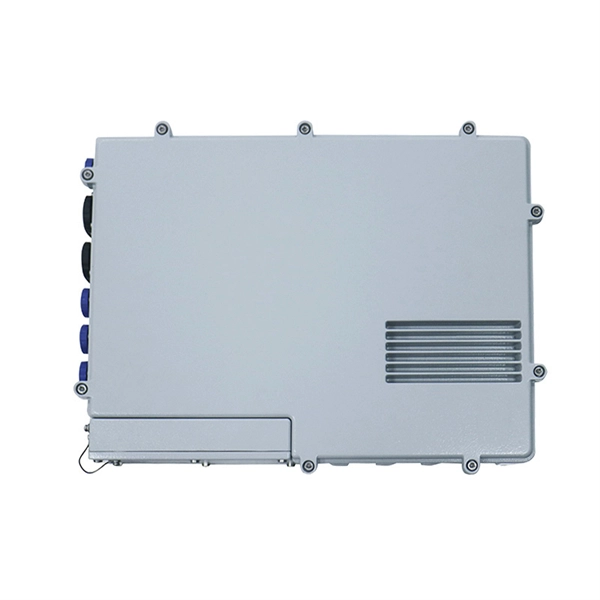
The industry standard ANSI/TIA/EIA-568-C. 3, “Optical Fiber Cabling Component Standard” specifies maximum connector insertion loss to be 0. To be able to judge whether a fiber optic cable plant is good, one does a insertion loss test with a light source and power meter and...
[PDF Version]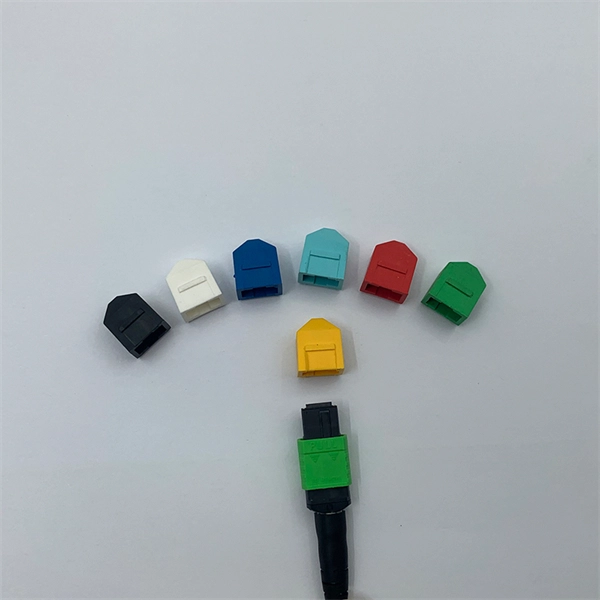
Flameproof Ex d cable entries are elements which allow electrical cables to be introduced into an Ex d enclosure, without danger of explosion. The additional Ex e terminal housing is not required. A main distribution box may by used or the connections can be made outside the...
[PDF Version]
Normal WDM (sometimes called BWDM) uses the two normal wavelengths 1310 and 1550 nm on one fiber. Dense WDM (DWDM) uses the C-Band (1530 nm-1565 nm) transmission window but with denser channel. In fiber-optic communications, wavelength-division multiplexing (WDM) is a...
[PDF Version]
Fiber Optic Issues: Troubleshooting & Prevention TipsSolve common fiber optic network problems—attenuation, damage, connector issues. Learn troubleshooting.
[PDF Version]To identify a broken fiber optic cable, start by performing a visual inspection for any physical signs of damage, such as bends, cracks, or breaks...
There are several methods to test fiber optic cables without a tester. One method is using a visual fault locator (VFL), as mentioned earlier, to v...
Intermittent fiber optic connections can be caused by a variety of factors, including: Poorly terminated connectors or splices that result in unsta...
Share the fiber interfaces, termination capacity, cable route and evidence required for handover.