
Comparing Passive And Active Dwdm Systems
Search optical fiber, connectivity, cable management and network infrastructure references.
-
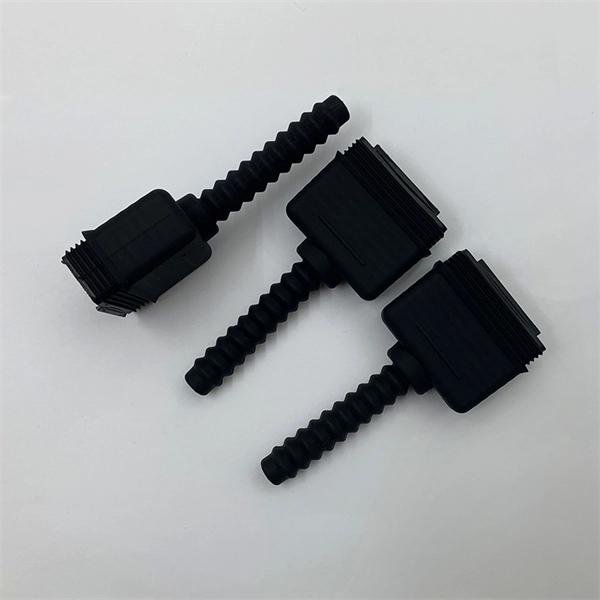
Active and Passive Beam Splitters
A passive splitter does exactly what its name implies: it splits a signal without using any external power. Whether you're dealing with fiber optic networks, HDMI video systems, or RF distribution, splitters help ensure that your signal reaches multiple endpoints efficiently...
-
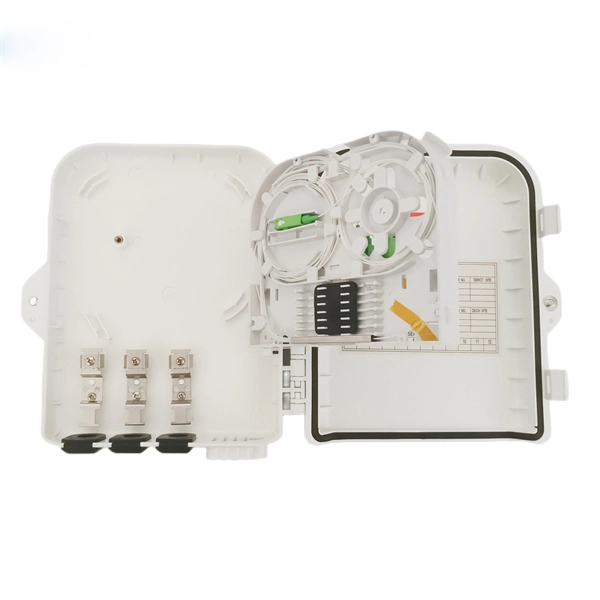
Common Interfaces in Fiber Optic Communication Systems
SC Interface The SC interface is a square-shaped connector that features a push-pull latching mechanism and a ceramic ferrule. It is commonly used in telecommunications and CATV applications. Fiber optic communication systems are key players in. Fiber-optic communication is a...
[PDF Version]
-
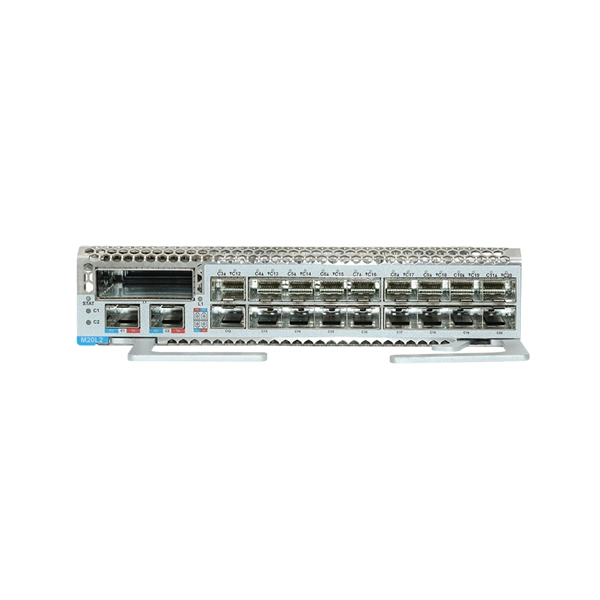
Selection Guide for Low-Loss Active Optical Modules for Power Grid Private Networks
This article will analyze key performance parameters such as transmission rate, wavelength, numerical aperture (NA), output power, and receive sensitivity of optical modules. It will also discuss how to choose suitable optical modules based on practical requirements. As...
[PDF Version]
-
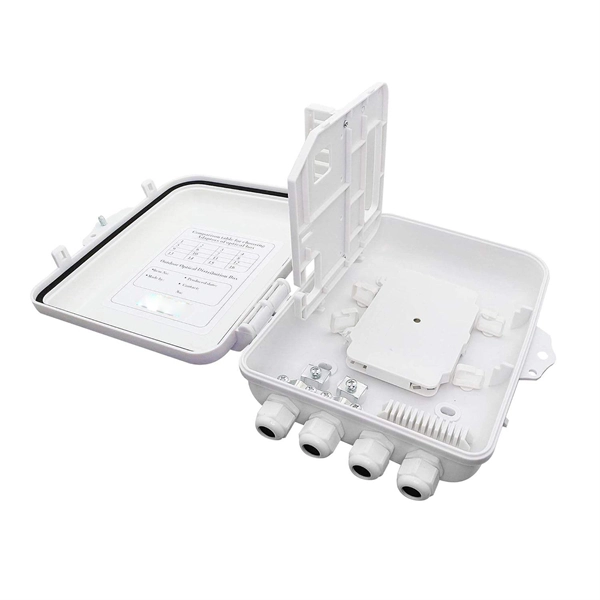
Are fiber optic communication systems useful
is used by telecommunications companies to transmit telephone signals, Internet communication and cable television signals. It is also used in other industries, including medical, defense, government, industrial and commercial. In addition to serving the purposes of...
-
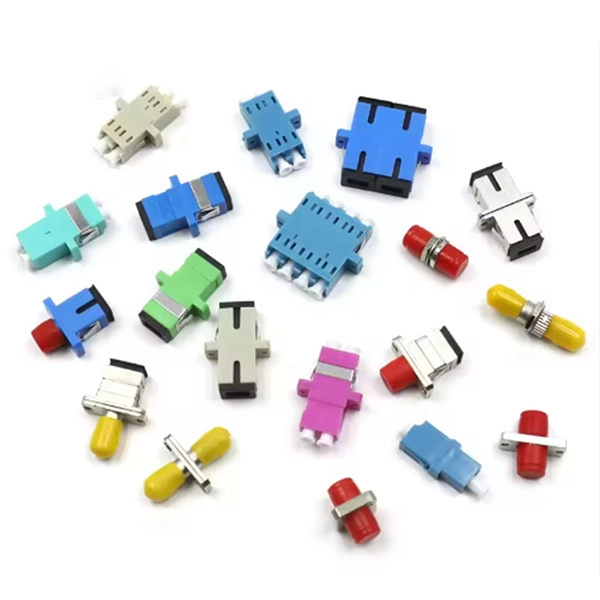
Active Optical Cable Distribution Frame
An Optical Distribution Frame (ODF) is a dedicated unit designed to organize, terminate, and interconnect fiber optic cables. As data centers, enterprises, telecom operators, and smart-building infrastructures deploy increasingly dense fiber links, ODFs provide the...
[PDF Version]
-
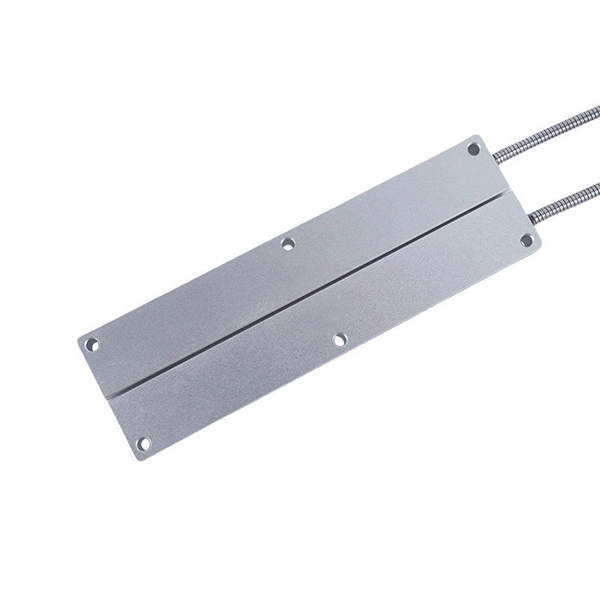
Construction Principle of Passive Beam Splitter
In its most common form, a cube, a beam splitter is made from two triangular glass prisms which are glued together at their base using polyester, epoxy, or urethane-based adhesives. (Before these synthetic resins, natural ones were used, e.g. Canada balsam.) The thickness of...
[PDF Version]
-
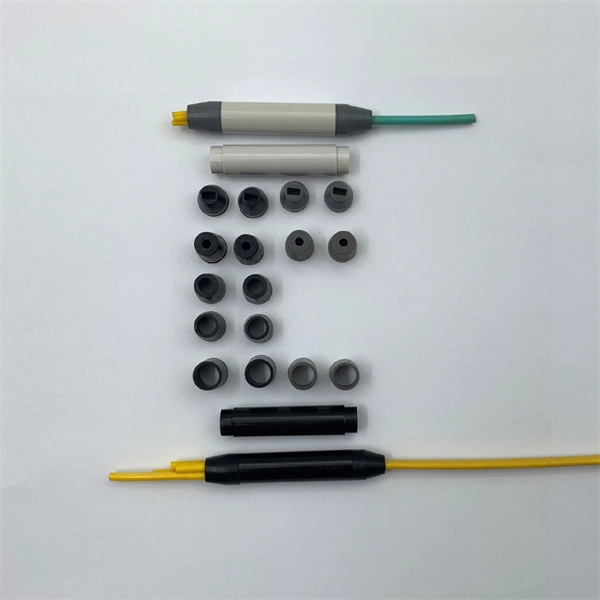
Airport-grade Passive Optical Network QSFP-DD Selection Guide
This guide explains how to choose QSFP-DD transceivers step by step, helping you avoid costly mistakes and ensure compatibility across your network. Cisco QSFP-DD and OSFP 800G ZR/ZR+ digital coherent optics modules enable 800G traffic over amplified Dense Wavelength-Division...
[PDF Version]
-
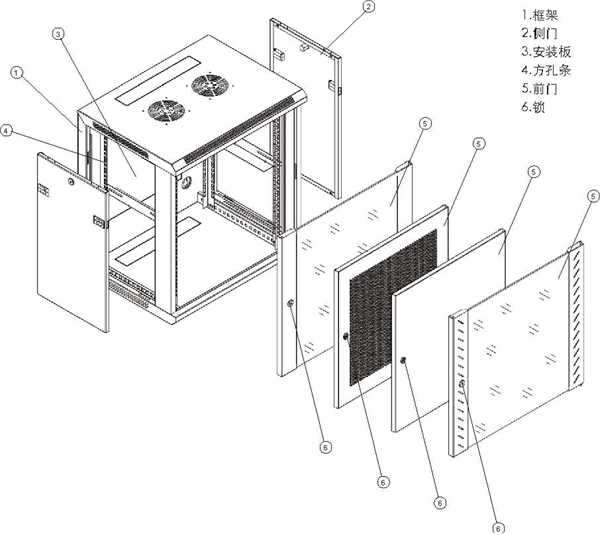
Consulting on NRZ Active Optical Modules
Asia Pacific is expected to maintain its position as the dominant force in the global optical modules market, driven by substantial investments in telecommunications infrastructure and data cent.
-
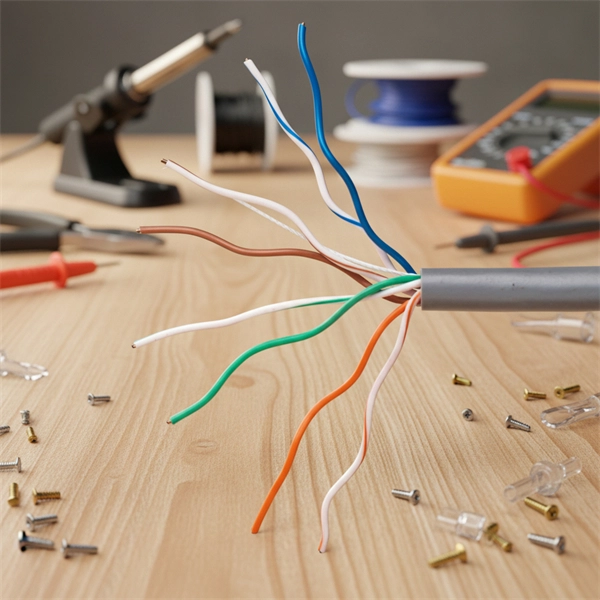
Ethernet Passive Optical Networking Optical Light
Abstract— We introduce optical local-area network (LAN) architectures based on multimode optical fiber and components, short wavelength lasers and detectors, and the widely used fast Ethernet protocol. While there are many subtle differences, a clear distinction between...
[PDF Version]
-
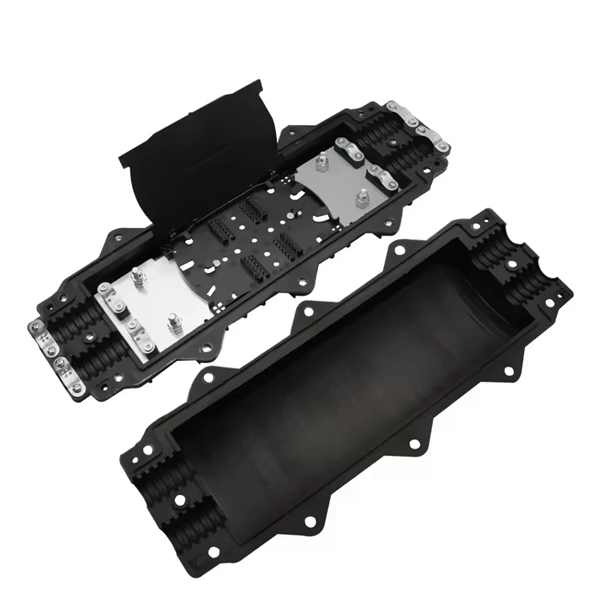
How often should relay protection systems be reviewed
According to ANSI/NFPA 70B, relays in industrial settings should be tested every two years. IEC and other standards dictate a maximum of three years between tests. Protection relay is the first line of defense against electrical faults. When a relay malfunctions or fails, the...
[PDF Version]