
Collimation Coupling
Search optical fiber, connectivity, cable management and network infrastructure references.
-
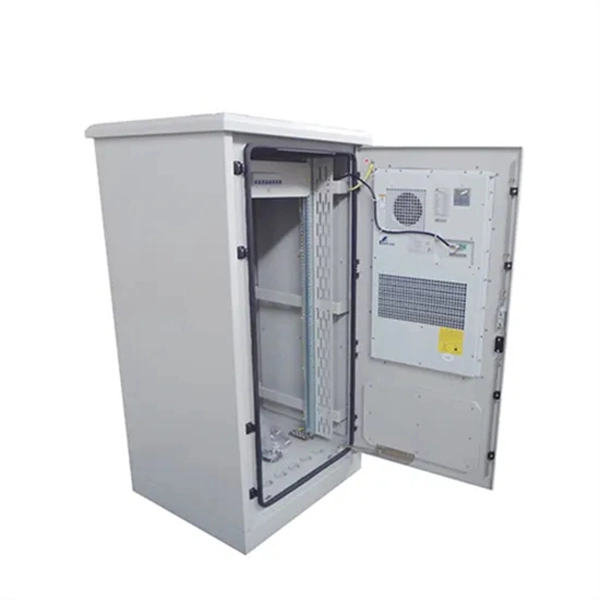
What are the different coupling methods for fiber optic arrays
What are the main methods for joining optical fibers? The primary methods are (a) fusion splicing for permanent, low-loss connections, (b) mechanical splices for semi-permanent joints, and (c) fiber connectors for connections that need to be frequently disconnected and...
[PDF Version]
-
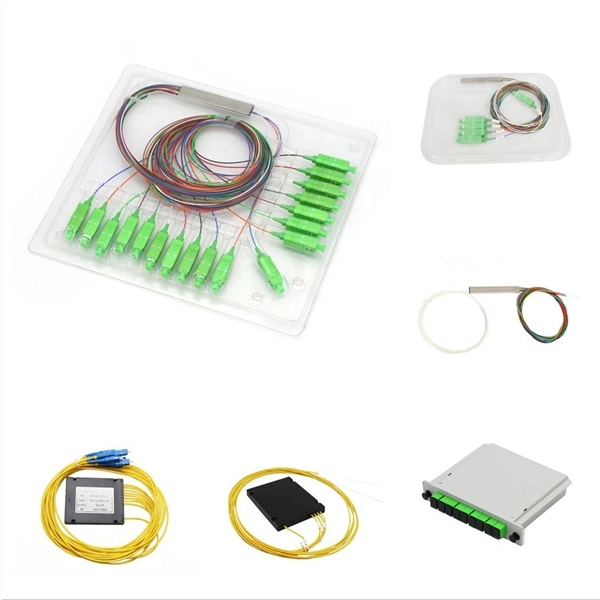
Fiber optic connector rotation coupling
A fiber optic rotary joint, also known as a fiber optic slip ring or rotary coupler, is a device that allows the transmission of light signals through an optical fiber while allowing rotation between two connected parts. FORJs maintain the intrinsic advantages of fiber end to...
[PDF Version]
-
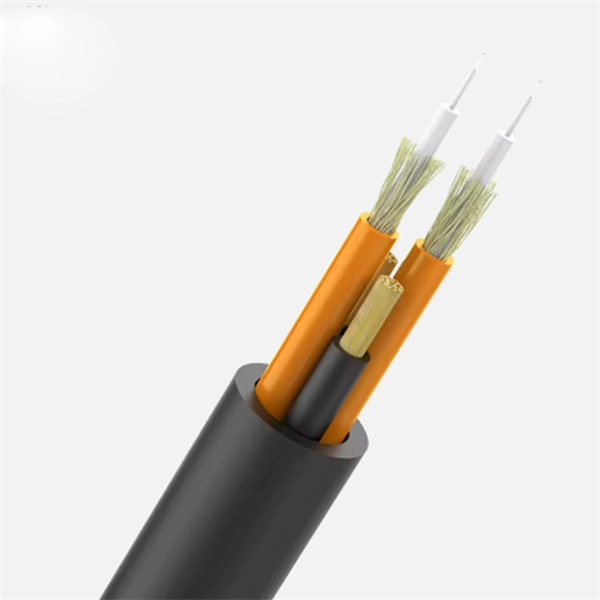
Fiber Optic Collimation Sensor
Fiber-optic collimators are used to launch the light from an optical fiber into a free space collimated beam with specified beam diameter or spot size. In essence, a simple collimation lens is all that is needed for this. Thorlabs offers a variety of fiber collimation and...
-
What causes high fiber coupling in tail jumpers
Or it could be caused by the quality of the connector itself, such as poor end-face geometry that doesn't pass the parameters defined by IEC PAS 61755-3 standards, including angle of the polish, fiber height, radius of curvature or apex offset. What factors can cause coupling...
[PDF Version]