
6 Splice Strength Reliability And Packaging
Search optical fiber, connectivity, cable management and network infrastructure references.
-
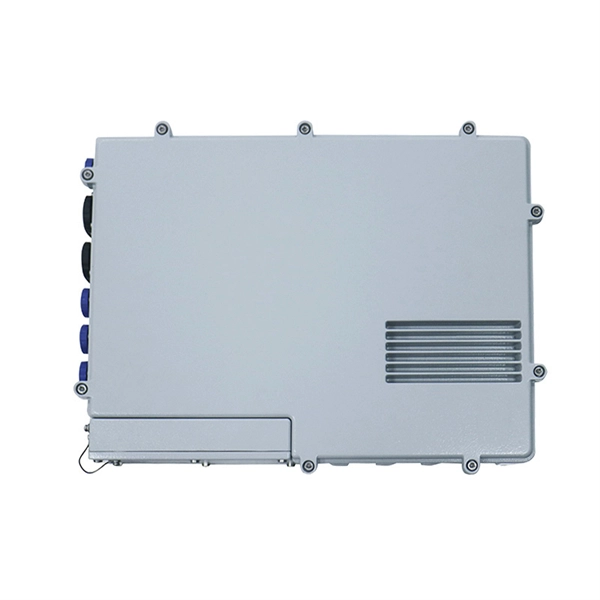
Fiber optic splice point loss standard
The industry standard ANSI/TIA/EIA-568-C. 3, “Optical Fiber Cabling Component Standard” specifies maximum connector insertion loss to be 0. To be able to judge whether a fiber optic cable plant is good, one does a insertion loss test with a light source and power meter and...
[PDF Version]
-
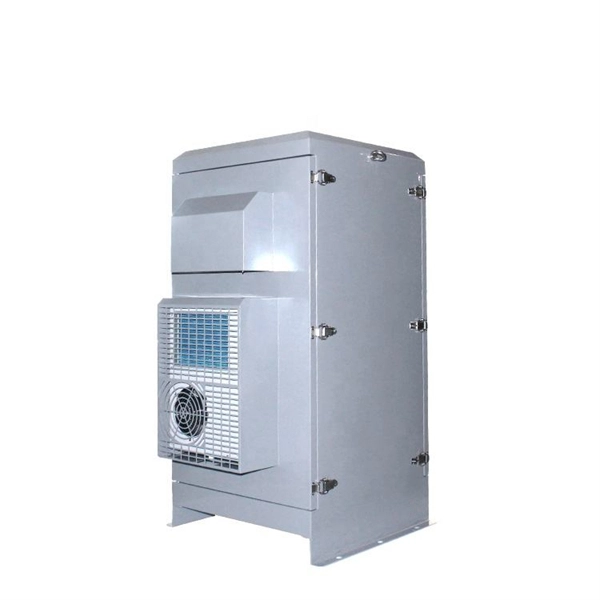
How to measure the signal strength of a single-mode fiber optic cable
To use a power meter for fiber optic testing, always clean connectors first with lint-free wipes or click-to-clean tools. Select the correct wavelength and set your reference. You measure optical power in dBm or insertion loss in dB. Consistent procedures ensure accuracy...
[PDF Version]
-
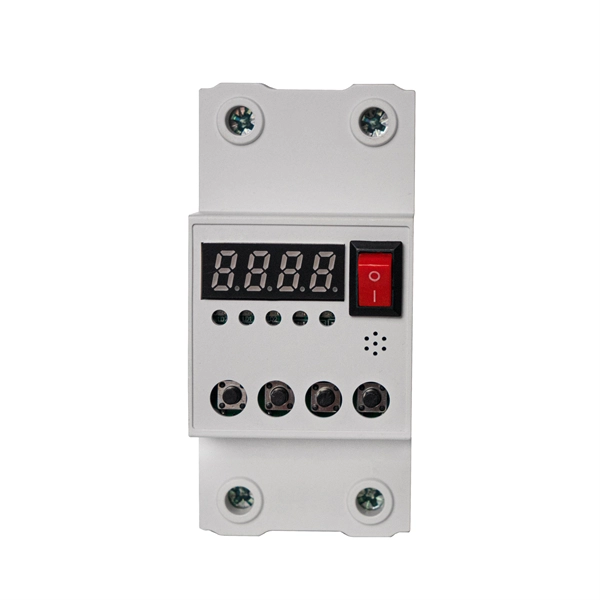
What are the requirements for overhead fiber optic splice boxes
The proper length of fiber is needed to allow splicing and then neatly storing fiber in the splice tray. Inside splice closures and at each end, cables with metallic shielding or strength members must be properly grounded and bonded. The Fiber Optic Association, Inc. The...
[PDF Version]
-
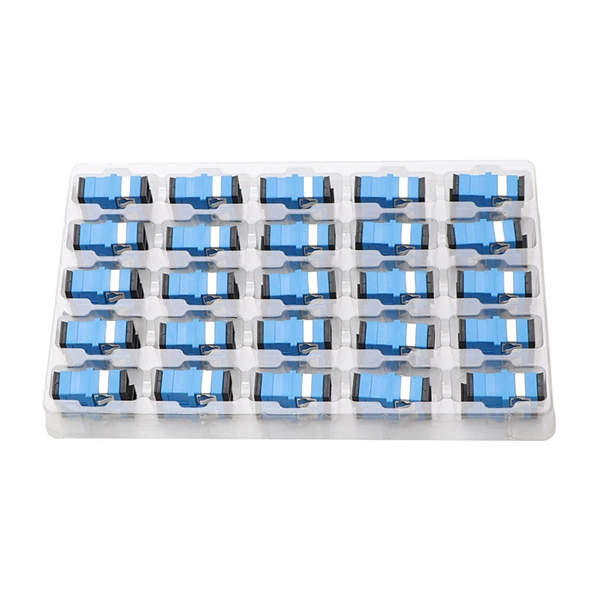
Why is there a problem with the splice box in the optical cable
Signal loss can occur in Fiber Optic Splice Closure (FOSC) due to various reasons such as dirty connectors, broken fibers, or loose connections. To troubleshoot this issue, you can try the following: Inspect the connectors for dirt or damage. Damage to the cable can cause...
[PDF Version]
-
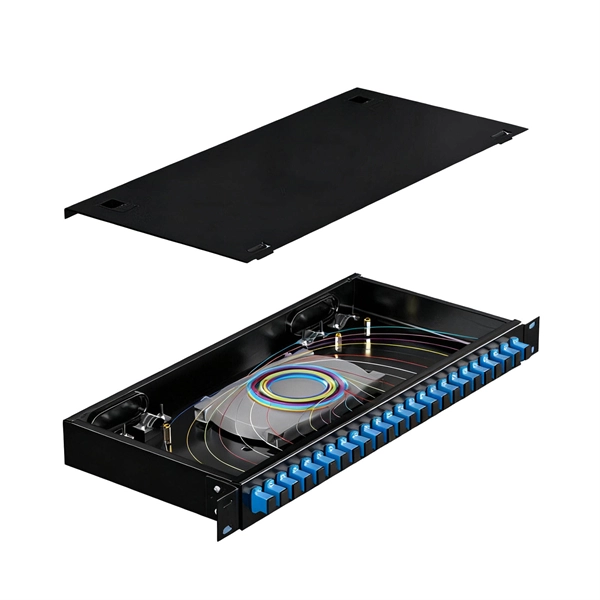
How to peel and splice armored optical cables
This guide provides a complete installation process for armored fiber optic cords, explaining each step from routing and pulling to stripping, cleaning, and testing. It also highlights key differences from standard fiber cables and important precautions to ensure safety and...
-
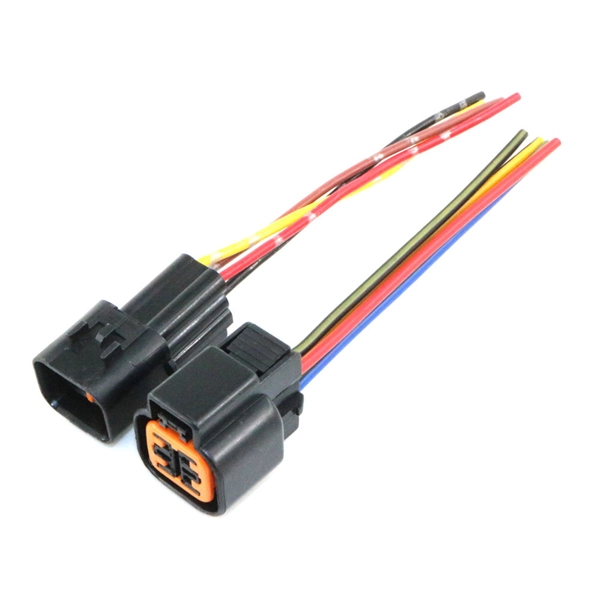
What materials are inside an optical fiber splice box
The tray is usually made of plastic or metal and can hold a varying number of fibers, depending on the size of the box. An optical cable split fiber box, also known as a fiber distribution box or fiber optic splice closure, is a device used to terminate, splice, and...
-
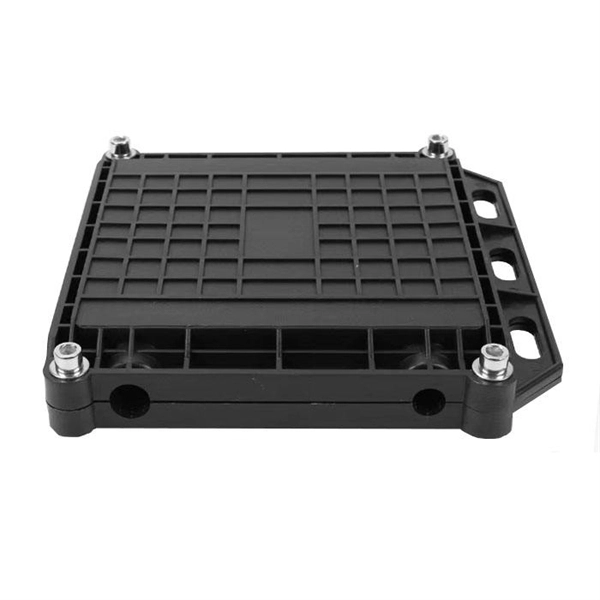
How to interpret the markings on a fiber optic splice box
Here is the most important information: 864F means the cable contains 864 fibersSM means singlemode fiber250 means the fiber has a 250 micron buffer coating0. 89 inches (metric would be in mm) 206 LB/KFT means the cable weighs 206. Understanding fiber‑optic color codes is...
[PDF Version]
-
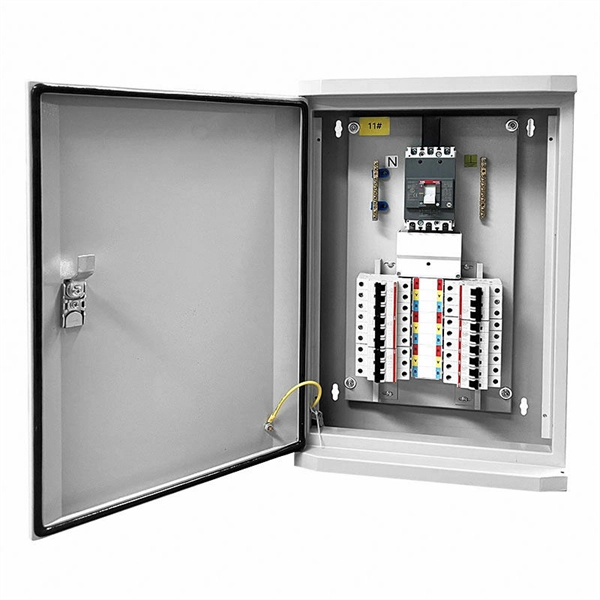
Reasons for Optical Cable Splice Failure
Poor Fiber Cleave: Angled or chipped cleaves prevent proper core alignment. Dirty Fibers: Dust, oil, and residue reduce splice quality. Misalignment: Incorrect positioning of fibers leads to light leakage. Core vs Cladding Mismatch: Using different fiber types without...
[PDF Version]
-
Fiber optic splice closure 56-core model
The T-56+ core-aligned fusion splicer achieves low splice losses and optimized operating times, supported by advanced technologies and a robust, built-to-last design manufactured in Japan. Corning Fiber Optic Splice Closures are designed for splicing fibers in aerial, duct...
-
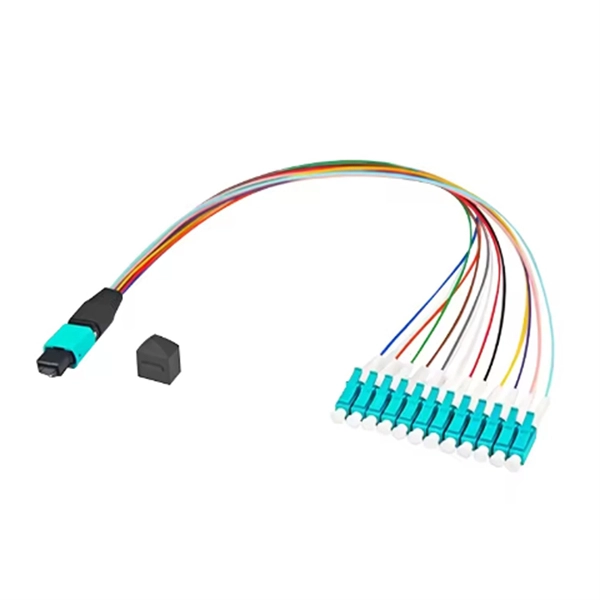
How much does it cost to splice an 88-core optical cable
Fusion splicing typically runs $50–$150 per splice point. Full breakdown of what drives cost - fiber type, access, contractor overhead, and testing. The "per splice" rate is the most. Fiber optic cable repair costs can vary widely depending on fiber type, run length, and...
[PDF Version]