
Zero Sequence Voltage Protection Working Principle Roles And Setting
Search optical fiber, connectivity, cable management and network infrastructure references.
-
Working Principle of Power Plant Relay Protection
Protective Relay: Working, Types, and ApplicationsLearn about protective relays, their working principle, types, and applications in power systems. Discove.
[PDF Version]
-
What is the working principle of a relay protection device
Protective Relays: Types, Working Principle & UsesWhen the relay determines that a condition exceeds its settings or logic requirements, it sends an output.
[PDF Version]
-
Working principle of circuit relay protection
A practical guide to how protective relays detect faults, trip circuit breakers, coordinate protection zones, and improve power system reliability. Core idea: Protective relays monitor electrical quantities and command protective devices to isolate faults or abnormal...
[PDF Version]
-
Principle and Function of Temperature Relay Protection
Also known as a thermal overload relay, it operates on the principle of heat generated by electrical current. This guide explains the functional mechanism, components, and typical applications of thermal relays. A thermal relay is an essential component in electrical...
-
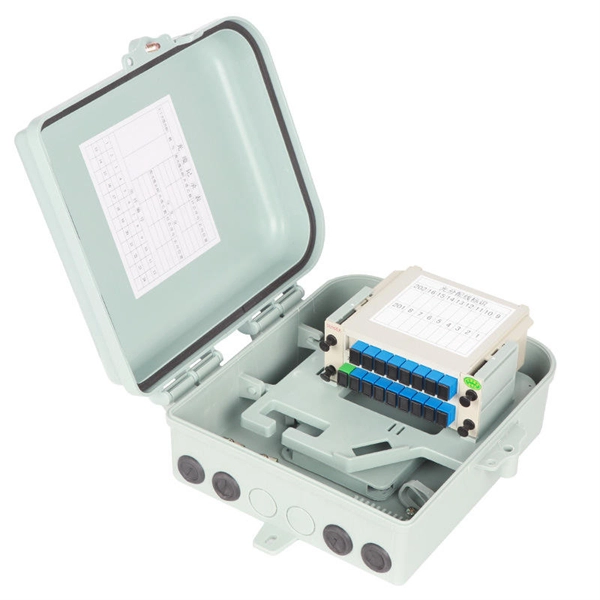
Working principle of LEDs in fiber optic communication
The working principle involves electroluminescence, where LEDs emit photons when electrons recombine with holes at the P-N junction. They utilize materials like aluminum gallium. In fiber optic communications, Light Emitting Diodes (LEDs) are a widely used type of optical...
[PDF Version]
-
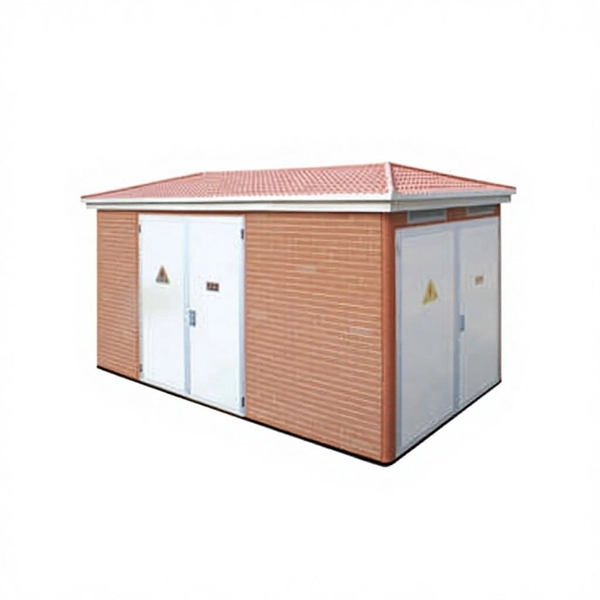
High Voltage Switchgear Busbar Principle
Busbar design in switchgear ensures safe, reliable power distribution by balancing current capacity, thermal performance, mechanical strength, insulation, and standards compliance. A busbar is a metal bar, usually made of copper or aluminum, that carries electricity inside...
[PDF Version]
-
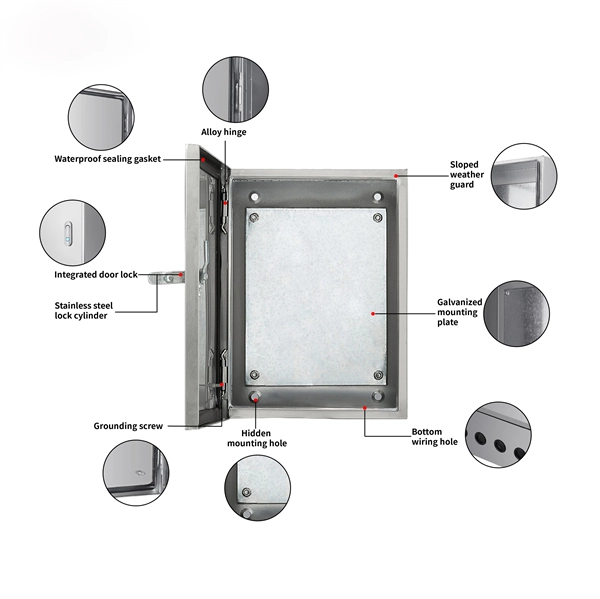
Short-circuit fault relay protection principle
Short circuit protection safeguards electrical systems by interrupting excessive current flow caused by faults. It prevents equipment damage, fire risks, and personal injury by using fuses, breakers, or relays to quickly detect and isolate dangerous short circuits. Users can...
[PDF Version]