
Xrf Analysis And Principle Explained Non Destructive
Search optical fiber, connectivity, cable management and network infrastructure references.
-
Principle of Airflow Deployment of Optical Cables
Air-blown optical cable technology is an engineering technology that uses high-pressure airflow to push the optical cable to be laid in a suspended manner. Placing optical fiber cables in duct systems using air-assisted installation techniques presents different installation...
-
Principle of Measuring Photovoltaic Panel Power with a Multimeter
Testing solar panels is easy with a multimeter! To test the current, simply connect the multimeter to the panel's output. Measuring their power output helps identify underperforming units, diagnose wiring issues, and maximize ROI. Here's what you'll need: Let's break down the...
-
Communication Principle of Optical-to-Electrical Module
At the heart of every optical transceiver lie three essential components, often called the “Three Pillars” of optical communication: Laser — generates light. Modulator — encodes data onto the light. They mainly consist of optoelectronic components (such as optical...
[PDF Version]
-
Principle of the Burundi Spectrometer
A spectrophotometer is an instrument that measures the amount of light absorbed by a sample.Spectrophotometer techniques are mostly used t.
-
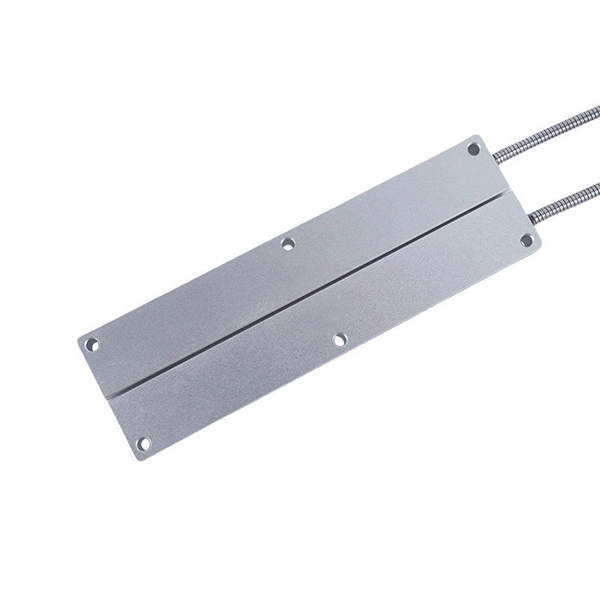
Construction Principle of Passive Beam Splitter
In its most common form, a cube, a beam splitter is made from two triangular glass prisms which are glued together at their base using polyester, epoxy, or urethane-based adhesives. (Before these synthetic resins, natural ones were used, e.g. Canada balsam.) The thickness of...
[PDF Version]
-
Multiplexing principle of multi-core few-mode optical fiber
We report the realization of a monolithic mode-selective few-mode multicore fiber multiplexer capable of addressing the individual modes of such a fiber.
-
Principle and Function of Temperature Relay Protection
Also known as a thermal overload relay, it operates on the principle of heat generated by electrical current. This guide explains the functional mechanism, components, and typical applications of thermal relays. A thermal relay is an essential component in electrical...
-
Working principle of LEDs in fiber optic communication
The working principle involves electroluminescence, where LEDs emit photons when electrons recombine with holes at the P-N junction. They utilize materials like aluminum gallium. In fiber optic communications, Light Emitting Diodes (LEDs) are a widely used type of optical...
[PDF Version]
-
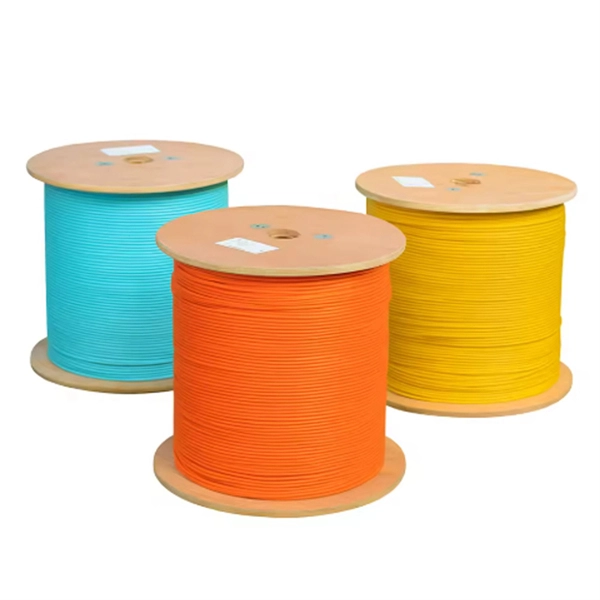
Analysis of the Cable Tray and Busbar Electrical Industry
This Insight Report provides a comprehensive analysis of the global Electrical Busbar Tray landscape and highlights key trends related to product segmentation, company formation, revenue, and market share, latest development, and M&A activity. Electrical Busbar Tray by...
[PDF Version]
-
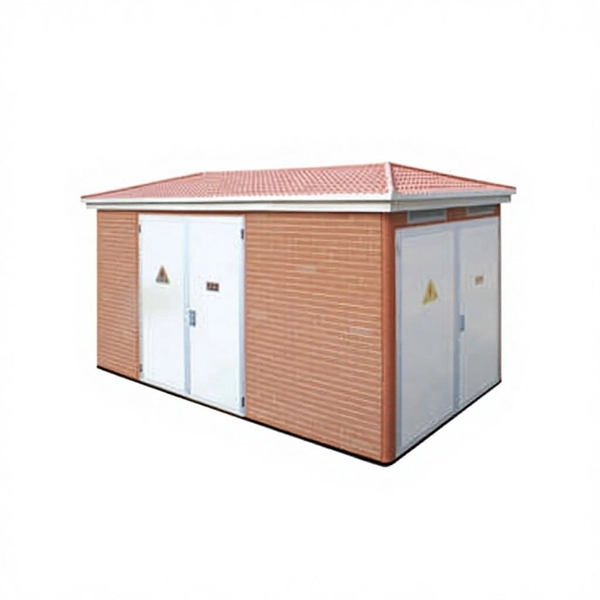
High Voltage Switchgear Busbar Principle
Busbar design in switchgear ensures safe, reliable power distribution by balancing current capacity, thermal performance, mechanical strength, insulation, and standards compliance. A busbar is a metal bar, usually made of copper or aluminum, that carries electricity inside...
[PDF Version]
More from the technical library
- Types of Brands for Optical Cable Transceivers
- Do all RRUs have optical modules
- How to connect fiber optic cables without connectors
- Do cable tray cover plates need to be drilled
- 2021 Distribution Box Exhibition
- Standard Configuration of Factory Level 2 Distribution Box
- Protective railing above the distribution box