
Why Is My Plc Output Not Working
Search optical fiber, connectivity, cable management and network infrastructure references.
-
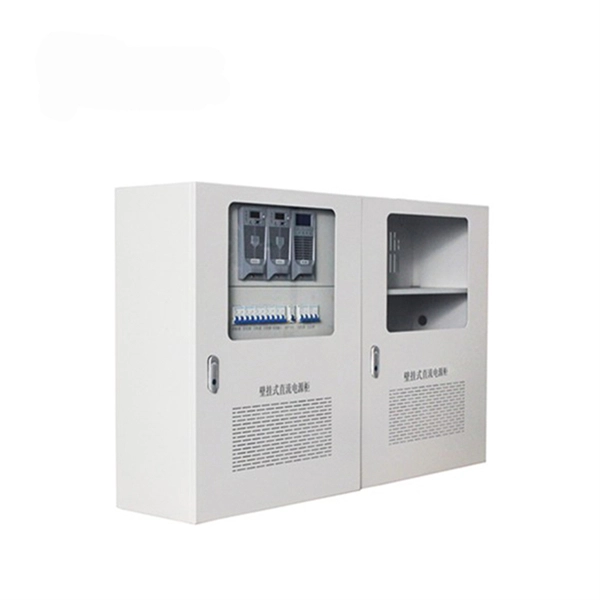
Why are fiber optic couplers called flanges
The fiber optic adapter is also called a flange or fiber optic connector. Optical fiber coupler (Coupler), also known as splitter (Splitter), connector, adapter, flange, is an electrical-optical-electrical conversion device that transmits electrical signals with light as a...
[PDF Version]
-
KVM Switcher Seamless Switching Between Two Inputs and One Output
KVM switches let you control multiple computers with one keyboard, mouse, and monitor, eliminating cable clutter and duplicate peripherals. The HDS-21RS features auto-scaling of any video signal up to 1080p, as well as PIP (picture-in-picture) technology offering. Built for...
[PDF Version]
-
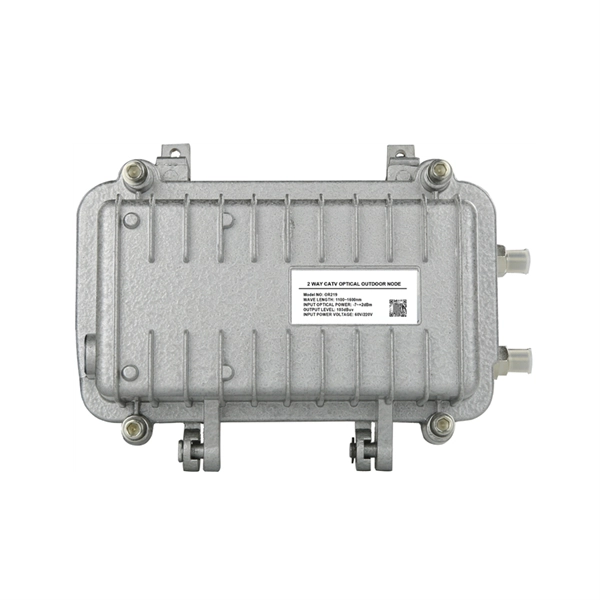
Why are fiber optic patch cords so soft
A fiber-optic patch cord is constructed from a core with a high refractive index, surrounded by a coating with a low refractive index, that is strengthened by aramid yarns and surrounded by a protective jacket. Unlike backbone cables, patch cords are frequently connected...
[PDF Version]
-
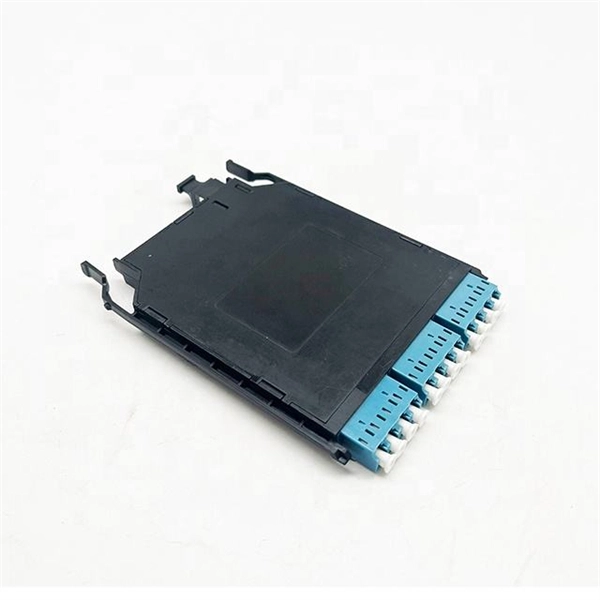
Why not use a cold connector for fiber optic internet access
Connectors are the vulnerable points in a fiber network. Studies and industry research (from sources such as the FCC and IEEE) indicate that extreme cold can affect connectors by causing water ingress to freeze, leading to physical deformation. This method is essentially...
[PDF Version]
-
Why is there a problem with the splice box in the optical cable
Signal loss can occur in Fiber Optic Splice Closure (FOSC) due to various reasons such as dirty connectors, broken fibers, or loose connections. To troubleshoot this issue, you can try the following: Inspect the connectors for dirt or damage. Damage to the cable can cause...
[PDF Version]
-
Reasons why pigtail splicing fails to enter the V-groove
Likely due to misalignment of fibers because of dirty V-grooves or not calibrating the equipment correctly—clean the V-grooves and recalibrate the equipment. More often than not, quick resets and maintenance can restore performance right on the job, minimizing downtime. There...
-
Does the optical module have separate input and output ports
Most systems use a "transceiver" which includes both transmission and receiver in a single module. An optical module is a typically hot-pluggable optical transceiver used in high-bandwidth data communications applications. Optical modules typically have an electrical...