
What Is A Protection Relay And How Does It Work
Search optical fiber, connectivity, cable management and network infrastructure references.
-
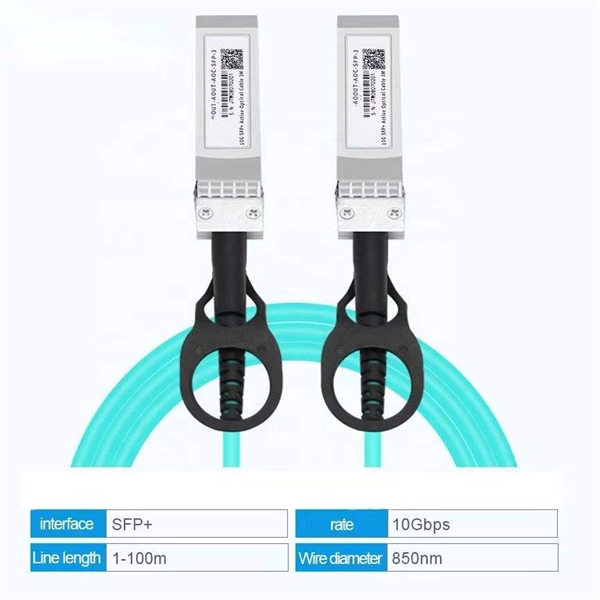
What to do if a relay protection device burns out
Failure of the Coil- The relay coil can burn due to overheating, high voltage, or continuous use. The contacts need to be cleaned or. An installed relay burned out and no longer operates. Coil layer short circuit: If a voltage in excess of the coil's rating is. Relay burnout...
[PDF Version]
-
What is QK in relay protection
Electromechanical relays can be classified into several different types as follows: "Armature"-type relays have a pivoted lever supported on a hinge or knife-edge pivot, which carries a moving contact. These relays may work on either alternating or direct current, but for...
-
How often should relay protection systems be reviewed
According to ANSI/NFPA 70B, relays in industrial settings should be tested every two years. IEC and other standards dictate a maximum of three years between tests. Protection relay is the first line of defense against electrical faults. When a relay malfunctions or fails, the...
[PDF Version]
-
What are some electrical relay protection tools
Comprehensive guide to electrical protection devices including relays, fuses, and circuit breakers, with specifications, selection criteria, and applications in aerospace, military, and motorsport industries. Testing protection systems doesn't stop at the relay. You need the...
[PDF Version]
-

What is the use of a relay protection electrician s certificate
The main objective of relay protection certification is to ensure that protective devices are capable of identifying and isolating faults within specified time limits. The Electrician Work Certificate, commonly known as the Electrician On-duty Certificate, is a mandatory...
[PDF Version]
-
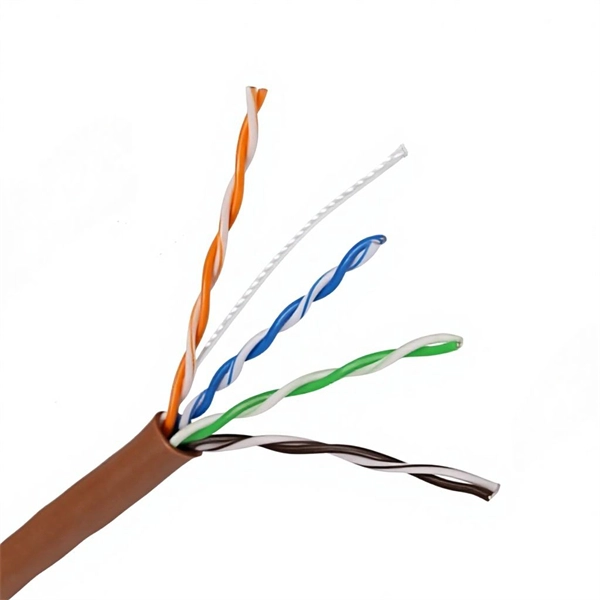
How to operate a relay protection system when it trips
Relay trip outputs usually depend on a reliable control power source, often a station battery or DC control system. The protection relay tripping circuit refers to the critical electrical control loop that executes trip/close commands from protective relays to circuit...
-
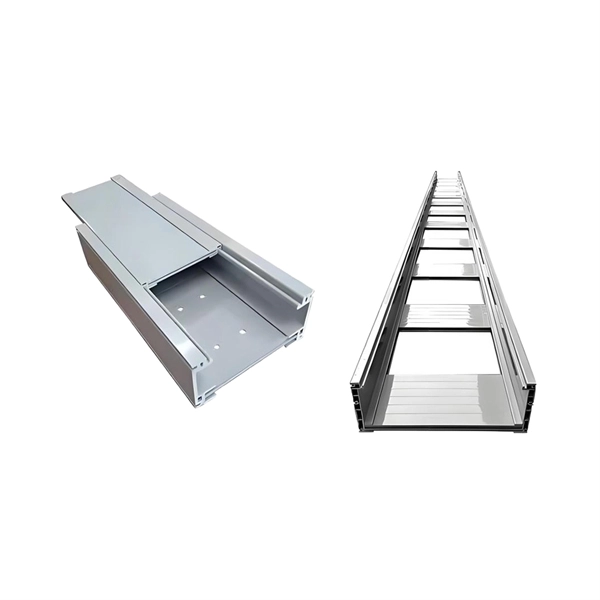
What are some relay protection instruments
Electromechanical relays can be classified into several different types as follows: "Armature"-type relays have a pivoted lever supported on a hinge or knife-edge pivot, which carries a moving contact. These relays may work on either alternating or direct current, but for...
-
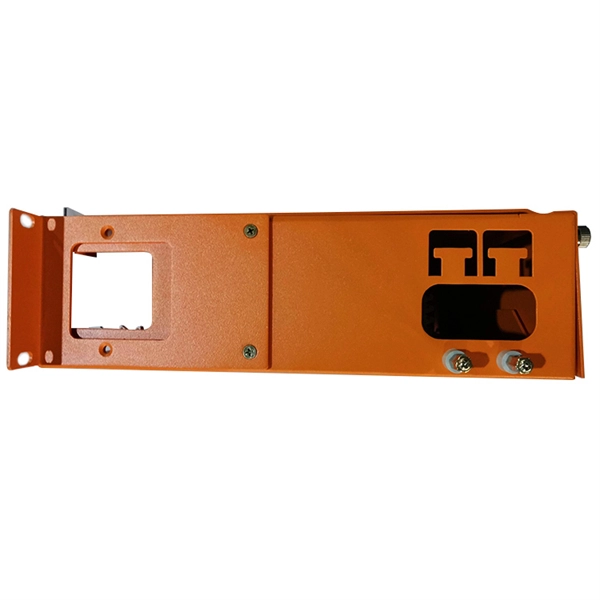
How to learn relay protection in industrial electrical engineering
Protective relay training offers an overview of power system protection, relay schemes, digital and electromechanical relays, fault detection, coordination & practical relay settings, ideal for engineers, technicians, or electrical maintenance staff. This course is designed...
[PDF Version]
-
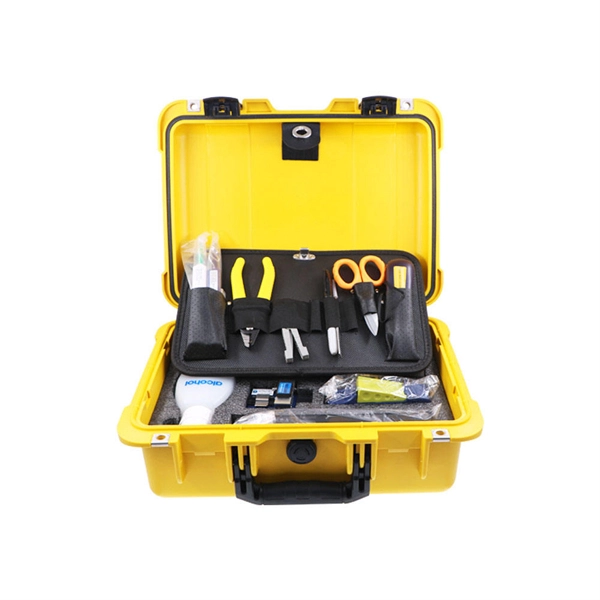
What type of relay protection is most sensitive
Differential Relay: A highly sensitive relay used to protect major assets like transformers or generators. It works by measuring the current going into a piece of equipment and the current coming out. Its primary function is to detect abnormal conditions, such as. Protective...