
Fiber infrastructure reference
Fiber Optic Cable Splicing Methods: A Practical Guide
The two primary industry-accepted methods for fiber optic cable splicing are fusion splicing and mechanical splicing. The choice between them depends on performance requirements,
Fiber Optic Cable Splicing: A Comprehensive Guide
As of now, fiber optic splicing can be carried out using one of two methods: fusion splicing and mechanical splicing. Before moving forward with a fiber optic installation, it is vital for integrators
The Ultimate Guide to Splicing of Fiber: Techniques and Tips
Effective fiber optic splicing relies on precise fiber preparation, the correct use of specialized tools like fusion splicers and mechanical splice units, and adherence to best practices for
Fiber Splicing Methods and Protection with Splice Closures
Discover the differences between fusion and mechanical splicing, learn how to ensure safe fiber optic splicing, and see why splice closures are essential for long-term network reliability.
An Overview of Splicing Techniques: Pros and Cons of Different
Choosing the right method affects performance, cost, and long-term durability. In this blog, we''ll explore the main types of fiber optic splicing techniques, their advantages, limitations, and how
Optical Fiber Splicing: The Complete Technical Guide to Methods
This guide breaks down the fundamentals of optical fiber splicing, compares fusion and mechanical techniques, explains factors that influence splice loss, and outlines best practices for protection and
Fibre Optic Termination Techniques – Wray Castle
Introduction to Fibre Optic Termination Fibre optic termination is the process of preparing the end of a fiber optic cable so it can connect to network equipment, another cable, or a patch
Top 15 Fiber Optic Manufacturers (2026 Global Ranking)
An authoritative 2026 guide to the top 15 fiber optic manufacturers — from Corning and Prysmian to Fujikura and LS Cable — with headquarters, tech focus, and flagship products.
A High-Level Overview of the Fiber Construction Stages
4. Splicing and Connection After the fiber-optic cables are laid, the next step is splicing—joining individual fiber strands together. This process requires highly
Joining Fiber Cable – What Are the Options?
As an alternative some operators are looking at a half and half solution, with a pre-terminated connector on one end and a splice or field-fit connector on the other. This means that little fiber is wasted when
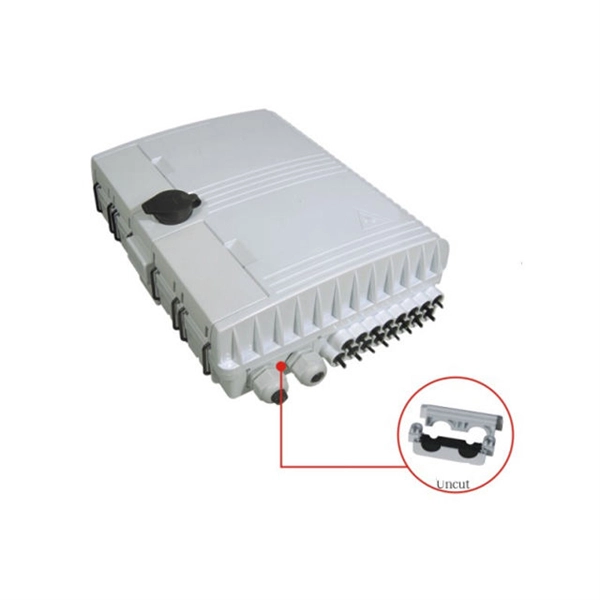
Fiber Splice Boxes | Amphenol Network Solutions
Fiber splice boxes from Amphenol Network Solutions are designed for splice-only applications. They are suited for optical cable splice collection points for DAS, MTU and MDU.
OPGW Cables: What Are They and Why Power Grids Need Them
1. Introduction to OPGW Cables: Defining the Dual-Purpose Solution OPGW cable, short for Optical Ground Wire or Optical Fiber Composite Overhead Ground Wire, represents a
Fiber Optic Pigtails: Uses & Differences from Patch Cords
Understand fiber optic pigtails — definition, types, and how they differ from patch cords. Learn why pigtails ensure reliable, low-loss fiber terminations.
Everything you need to know about fiber optic termination
Different connectors and splice termination procedures are used for singlemode and multimode connectors, so make sure you know what the fiber will be before you
ODF: Optical Distribution Frame
ODF, or Optical Distribution Frame, is a high-capacity, high-density frame used for fiber optic cable connection, distribution, dispatch, and management.
Structured Cabling Installation | Fiber Optic Splicing | Protek Fiber
Protek Fiber offers high-tech Fiber Optic Installation, Structured Cabling and Wiring Solutions, with services across MD and DC, WV and VA.
Fiber Patch Panels: A Beginner''s Guide | RLH Industries, Inc.
Fiber optic patch panels are enclosures that act as a distribution hub for fiber cable. A bulk (multi-strand) fiber cable enters the patch panel and then each fiber strand is separated into individual strands or
Fiber Optic Cable and Splice Closure Solutions | Corning
RocketRibbon® Cable and 2178-XL Closures Our Fiber Optic Splice Closure 2178 family is ideal for our RocketRibbon® and SST-Ribbon™ cables. The solution
Related Video Reference
This video was associated with the source search result. Verify technical details against current product documentation and project requirements.