DOLPHIN FIBERNetwork equipment for Africa Send a project enquiry
Fiber network equipment / Technical library Optical reference library

Power Distribution Principles for Distribution Boxes and Circuits

Jump to a section
Source context

AI source overview

Power distribution systems deliver electricity safely and efficiently from substations to end users through transformers, distribution boxes, circuits, and protective devices.

Overview of Power Distribution

Power distribution is the process of taking electricity from high-voltage transmission lines and delivering it to end users at usable voltages. Distribution networks typically operate at medium to low voltages, ranging from 600 V to 35 kV for primary circuits, and step down to 120/240 V for residential or low-voltage secondary circuits. Distribution substations serve as nodal points where voltage is reduced via transformers and routed through primary distribution lines to various circuits.

Distribution Boxes and Circuits

Distribution boxes (or panelboards) are central points where electricity is divided into multiple circuits. They contain: Circuit breakers: Automatically interrupt current flow during overloads or short circuits to protect wiring and equipment. Switchgear: Includes switches, relays, and control devices that allow operators to isolate circuits, perform maintenance, and restore service safely.

Fuses: Provide overcurrent protection for individual circuits, preventing damage to wiring and connected devices. Circuits are categorized as: Primary distribution circuits: Medium-voltage lines that carry electricity from substations to distribution transformers. Secondary circuits: Low-voltage lines that deliver electricity from transformers to end users, often routed through distribution boxes.

Voltage Regulation and Power Quality

Maintaining stable voltage is critical. Voltage regulators correct for voltage drops along distribution lines, ensuring end users receive consistent power. Harmonic filters reduce distortions caused by non-linear loads, improving power quality.

Power factor correction devices, such as capacitors, reduce reactive power flow, enhancing efficiency and reducing losses.

Protection and Reliability

Distribution systems are designed for safety and reliability: Overcurrent protection: Circuit breakers and fuses prevent damage from excessive current. Selectivity: Ensures only the affected circuit is disconnected during a fault, minimizing service interruptions. Redundancy and network configuration: Loop or mesh designs provide alternate paths for electricity, improving reliability.

Integration of distributed energy resources (DERs): Local generation and storage, such as solar panels and batteries, enhance reliability and reduce load on central lines.

Design Considerations

When designing distribution boxes and circuits: Load analysis: Determine connected loads, demand factors, and future expansion to size transformers and conductors appropriately. Voltage levels: Higher voltages reduce current for the same power, minimizing conductor size and losses. Transformer efficiency: Modern transformers achieve 98–99% efficiency at full load; proper sizing reduces energy losses and improves power quality.

Safety and compliance: Follow standards for protective devices, grounding, and insulation to ensure safe operation.

Summary

Power distribution principles for distribution boxes and circuits focus on efficient voltage transformation, safe circuit protection, reliable power delivery, and quality management. Proper design and maintenance of transformers, breakers, switchgear, and circuits ensure that electricity reaches end users safely, efficiently, and with minimal downtime.

Research context

Reference summary

Electrical Power Distribution System: Basics,Components, TypesDistribution systems are structured to evenly distribute electrical demand across multiple fe.

From reference to enquiry

Questions for your project

Use these editorial prompts alongside the linked excerpts. They identify items to confirm for your project.

Detailed reading / connection to installation

Fiber infrastructure reference
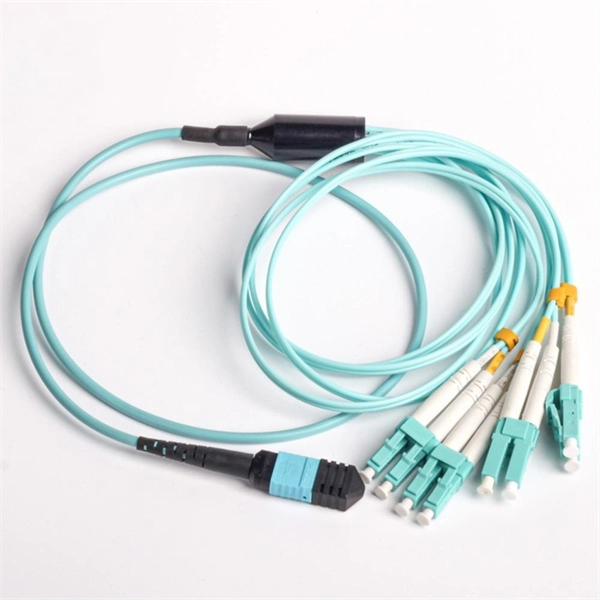
Power Distribution Principles for Distribution Boxes and Circuits
Equipment illustration / verify against the selected product
Electrical Power Distribution System: Basics,Components, Types

Distribution systems are structured to evenly distribute electrical demand across multiple feeders and substations. This prevents excessive stress on transformers and supply points, helping

Power Distribution Systems

This section delves into the major components of AC power distribution systems, including distribution lines, distribution transformers, circuit breakers and

How It Works: Electric Transmission & Distribution and Protective

Exhibit 1 provides an overview of this supply chain. The focus of this primer is on the transmission and distribution segments: the power lines, substations, and other infrastructure needed to move power

Introduction to Power Distribution Systems

Electric power distribution is the portion of the power delivery infrastructure that takes the electricity from the highly meshed, high-voltage transmission circuits and delivers it to customers. Some also think of

Electrical Power Distribution Systems: Key Concepts and Fundamentals

Explore the basic ideas and principles of electrical power distribution systems. See overview of how electrical energy is distributed from producers to consumers, what it comprises as

Distribution Box and Selection Guide: Internal Structure, Components

Learn how to choose a distribution box and understand its internal structure, including MCBs, busbars, neutral bars, earth bars, RCDs, RCBOs, SPDs, enclosure ratings, and wiring layout.

Electrical Distribution Principles and Applications

This course provides a practical foundation in AC electrical theory and its application to utility distribution systems, with a focus on three-phase power, load characteristics, and circuit calculations.

Power Distribution Systems: A Comprehensive Guide -

Discover the importance of power distribution in modern electrical systems. Learn how it ensures efficient and reliable electricity delivery from power plants to end-users.

Planning of Electric Power Distribution

This comprises software tools and support for planning and configuring as well as a perfectly harmonized, complete portfolio of products and systems for integrated power distribution, ranging

Fundamentals of electrical distribution systems | EEP

There are three types of electrical distribution systems: radial, loop and network. The type used by the utility company depends on the services required.

Basics of power system design

The various categories of buildings have many specific design challenges, but certain basic principles are common to all. Such principles, if followed, will provide a soundly executed design. The basic

The essentials of electrical distribution systems every

Electrical distribution systems are an essential part of the electrical power system. In order to transfer electrical power from an alternating current (AC)

How Does a Power Distribution Box Work

Learn how a power distribution box works step by step—from incoming power to circuit protection and smart monitoring—for safe, efficient electricity delivery.

Wiring of the Distribution Board with RCD (Single Phase Home Supply)

Wiring Accessories for Single Phase Distribution Board Main Distribution Board or Fuse Boards (Consumer Unit) usually contains on the following three main units to control and distribute electric

Guide to Electrical Power Distribution Systems

Written by a highly regarded power industry expert, this comprehensive manual covers in full detail all aspects of electric power distribution systems, both as they exist today and as they are evolving

Power Distribution Boxes Explained Simply

A power distribution box plays a vital role in any electrical system. It receives electricity from the main supply and distributes it safely to various

How to Design Power Distribution Systems: 6 Principles

Learn how to design power distribution systems that deliver reliable and efficient electrical energy. Discover six key design principles and how they can improve your projects.

Distribution Box: Types and Functions | Axis-Electricals

– Break up the power supply into sub-circuits depending on the purpose for it. – Ensure that everyone and everything is safe against short circuits. – Distribute power to different areas from the main

Specify your fiber equipment

Share the fiber interfaces, termination capacity, cable route and evidence required for handover.

Send a project brief