
What Are The Main Materials Used In Distribution Boxes
Search optical fiber, connectivity, cable management and network infrastructure references.
-
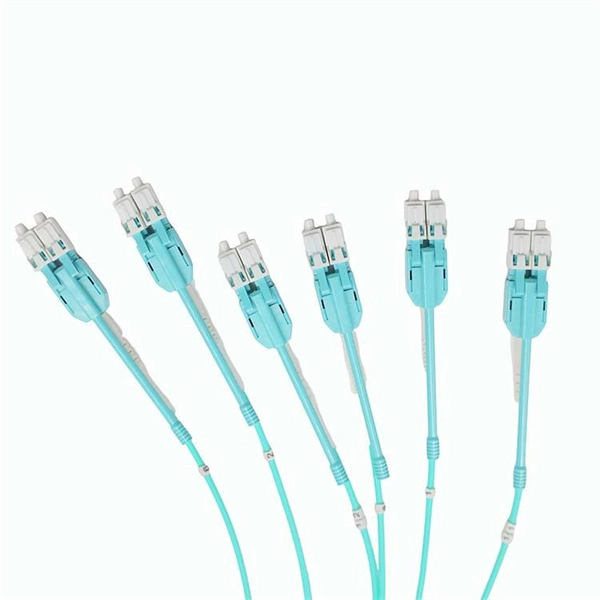
What are the materials used for open-air cable trays
The choice of construction material depends heavily on the installation environment, with common options including galvanized steel, aluminum, and fiberglass. Galvanized steel is the standard for general industrial use, offering high strength and corrosion resistance due to...
-
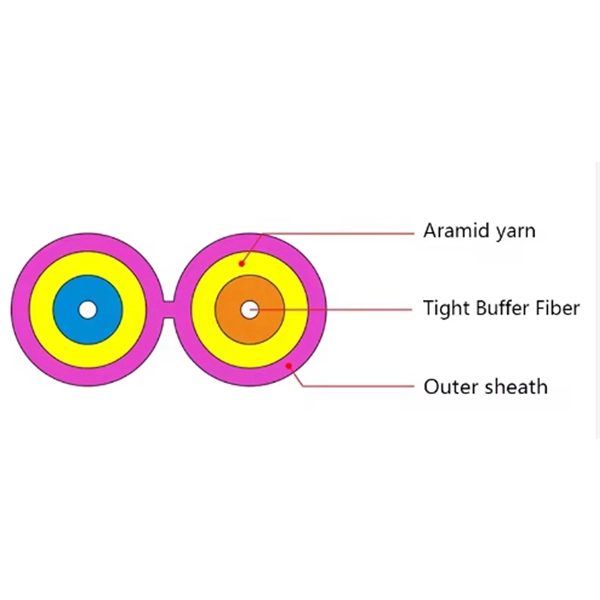
What are the materials used for optical cable clamps
Fiber optic cable clamps can be made of various materials, including plastic, metal, and rubber. Plastic. ADSS Anchor Tension Clamps are hardware fittings used to securely terminate and anchor ADSS fiber optic cables on poles or towers without damaging the cable. Our cable...
-
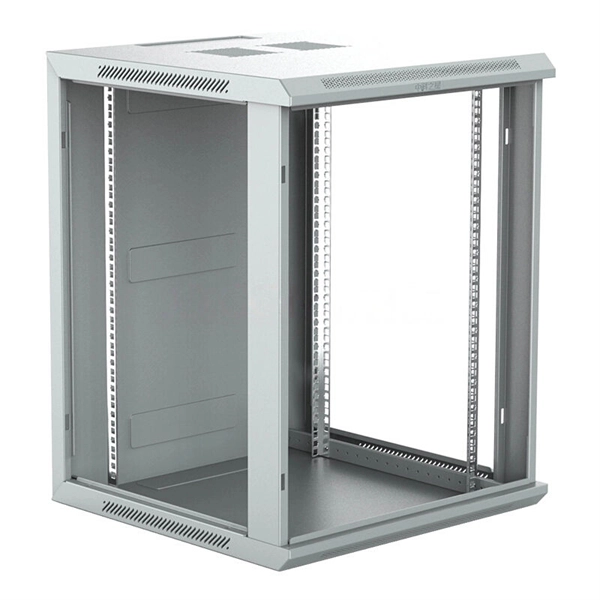
What materials are used to waterproof distribution boxes
Key design points include high-quality materials like ABS plastic, aluminum, and stainless steel that resist corrosion and UV degradation. Effective sealing with gaskets and RTV silicone enhances moisture barriers, while slopes and drainage features prevent water...
[PDF Version]
-
What materials are used in optical modules
The Most Comprehensive Guide Of Optical ModulesExplore the ultimate guide to optical modules. Learn types, functions, performance metrics & how to choose t.
[PDF Version]
-

What types of materials are used for mesh cable trays
Cable Tray vs Ladder vs Wire Mesh: Selection GuideChoose galvanised steel or stainless for durability; aluminium for light weight; and FRP where corrosion.
[PDF Version]
-
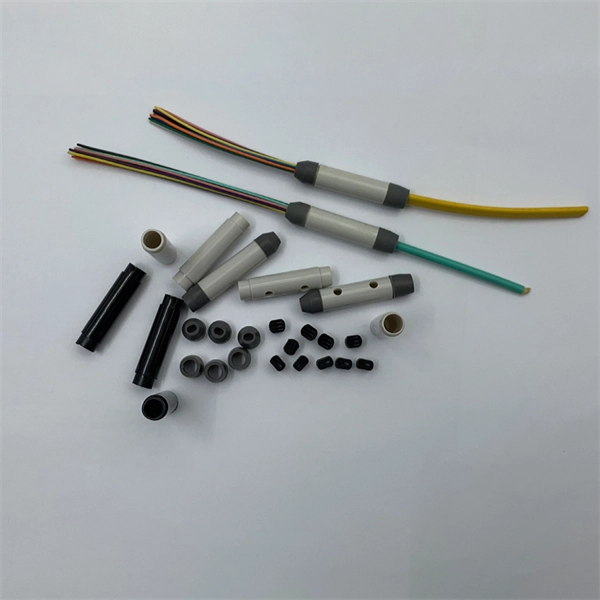
What connection mode should be used for fiber optic pigtails
5/125 micron or 50/125-micron multimode fiber optic cables and terminate with multimode connectors at one end. Executive Summary: A fiber optic pigtail is one of the most commonly specified yet least understood components in structured cabling. Get the wrong connector type...
[PDF Version]
-

What amplifier is used for wavelength division multiplexing
Erbium-doped optical fiber amplifiers (EDFAs) provide an efficient wideband amplification for the C-band, Raman amplification adds a mechanism for amplification in the L-band. For CWDM, wideband optical amplification is not available, limiting the optical spans to several...
[PDF Version]