
What Are Long Span Cable Trays
Search optical fiber, connectivity, cable management and network infrastructure references.
-
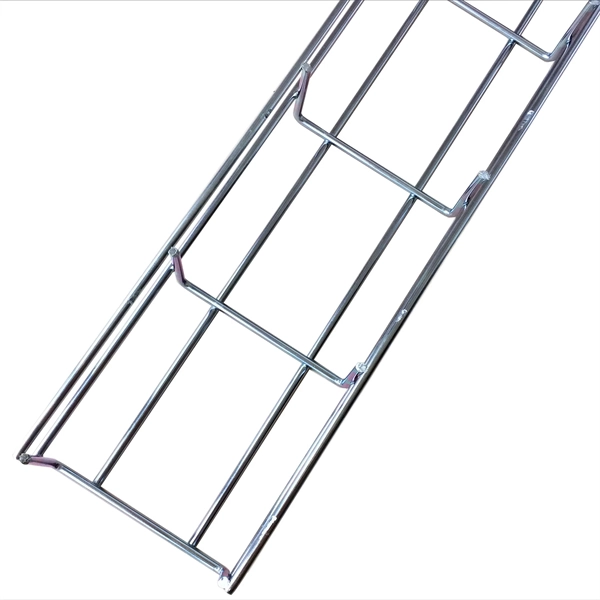
What is the span of fiberglass cable trays in the United States
Typical span distances for fiberglass cable ladder trays range between 1. 5 m and 3 m, depending on tray width, side rail height, and load conditions. For fiberglass cable trays, proper span spacing ensures structural stability, prevents tray deflection, and maintains safe...
[PDF Version]
-
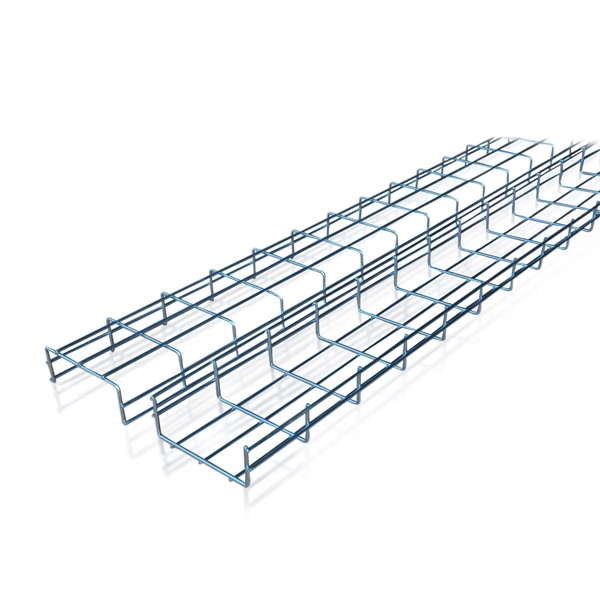
What are the materials used for open-air cable trays
The choice of construction material depends heavily on the installation environment, with common options including galvanized steel, aluminum, and fiberglass. Galvanized steel is the standard for general industrial use, offering high strength and corrosion resistance due to...
-
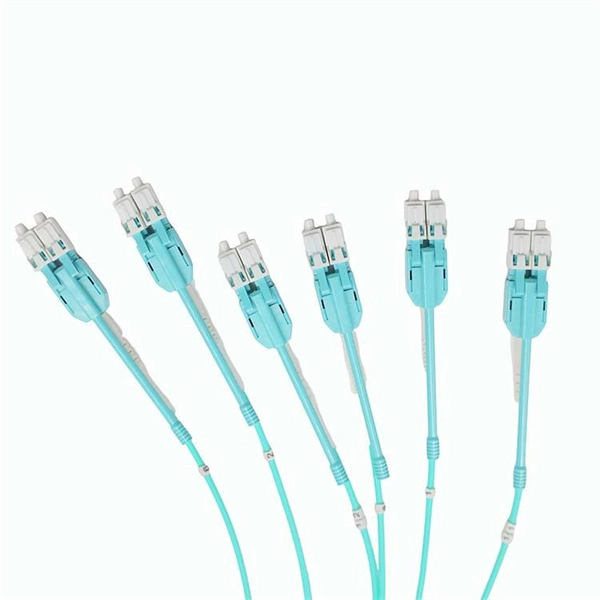
What does xd represent for cable trays
EDGE™ Solutions are high-density pre-terminated optical cabling solutions offering industry-leading connector density. The Extreme Density ribbon-pigtailed housings are designed for speed of deployment. The mechanical and electrical characteristics, tests, certifications...
[PDF Version]
-
What corrosion protection should be used for cable trays in substations
FRP cable trays are lighter, corrosion resistant, and non-conductive, while steel trays rust and corrode in harsh environments. By selecting the proper material based on the level of corrosion risk, businesses can avoid costly maintenance and ensure the long-term stability of...
[PDF Version]
-
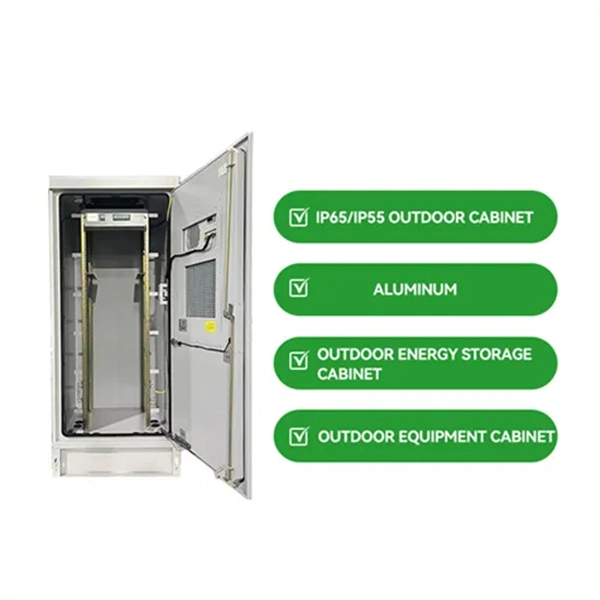
What material are the cable trays used for wiring in the basement made of
The cable trays consist of a thin metallic plate and electro-welded steel rods. Their construction is based on the international standard IEC 61537, which specifies the requirements for cable tray systems, tests, and specifications. What is Cable Tray? A cable tray is a unit...
-
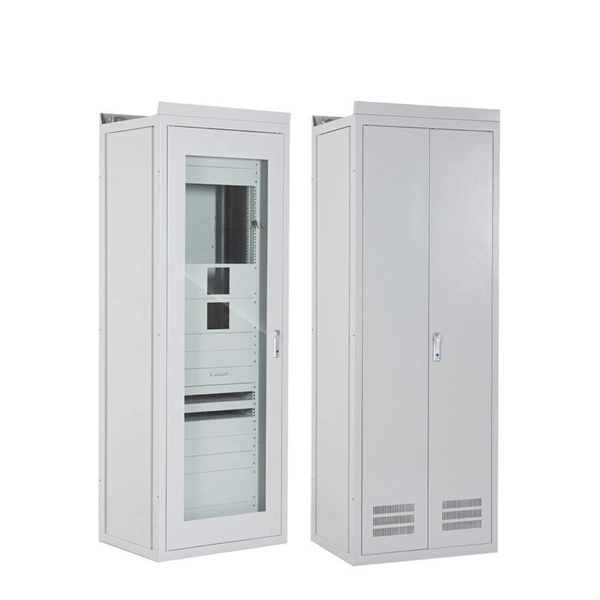
What parts are galvanized cable trays used for
Cable trays provide an organized pathway for routing and supporting electrical power cables, data cables, control wiring, and fiber optics across ceilings, walls, and elevated structures. They replace traditional conduit systems by offering easier access for installation...
[PDF Version]
-
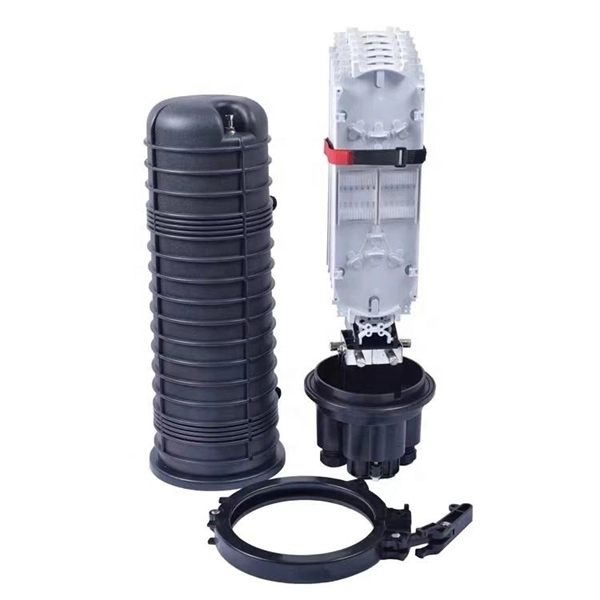
What is used for binding cables in vertical cable trays
Drop-Outs: Allow cables to exit the tray vertically to connect to equipment below. Cable Tray Supports: These include trapeze hangers, center-span supports, and wall brackets that anchor the entire system to the building structure (ceiling, wall, or floor). This method is...
[PDF Version]
-
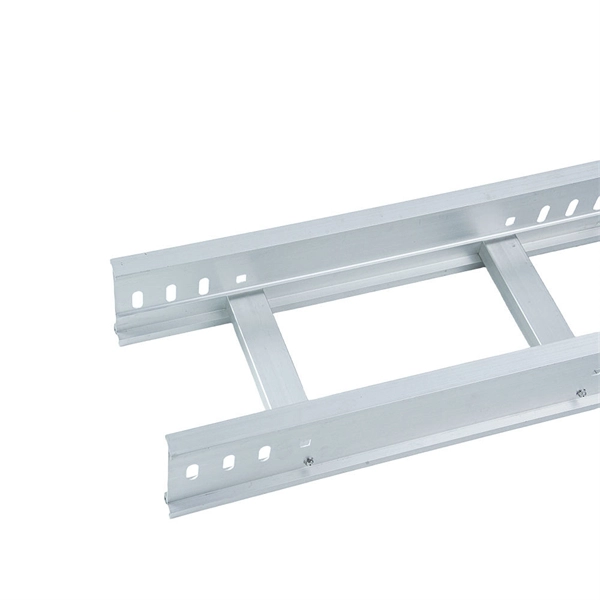
Extending the span of cable trays
Extending an existing wire mesh basket or cable tray system is much easier than it sounds. In most cases, all you need is the right connectors, a plan for your routing, and a few essential accessories like tray bends, risers or dividers. The mechanical and electrical...
[PDF Version]
More from the technical library
- High-voltage power-off switch in distribution box
- Burial depth of optical fiber and network cable
- Optical cable installation is divided into several procedures
- Cable tray thickness specification standard
- Construction distance of power and data cable trays
- Which configuration is best for QSFP optical module anti-tracking
- Procurement of Low-Voltage Integrated Distribution Boxes