
Wavelength Division Multiplexer Market
Search optical fiber, connectivity, cable management and network infrastructure references.
-
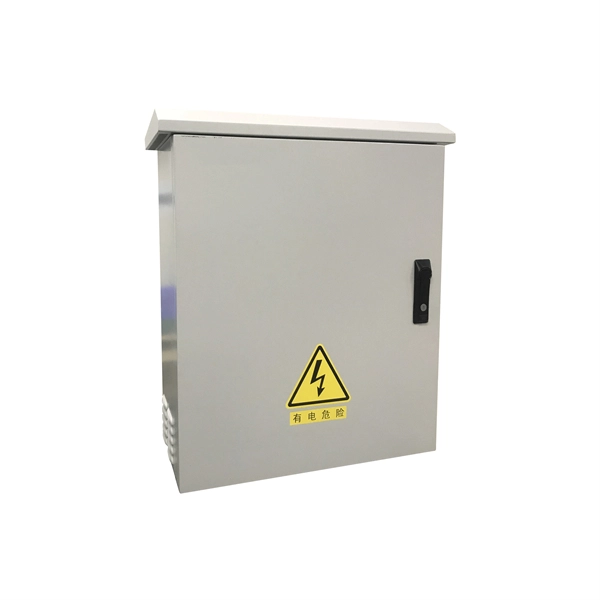
Optical Wavelength Division Multiplexer Production
Optical receivers, in contrast to laser sources, tend to be wideband devices. Therefore, the demultiplexer must provide the wavelength selectivity of the receiver in the WDM system. WDM systems are divided into three different wavelength patterns: normal (WDM), coarse (CWDM)...
[PDF Version]
-
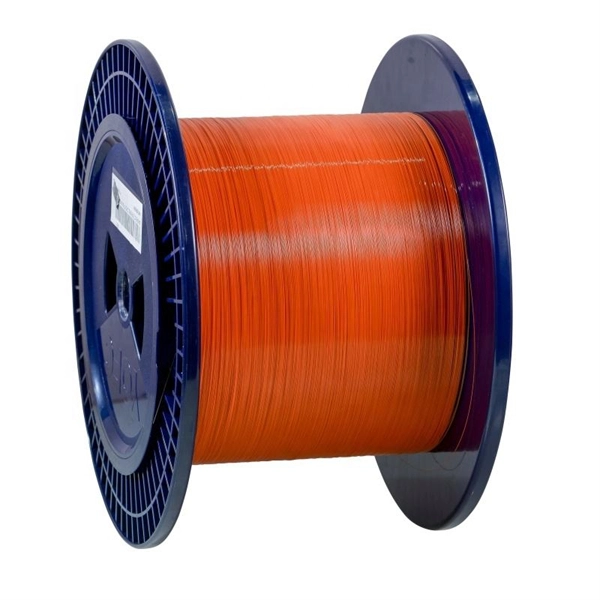
Wavelength division multiplexer for sale
Explore a wide range of our Wavelength Division Multiplexer selection. Find top brands, exclusive offers, and unbeatable prices on eBay. Thorlabs' WDMs featured on this page are manufactured using Fused Biconic Taper (FBT) technology and are designed for common NIR and...
[PDF Version]
-
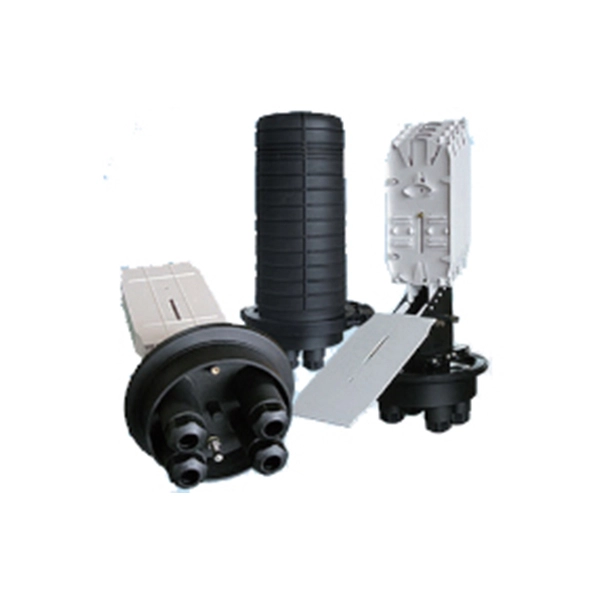
Internal Working Principle of Wavelength Division Multiplexer
Wavelength division multiplexing (WDM) is a technology that combines two or more optical carrier signals of different wavelengths (carrying various information) at the transmitting end through a multiplexer (also called a combiner, Multiplexer) and couples them to the same...
[PDF Version]
-
Israel s private power grid AWG wavelength division multiplexer anti-tracking
This technique enables bidirectional communications over a single strand of fiber (also called wavelength-division duplexing) as well as multiplication of capacity.OverviewIn, wavelength-division multiplexing (WDM) is a technology which a number of signals onto a single by...
-
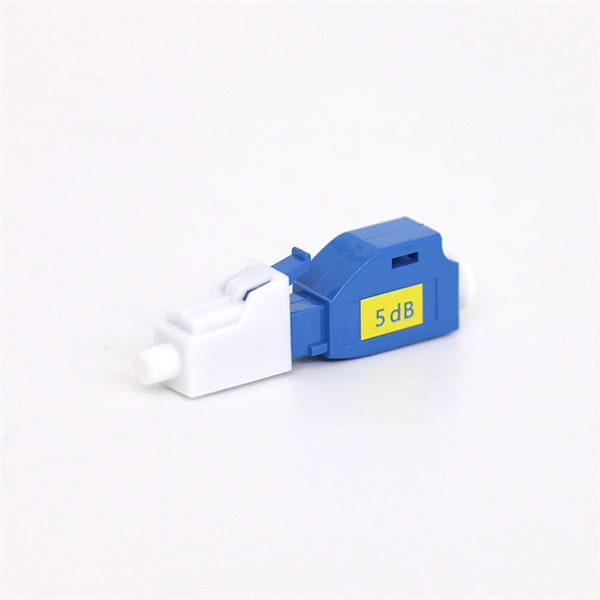
What does the COM port of a wavelength division multiplexer mean
COM stands for Common Port, and it's the main interface for signal input or output in a WDM module. In MUX (Multiplexer) mode, the COM port outputs a combined optical signal composed of multiple wavelengths. This technique enables bidirectional communications over a. CWDM...
-
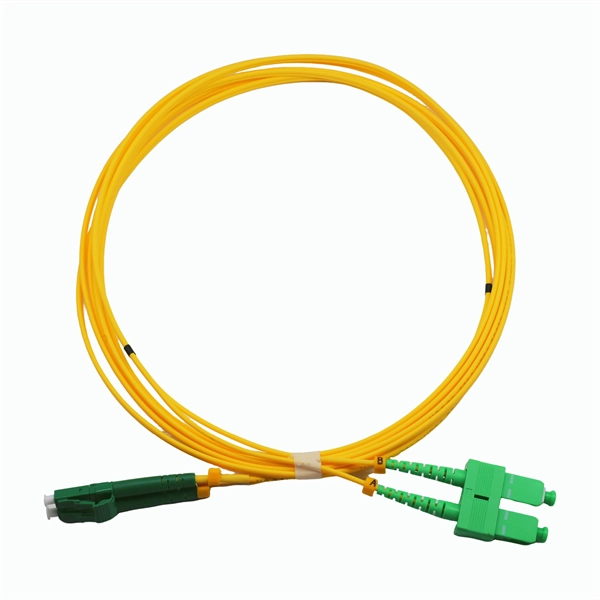
Function of Passive Wavelength Division Multiplexer
Wavelength Division Multiplexing Wavelength division multiplexing is a multiplexing technique working in the wavelength domain. It is commonly used in the.
[PDF Version]
-

What amplifier is used for wavelength division multiplexing
Erbium-doped optical fiber amplifiers (EDFAs) provide an efficient wideband amplification for the C-band, Raman amplification adds a mechanism for amplification in the L-band. For CWDM, wideband optical amplification is not available, limiting the optical spans to several...
[PDF Version]
-
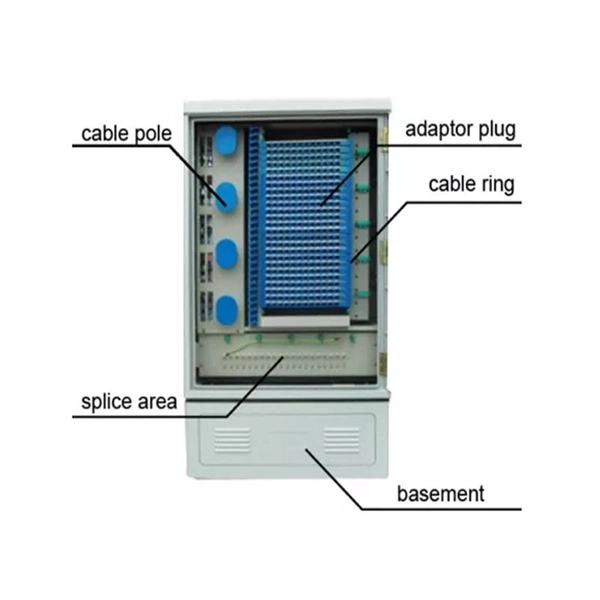
Wavelength Division Multiplexing Demultiplexing Fiber
Wavelength Division Multiplexing (WDM) stands out as a cornerstone, enabling multiple data streams to travel simultaneously over a single fiber. This guide delves into the principles, types, applications, and future trends of WDM. WDM allows communication in both the...
-
Optical Circulator Wavelength Division Multiplexing
Normal WDM (sometimes called BWDM) uses the two normal wavelengths 1310 and 1550 nm on one fiber. Dense WDM (DWDM) uses the C-Band (1530 nm-1565 nm) transmission window but with denser. In fiber-optic communications, wavelength-division multiplexing (WDM) is a technology...
[PDF Version]